
UNFCCC COP Explorer
Welcome to our brand new ClimaTalk COP Explorer. This tool helps you navigate UNFCCC COPs. It covers a timeline of key negotiation streams since the Paris Agreement (COP21), a dictionary with the ABCs of COPs you need to know and our publications over the years since COP26 when we started our coverage – ranging from articles, to factsheets, policy debriefs and entire youth guides.
Please note that this tool is in beta and we are working to continuously improve it. If you notice anything missing or any errors, or have any suggestions, please reach out to us at cop[at]climatalk.org and we’ll be very happy to hear from you.
COP timeline
Global Mutirão #
Parties agree to a new “global mutirao” decision for off-agenda topics.
Parties agree to a new “global mutirao” decision for off-agenda topics. The text acts like a cover decision for adaptation finance, trade, transparency and ambition. It calls on countries to triple adaptation finance by 2030 and commits to tackling climate change, biodiversity loss, and ocean degradation in a synergistic way.
Fossil-fuel phase out #
The COP30 Presidency promises to bring forward a roadmap on transitioning away from fossil fuels to present at COP31.
Group of Parties sign a statement committing to phase out fossil fuels. The Santa Marta Conference announced to discuss phase out in April 2026. The COP30 Presidency promises to bring forward a roadmap on transitioning away from fossil fuels to present at COP31.
Fund for Responding to Loss and Damage (FRLD) #
The fund officially launches its first open call for proposals from developing nations.
FRLD officially launches its first open call for proposals from developing nations. The process, called “Barbados implementation modalities”, will distribute 250 million USD in total, to nations who apply for grants. The final text links FRLD to the New Collective Quantified Goal on Climate Finance (NCQG) launched at COP29.
Further reading
Warsaw International Mechanism and Santiago Network Reports #
Warsaw International Mechanism and Santiago Network Reports are noted.
Warsaw International Mechanism and Santiago Network Reports are noted, rather than welcomed. The final text does not include reference to ICJ advisory opinion in favour of climate reparations.
Global Goal on Adaptation #
Final text includes annex of 59 of the 100 indicators that could have been included. It lays out two-year programme to further refine indicators and develop guidance for operationalisation.
Final text includes annex of 59 of the 100 indicators that could have been included. It lays out two-year programme to further refine indicators and develop guidance for operationalisation.
Further reading
Adaptation Finance #
Global Mutirao decision calls on countries to triple adaptation finance by 2030. Call is not a binding commitment.
Global Mutirao decision calls on countries to triple adaptation finance by 2030. Call is not a binding commitment.
National Adaptation Plan #
Parties request Least Developed Countries Expert Group to submit a report on finance flows for SBI 65.
Parties request Least Developed Countries Expert Group to submit a report on finance flows for SBI 65. The Adaptation Committee is called on to solve the “gaps and needs referred to” in the Secretariat’s 2024 NAP synthesis report.
Mitigation Work Programme #
Parties invite private actors to support the Sharm el-Sheikh work programme including the Green Climate Fund and Council of the Global Environment Facility.
Parties invite private actors to support the Sharm el-Sheikh work programme including the Green Climate Fund and Council of the Global Environment Facility.
Blue Package Roadmap #
Parties introduce a roadmap for scaling up ocean-based climate solutions.
Parties introduce a roadmap for scaling up ocean-based climate solutions.
Roadmap commits to scaling up the Blue Finance Window, the dedicated mechanism for funding ocean-based climate solutions. One Ocean Partnership will mobilise 20 billion USD in the Regenerative Blue Economy. The Roadmap also commits to restoring and conserving 20 million square kilometres of coastal and marine area, and 20 million hectares of critical blue ecosystems.
Further reading
Blue NDC Challenge #
An initiative encouraging nations to integrate ocean measures into their climate pledges. Brazil and France launch the Challenge together before COP31, 6 countries join during negotiations. 90% of new NDCs from coastal and island countries include ocean-based climate action.
Belém “call to action” to protect rainforests #
Call put forward by Gabon and France, parties pledged to raise over 2.5 billion USD for protecting rainforests in the Congo Basin over the next 5 years.
Indigenous community land rights #
35 governments and philanthropic organisations collectively pledge 1.8 billion USD to secure land rights for indigenous communities.
Tropical Forest Forever Facility #
Parties establish new global fund to compensate tropical countries for conserving and protecting rainforests.
Parties establish new global fund to compensate tropical countries for conserving and protecting rainforests through sovereign and private investment. 20% of funds are earmarked for indigenous groups. The fund reaches over 7 billion USD in pledges.
Further reading
Just Transition Work Programme #
Parties create a Just Transition Mechanism.
Parties create a new Just Transition Mechanism. The new mechanism will be a platform to help countries transition while protecting workers and communities. The final decision on the JTWD removed all references to trade.
New Collective Quantified Goal on Climate Finance #
Parties commit to mobilising at least 300 billion USD in annual funding for developing nations by 2035.
Parties commit to mobilising at least 300 billion USD in annual funding for developing nations by 2035.
Further reading
Baku to Belém Roadmap to 1.3 Trillion #
COP29 and COP30 Presidents launch collective call to accelerate global mobilization of climate finance.
COP29 and COP30 Presidents launch collective call to accelerate global mobilization of climate finance. Parties agree to mobilise 1.3 trillion USD per year by 2035 towards developing countries. Roadmap includes shift towards grants, concessional finance and debt sustainability.
Further reading
Sharm el-Sheikh joint work programme #
Talks on climate action on agriculture and food security continue. Parties leave negotiations to resume at the 2026 Bonn climate talks.
Sharm el-Sheikh joint work on the implementation of climate action on agriculture and food security (SJWA). Parties leave negotiations to resume at SB64.
Further reading
New Methane Partnership #
Private Actors launch partnership to accelerate Methane Emission Reductions across agriculture, energy and waste sectors in developing countries.
Long-term global goal review #
Parties commence reviewing the UN climate regime’s long-term goals for the third time.
Parties commence reviewing the UN climate regime’s long-term goals for the third time. The periodic review is supposed to reconsider temperature goals. Parties agree to continue discussions at COP30.
Response Measures #
Parties agreed to establish a four-year work plan discussing response measures.
Parties agreed to establish a four-year work plan discussing response measures. They agree that the work plan will discuss the cross-border impacts of trade measures.
Third Review of the Warsaw International Mechanism #
Parties did not agree on a decision on the Warsaw International Mechanism review.
Parties agreed to produce a single decision text combined with the WIM review. Negotiations end with no text.
Further reading
Loss and Damage Fund #
Parties sign key documents to enable fund distribution from 2025. Pledges total $759 million USD by the end of COP.
Parties sign key documents to enable fund distribution from 2025. Pledges total $759 million USD by the end of COP.
UAE framework adopted #
New framework to guide national efforts adopted under GGA.
New framework to guide national efforts adopted under GGA.
Global Goal on Adaptation text adopted #
The GGA text launches the Baku Adaptation Roadmap.
The GGA text launches the Baku Adaptation Roadmap. Text includes a reference to “Means of Implementation”.
National Adaptation Plans #
Parties push discussion of national adaptation plans to be concluded in Bonn.
Parties push discussion of national adaptation plans to be concluded in Bonn.
Global Stocktake excluded #
All references to the global stocktake outcomes are removed from the final text of the mitigation work programme.
All references to the global stocktake outcomes are removed from the final text of the mitigation work programme.
Mitigation Work Programme #
Negotiations hit a deadlock in the second week. A MWP deal is adopted that commits to “continued discussions” without any other commitments.
Negotiations hit a deadlock in the second week. A MWP deal is adopted that commits to “continued discussions” without any other commitments.
Last thematic day dedicated to nature #
High-level event on forests on final day.
High-level event on forests on final day.
New commitments to fight deforestation from UK #
Commitments will fund programmes under Indigenous peoples’ and local communities’ forest tenure pledge. £50 million is committed over 10 years to reduce illegal logging, and £94 million to promote forest communities’ involvement in Amazon governance.
Just Transition Work Programme #
Just Transition Work Programme hits deadlock due to draft language. COP29 ends with no text.
Just Transition Work Programme hits deadlock due to draft language. COP29 ends with no text.
Gender Action Plan #
Parties agree to extend GAP’s mandate by 10 years.
Parties agree to extend GAP’s mandate by 10 years. Parties disagree on whether gender negotiations should take place under Paris Agreement. Final text fails to include references to intersectionality or diversity, and Paris Agreement language is bracketed.
New Collective Quantified Goal on Climate Finance #
COP29 Launches “New Collective Quantified Goal on Climate Finance” (NCQG), based on the Paris Agreement.
COP29 Launches “New Collective Quantified Goal on Climate Finance” (NCQG), based on the Paris Agreement. It increases previous goal from 100 billion to 300 billion USD raised by developed countries, for developing countries.
Includes future “voluntary” inputs from nations classed as developing like China.
NCQG final text does not commit to covering loss and damage.
Further reading
Article 6 Carbon Markets #
Parties operationalise Article 6 in full.
Parties finalise rules governing country-to-country trading in carbon credits. Parties also establish a new international carbon market: Paris Agreement Crediting Mechanism (PACM). Article 6 is now fully operationalised for the first time.
1st Global Stocktake #
Conclusion of the 1st Global Stocktake of the Paris Agreement.
Conclusion of the 1st Global Stocktake of the Paris Agreement. A draft of the global stocktake text is adopted. The text contains language on transitioning away from fossil fuels for the first time ever; Articles 33, 35, 55 of Global Stocktake GST invite parties to scale up ocean-based actions.
Fund for Responding to Loss and Damage (FRLD) #
The FRLD launches during the COP opening session. Developed countries provide initial financial pledges.
The FRLD launches during the COP opening session. Parties create a 26-person board, mainly from developing countries, to manage the fund.
The fund is established as an independent entity, but housed in the World Bank. Developed countries provide initial financial pledges.
Santiago Network #
Parties agree that Santiago Network will be a consortium of the UNDRR and UNOPS.
Parties agree that Santiago Network will be a consortium of the UNDRR and UNOPS.
Global Goal on Adaptation (GGA) #
Parties fail to set quantifiable targets or mention finance in final GGA text.
Several themes agreed to be covered by the GGA framework but Parties fail to set quantifiable targets or mention finance in final GGA text. They agree to engage in a two-year work programme to discuss adaptation indicators, rather than add GGA to next agenda.
Sharm el-Sheikh Work Programme #
New MWP co-facilitators appointed.
New MWP co-facilitators appointed after 10 days of stalled negotiations focusing on procedural matters and divergent views on the mandate of the MWP. The final text lacks substantive conclusions or a reference to 1.5 degree goal.
Joint Statement on Climate, Nature and People #
The Statement is co-launched by COP28 Presidency and COP15 biodiversity presidency. Parties pledge to submit NDCs that align with NBSAPs (national nature plans).
China joins the High Ambition Coalition for Nature and People #
High Ambition Coalition for Nature and People is 118 nations pledging to protect 30% of Earth by 2030.
Just Transition work programme #
First Just Transition work programme high-level ministerial round table.
First Just Transition work programme high-level ministerial round table. Participants prepare the work programme’s activities for next five years. Final text references human rights and labour rights for the first time in UNFCCC history.
Oil and Gas Decarbonisation Charter #
50 fossil fuel companies and Saudi Arabia launch a pledge to align with net zero by 2050.
Sharm el-Sheikh joint work on agriculture and food security #
No decision on how to implement the SSJW commitments from COP27.
COP28 Presidency and EU president co-launch global pledge on renewables and energy efficiency #
Initiative aims to double global rate of energy efficiency improvements and triple renewable capacity by 2030.
Action for Climate Empowerment (ACE) #
ACE promotes climate education and action among the general public.
Parties agree on new four-year plan for Action on Climate Empowerment.
Plan commits to short-term activities to implement Glasgow work programme priorities.
Sharm el-Sheikh implementation plan #
Parties agree an overarching cover decision. Countries asked to revisit and strengthen their 2030 climate targets. Plan's text highlights financial need for at least 4-6 trillion USD per year.
Parties agree an overarching cover decision.
Plan requests countries to revisit and strengthen their 2030 climate targets.
Highlights financial need for at least 4-6 trillion USD per year to transition to “low-carbon economy”.
Nature explicitly mentioned in the COP27 cover decision text.
Fund for Responding to Loss and Damage #
Parties agree to set up the FRLD, a dedicated financial mechanism to support vulnerable nations.
First time it was on the official agenda.
The sources of finance were not agreed upon.
Parties agree to set up the FRLD, a dedicated financial mechanism to support vulnerable nations.
First time it was on the official agenda.
The sources of finance were not agreed upon.
Santiago Network for Loss and Damage #
Parties agree on institutional arrangements to fully operationalise the Santiago Network.
Parties agree on institutional arrangements to fully operationalise the Santiago Network.
Adaptation #
Continued work on defining the GGA. Sharm el-sheikh adaptation agenda launched.
Continued work on defining the GGA, with parties agreeing to create a framework to deliver to the goal and track progress.
The Standing Committee on Finance was requested to prepare a report on doubling adaptation finance.
Sharm el-sheikh adaptation agenda launched.
Sharm el-sheikh Mitigation Work Programme #
Parties agreed on establishing a new MWP to catalyse the rate of emissions reductions.
Parties agreed on establishing a new MWP to catalyse the rate of emissions reductions with a loose scope and no mandate to set targets through a ‘non-prescriptive approach’.
The first of a series of ‘annual ministerial roundtables’ was organised where historic country positions were reiterated, with developing countries emphasising CBDR.
No mention of stronger commitments in final text.
Sharm el-Sheikh joint work on agriculture and food security (SSJW) #
Parties agree to create the SSJW.
SSJW is the only formal UNFCCC workstream to address agriculture and food systems.
Replaces the Koronivia joint work for agriculture.
Parties agree to create the SSJW.
SSJW is the only formal UNFCCC workstream to address agriculture and food systems.
Replaces the Koronivia joint work for agriculture.
Ocean Dialogue #
Limited progress strengthening future ocean dialogues in the preamble of the Sharm el-sheikh implementation plan formalising this dialogue.
Parties agreed that appointed co-facilitators can choose the topics up for discussion.
Further reading
Action for Climate Empowerment #
ACE refers to six action elements set out in Paris Agreement, promoting public climate education and participation.
Glasgow work programme on ACE agreed.
ACE refers to six action elements set out in Paris Agreement, promoting public climate education and participation.
Parties agree on priority areas: policy coherence, coordinated action, tools and support, and monitoring, evaluation and reporting.
Glasgow Dialogue on Loss and Damage #
Proposal to create “Glasgow Loss and Damage Finance Facility” is blocked.
The Glasgow Dialogue is an alternative to discuss finance arrangements.
Proposal to create “Glasgow Loss and Damage Finance Facility” blocked.
Instead the COP offers the Glasgow Dialogue as an alternative to discuss finance arrangements.
Dialogues were mandated events producing no outcome text.
Global Goal for Adaptation #
Parties begin the Global Goal on Adaptation work programme.
Parties begin the Global Goal on Adaptation work programme.
Two-year UN climate initiative established to guide initial work - the Glasgow-Sharm el-Sheikh work programme.
Adaptation finance #
A call for developed country parties to at least double adaptation finance by 2025 ($40bn by 2025).
Record level pledges for the adaptation fund.
A call for developed country parties to at least double adaptation finance by 2025 ($40bn by 2025).
Record level pledges for the adaptation fund.
Article 6 #
Parties agreed on the rules governing Article 6 carbon markets.
Parties agreed to establish a supervisory body for Article 6.4.
Parties agreed on the rules governing Article 6 carbon markets.
Parties agreed to establish a supervisory body for Article 6.4.
Further technical work will continue.
Parties agreed to carryover some carbon credits under the Kyoto Protocol.
Further reading
Deforestation pledges #
Glasgow Leader’s Declaration on Forests and Land Use signed by more than 130 countries to halt and reverse deforestation and land degradation by 2030.
Glasgow Climate Pact #
Contains text on protecting biodiversity in the preamble and in the operational text on protecting, conserving and restoring nature and ecosystems to achieve the 1.5 goal.
Response measures #
Parties discussed how to implement the six year workplan.
Parties discussed how to implement the six year workplan.
Parties agreed to organise a two day workshop at SB62 to help implement the WP.
Parties recognise the link between just transition and financial flows in the final decision.
Fossil fuel phase-out #
Group of nations pledge to phase out “unabated coal power”.
“Powering Past Coal Alliance” is founded: Group of nations pledge to phase out “unabated coal power”.
Beyond Oil and Gas Alliance also launched.
Koronivia Joint work on agriculture #
Koronivia joint work on agriculture roadmap was scheduled to conclude at COP26 with discussions on a future work programme.
Parties disagreed on what a post-Koronivia process looked like.
KJWA roadmap was scheduled to conclude at COP26 with discussions on a future work programme.
Parties disagreed on what a post-Koronivia process looked like.
Further reading
Loss and Damage #
The G77 argued for a standing agenda item on loss and damage beyond WIM reports for vulnerable countries to receive support.
The G77 argued for a standing agenda item on loss and damage beyond WIM reports for vulnerable countries to receive support.
Developed countries disagreed on this matter.
Warsaw International Mechanism #
Parties agree to review the Warsaw International Mechanism every five years.
Parties agree to review the Warsaw International Mechanism every five years. Santiago Network was established under the WIM to provide technical support vulnerable developing countries to address loss and damage.
Adaptation #
No major outcome for adaptation. Final decision text called for countries to continue developing National Adaptation Plans and greater adaptation finance.
Article 6 #
Article 6 is the last piece of the Paris playbook to be agreed upon.
Article 6 is the last piece of the Paris playbook to be agreed upon.
Parties unable to agree on the rules governing carbon markets, particularly around article 6.4 on the modalities and procedures underpinning international carbon markets to avoid double-counting. Decision deferred to COP26.
Further reading
Oceans #
Oceans were a priority thematic area for the Chilean COP presidency.
Oceans were a priority thematic area for the Chilean COP presidency with 39 countries committing to include oceans in future NDCs during the second week.
As part of the Chile Madrid Time for Action there was a request to convene an Ocean Dialogue at SB52 the following year.
COP cover decision text (CTAM) #
Has text on a ‘just transition of the workforce’ in light of social unrest in Chile (COP25 Presidency) and other countries.
Has text on a ‘just transition of the workforce’ in light of social unrest in Chile (COP25 Presidency) and other countries.
Response Measures #
Parties agreed on a work plan for the Katowice Committee of Experts on the Impacts of the Implementation of Response Measures (KCI) to promote a just transition.
Parties agreed on a work plan for the Katowice Committee of Experts on the Impacts of the Implementation of Response Measures (KCI) to promote a just transition.
Koronivia Joint work on agriculture #
A 3 year WP consisting of workshops related to agriculture and climate change.
A 3 year WP consisting of workshops related to agriculture and climate change.
Lack of substantial decision outcomes on this topic with negotiations ending after the first week of COP.
Global Stocktake Structure #
Parties negotiate the core structure of the Global Stocktake (GST).
Goal of GST is to periodically take stock of progress towards Paris Agreement Goals.
Parties negotiate the core structure of the GST.
Goal of GST is to periodically take stock of progress towards Paris Agreement Goals.
Parties commit to sharing information on how the GST outcomes inform their NDCs.
Further reading
Concluded negotiations on the Paris 'rulebook' #
COP24 finalises a “Katowice climate package” to decide the details of implementation.
In 2015, Parties had set a deadline to complete negotiations on how to implement the Paris Agreement of COP24.
COP24 finalises a “Katowice climate package” to decide the details of implementation.
Loss and Damage #
Loss and damage was recognised as a component of the “global stocktake”.
Loss and damage was recognised as a component of the “global stocktake”.
Further reading
Decision on Adaptation Fund and Paris Agreement #
Parties decide that the Adaptation Fund shall serve the Paris Agreement from 1 Jan 2019.
Parties decide that the Adaptation Fund shall serve the Paris Agreement from 1 Jan 2019.
Carbon Offsets #
Parties decide carbon offset cancellation should be voluntary.
Parties decide carbon offset cancellation should be voluntary.
Negotiations on Article 6 conclude with a 'voluntary cancellation' of CO2 offsets although early drafts proposed automatic cancellation of up to 30% of generated offsets.
Ocean Pathway Partnership Stakeholder Discussion #
A year on from its launch, the Ocean Pathway Partnership engages stakeholders to discuss the ocean and climate, inspired by COP23’s Talanoa Dialogue.
A year on from its launch, the Ocean Pathway Partnership engages stakeholders to discuss the ocean and climate, inspired by COP23’s Talanoa Dialogue.
Katowice Ministerial Declaration on Forests for the Climate #
Poland released the Katowice Ministerial Declaration on Forests for the Climate, seeking to raise awareness of their role as systems that absorb and store carbon and to encourage countries to protect forests.
Poland released the Katowice Ministerial Declaration on Forests for the Climate, seeking to raise awareness of their role as carbon sinks and to encourage UNFCCC parties to protect forests.
Further reading
Response Measures #
COP24 creates an expert committee to support climate action in achieving a fair transition for workers and communities.
COP24 creates the Katowice Committee of Experts on the Impacts of the Implementation of Response Measures (KCI) as a UNFCCC body, designed to support climate mitigation measures in achieving a just transition.
Further reading
Indigenous People’s Platform #
New working Group set up as part of Indigenous People’s Platform. COP24 requests that a new facilitative working group be set up, to meet for the first time at COP25.
Group is not a negotiating body under the Convention.
New working Group set up as part of Indigenous People’s Platform. COP24 requests that a new facilitative working group be set up, to meet for the first time at COP25.
Group is not a negotiating body under the Convention.
Loss and Damage #
G77 calls for a standing agenda item on loss and damage beyond the WIM.
G77 calls for a standing agenda item on loss and damage beyond the WIM.
Suva expert dialogue #
The Suva expert dialogue promoted knowledge-sharing on similar issues. This included topics such as loss and damage, finance, and capacity-building.
The Suva expert dialogue promoted knowledge-sharing on similar issues. This included topics such as loss and damage, finance, and capacity-building.
Adaptation Fund enters Paris Agreement #
Parties agree that the Adaptation Fund “shall” serve the Paris Agreement (subject to decisions to be taken at CMA 1-3).
Parties agree that the Adaptation Fund “shall” serve the Paris Agreement (subject to decisions to be taken at CMA 1-3). More than $90m in new pledges to the Adaptation Fund.
Parties publish their views on NDC accounting #
The COP23 co-chairs released a 180-page document summarising parties’ views.
The COP23 co-chairs released a 180-page document summarising parties’ views.
Further reading
Ocean Pathway Initiative launches; Inclusion of ocean in NDCs #
The Initiative is aimed at promoting the inclusion of the ocean within Parties’ Nationally Determined Contributions, and further action in priority areas impacting ocean change.
The Initiative is aimed at promoting the inclusion of the ocean within Parties’ Nationally Determined Contributions, and further action in priority areas impacting ocean change. Part of the Initiative, the Pathway Partnership promotes collaboration on the Initiative, between Parties and stakeholders. The Partnership is co-chaired by Fiji and Sweden.
“Because the Ocean” declaration continues to grow.
COP23 hosts “Forests Day” #
Forests Day at COP23 comprised various discussions regarding the role of forest ecosystems in climate action.
Forests Day at COP23 comprised various discussions regarding the role of forest ecosystems in climate action, the need for considering local and indigenous communities, and concern being expressed over emissions resulting from deforestation.
Sessions are dedicated to discussing how to finance adaptation and mitigation projects in forest landscapes - including $500 million USD from the Green Climate Fund over the 2017-2022 period.
Private actors - including corporations like Mars and Walmart - launch new policy initiatives to reduce deforestation in their supply chains.
Local Communities and Indigenous Peoples’ Platform #
Parties discuss the Local Communities and Indigenous Peoples’ Platform. Parties agree on the goal of the platform: “to strengthen the knowledge, technologies, practices and efforts of local communities and indigenous peoples” and enhance their engagement.
Parties discuss the Local Communities and Indigenous Peoples’ Platform.
Parties agree on the goal of the platform: “to strengthen the knowledge, technologies, practices and efforts of local communities and indigenous peoples” and enhance their engagement.
Stakeholders participate in a dialogue co-chaired by indigenous representative and SBSTA Chair.
Gender Action Plan #
COP23 launches the Gender Action Plan, as created under the Lima work programme on gender.
COP23 launches the Gender Action Plan, as created under the Lima work programme on gender. Plan sets out timeline for five priority areas of gender-responsive climate action.
First Climate Justice Day #
COP22 hosts the first Climate Justice Day discussing human rights and how to better integrate them into UNFCCC processes.
COP22 hosts the first Climate Justice Day discussing human rights and how to better integrate them into UNFCCC processes.
Further reading
Marrakech Action Proclamation #
Marrakech Action Proclamation calls for greater support for those most vulnerable to climate change.
Marrakech Action Proclamation calls for greater support for those most vulnerable to climate change.
Local Communities and Indigenous Peoples’ Platform #
Process begins of building the local communities and indigenous peoples platform.
COP22’s outcome report requests the Chair of the SBSTA to initiate the progress of developing the platform.
Parties are invited to submit their views on how the platform should function.
Forest Action Day #
COP22 convenes Forest Action Day: “Conserve, Mitigate, Finance”.
COP22 convenes Forest Action Day: “Conserve, Mitigate, Finance”.
Parties announce initiatives to conserve forests and improve their management as part of the event.
“Because the Ocean” Declaration #
Parties sign a Second “Because the Ocean” Declaration.
Parties sign a Second “Because the Ocean” Declaration calling upon all UNFCCC parties to include issues relating to the ocean and climate within their Nationally Determined Contributions.
Roadmap to Ocean and Climate Action #
COP22 launches the “Roadmap to Ocean and Climate Action” (ROCA), a five-year plan for integrating the role of the ocean into the work of the UNFCCC.
COP22 launches the “Roadmap to Ocean and Climate Action” (ROCA), a five-year plan for integrating the role of the ocean into the work of the UNFCCC and its parties.
The Roadmap proposes actions and policy recommendations, spanning 2016-2021.
Further reading
Adaptation Fund #
Adaptation Fund surpasses its 2016 target of US$ 80 million thanks to Party pledges.
Adaptation Fund surpasses its 2016 target of US$ 80 million thanks to Party pledges.
Warsaw International Mechanism for Loss and Damage #
Parties review the Warsaw International Mechanism for Loss and Damage associated with Climate Change Impacts, agree to review again every five years.
Parties review the Warsaw International Mechanism for Loss and Damage associated with Climate Change Impacts, agree to review again every five years.
Paris Agreement #
Adopted by 196 Parties, the Paris Agreement sets out long-term global temperature goals: well below 2 °C, ideally 1.5 °C.
Adopted by 196 Parties, the Paris Agreement sets out long-term global temperature goals: well below 2 °C, ideally 1.5 °C.
The treaty also legally binds Parties to reviewing and reporting their own national emissions targets.
Further reading
Loss and Damage #
Loss and Damage
COP21 recognised loss and damage as a separate concept to adaptation for the first time.
Loss and Damage
COP21 recognised loss and damage as a separate concept to adaptation for the first time.
Further reading
Warsaw International Mechanism (WIM) #
Parties formally endorsed the Warsaw International Mechanism (WIM), which was set up in 2013, and asked the WIM to create a task force for L&D response measures.
Adaptation #
Article 7 of the Paris Agreement establishes a global goal on adaptation, and recognises it as a global challenge faced by all.
Article 7 of the Paris Agreement establishes a global goal on adaptation, and recognises it as a global challenge faced by all.
Parties agree to engage in adaptation planning processes, including creating and implementing national adaptation plans (NAPs).
Further reading
Creation of Nationally Determined Contributions (NDC) #
“Intended nationally determined contributions”, which are non-binding, voluntary pledges by countries, are replaced with national climate plans under the Paris Agreement.
“Intended nationally determined contributions”, which are non-binding, voluntary pledges by countries, are replaced with NDCs. These are also non-binding, and countries decide their own terms - but they must show progressively more “ambitious efforts” towards the Paris temperature goals.
Further reading
mitigation #
Paris Agreement establishes a mitigation mechanism.
Paris Agreement establishes a mitigation mechanism.
Parties create mechanisms allowing countries to trade emissions reductions globally, and commit to “non-market-based” cooperation.
Recital 13 of Paris Agreement #
Paris Agreement reaffirms commitments to conservation of all ecosystems.
Recital 13 of Paris Agreement notes that climate action must incorporate the protection of all ecosystems, including the ocean and its biodiversity.
Article 5 reaffirms parties’ commitments to the conservation and the restoration of both terrestrial and aquatic ecosystems, first made under Article 4, Paragraph 1(d) of the UNFCCC.
Further reading
Because the Ocean Initiative #
23 Countries launch the Because the Ocean Initiative.
23 Countries launch the Because the Ocean Initiative.
Initiative and subsequent declaration backs a new Special IPCC Report on the ocean and a high-level UN conference dedicated to Oceans.
Oceans Day #
COP21 hosts fourth Oceans Day.
COP21 hosts fourth Oceans Day.
Article 5 #
Officially recognises forests and biodiversity’s role in emissions reduction.
In Article 5 of the Paris Agreement Parties affirm their commitments to protecting and restoring ecosystems, particularly forests.
Parties recognise their role as carbon sinks, a detail missing from the Kyoto Protocol.
Reducing Emissions from Deforestation and Forest Degradation (REDD+) framework #
Countries commit money to reducing deforestation and protecting forests, building on a framework first established at COP13 in 2007.
Parties commit money towards the Reducing Emissions from Deforestation and forest Degradation (REDD+) framework, first established at COP13 in 2007.
Further reading
Human rights #
Human rights and justice recognised as linked to climate action.
The Preamble to the Paris Agreement encourages UNFCCC parties to consider the importance of human rights as a component of climate action. It notes the centrality of climate justice to the fight against climate change, although it caveats this as being important only to “some”.
Further reading
Action for Climate Empowerment (ACE) #
Refers to work under Article 6 of the Convention and Article 12 of the Paris Agreement. The goal of ACE is to empower all members of society to engage in climate action, through climate change education and public awareness, training, public participation, public access to information, and international cooperation.
Further reading
Adaptation #
Actions to address the impacts of climate change. This includes building flood defenses, creating drought-resistant crops, and developing early warning systems for extreme weather events.
Further reading
Annex I Parties #
A group of countries listed in Annex I of the UNFCCC, including industrialised countries and economies in transition. These countries are expected to take the lead in reducing greenhouse gas emissions.
Further reading
Annex II Parties #
A subset of Annex I countries that consist of OECD member countries, but not the Economies in Transition. Annex II have a specific obligation to provide financial resources and technology transfers to support developing countries. Funding by Annex II countries is channelled mostly through the Convention’s financial mechanism.
Further reading
Annual Greenhouse Gas Index (AGGI) #
Tracks the increasing amount of heat being added to the atmosphere by human-related greenhouse gas (GHG) emissions. The total direct heating influence in a given year is compared to conditions in 1990, the benchmark year used for the Kyoto Protocol.
Further reading
Article 2 of the Paris Agreement #
Article 2 sets three goals: keep global warming well below 2°C and try to limit it to 1.5°C; help countries adapt to the impacts they can't avoid; and shift public and private finances away from high-carbon activities and towards clean, climate-resilient ones. It also says countries pursue these goals fairly, recognising that they don't all start from the same place.
Further reading
Article 6 of the Paris Agreement #
Article 6 lets countries help each other cut emissions and count it towards their own climate targets. If one country pays for emission cuts in another, the two must agree who gets to count the reduction, so the same tonne isn't claimed twice. It covers three routes: direct deals between two countries, a UN-supervised system for issuing carbon credits, and cooperation that doesn't involve trading at all, such as sharing policy or technology.
Further reading
Biennial Transparency Report (BTR) #
Introduced under the Paris Agreement's Enhanced Transparency Framework, BTRs replace the former biennial reports and biennial update reports. All Parties submit BTRs every two years, reporting on GHG inventories, NDC progress, climate finance, and adaptation actions
Further reading
Blue Zone #
The Blue Zone is a UNFCCC managed site, open to accredited party and observer delegates. Formal negotiations are held in the Blue Zone. It also accommodates the Leaders’ Summit, the country pavilions, presidency events, and hundreds of side events including panel discussions, round tables, and cultural events.
Further reading
Bridgetown Initiative #
A reform agenda led by Barbados' Prime Minister Mia Mottley, launched in 2022. It calls for an overhaul of the international financial system so it can better address climate change and the development needs of vulnerable countries. Proposals include reforming multilateral development banks, adding disaster clauses that pause debt repayments, and preventing developing countries from falling into debt crises when repeated disasters push up their borrowing.
Further reading
Carbon Budgets #
The total amount of carbon dioxide (CO2) the world can emit while still staying within the 1.5°-2°C temperature limit. The IPCC regularly publishes updated estimates of the remaining carbon budget.
Further reading
Carbon Credits / Carbon Offsets #
Certificates representing the reduction or removal of one tonne of CO₂ (or equivalent) from the atmosphere. They can be traded on carbon markets and allow entities to compensate for their emissions by funding mitigation activities elsewhere.
Further reading
Carbon Neutrality / Net Zero #
If the balance between the amount of carbon dioxide (CO₂) emitted and the amount removed from the atmosphere is zero.
Further reading
Carbon Trading #
A market-based mechanism for controlling pollution by providing economic incentives for achieving reductions in the emissions of pollutants. The main form is the trading of greenhouse gas emission allowances. Article 6 of the Paris Agreement governs international carbon market cooperation.
Climate Finance #
Involves directly funding or financially investing in processes that tackle climate change. The UNFCCC’s Standing Committee on Finance defines climate finance as 'finance that aims at reducing emissions, enhancing sinks of greenhouse gases, reducing vulnerability of, and maintaining and increasing the resilience of human and ecological systems to negative climate change impacts.'
Further reading
Climate Justice #
Climate justice recognises that climate change disproportionately affects marginalised groups and strives for justice through equitable climate policies, such as including young people among those most vulnerable to climate change. Climate justice lays the foundation for a sustainable future through intersectionality.
Further reading
Common but Differentiated Responsibilities and Respective Capabilities (CBDR-RC) #
A principle recognising that all countries are responsible for addressing climate change, but their levels of responsibility and capability differ.
Conference of the Parties (COP) #
Annual meeting of the UNFCCC parties’ delegates. The delegates review the convention’s implementation and make the necessary plans to ensure their continued implementation. Today, there are 198 Parties to the Convention, which evaluate the impacts of measures introduced to limit climate change.
Further reading
Conference of Youth (COY) #
Annual meeting held the week before COP by the youth constituency of the UNFCCC (YOUNGO) to prepare the youth delegations for COP, to build youth networks, and to provide capacity-building. It is organised by youth and for youth around the world.
Further reading
Consultative Group of Experts (CGE) #
The main channel for the provision of technical assistance and support to developing countries in fulfilling their reporting requirements. This refers to measurement, reporting, and verification (MRV) under the Convention and the enhanced transparency framework (ETF) under Article 13 of the Paris Agreement. The CGE is composed of 27 experts from different regions and international organisations.
Further reading
Decarbonisation pathways #
Roadmaps of transformational processes that deliver long-lasting and permanent emissions reductions. According to The Climate Group, they 'start with a government’s long-term greenhouse gas emissions reduction goal and then work backwards to identify the technologies, infrastructure and investments required to achieve it.'
Further reading
Decision text #
Formal agreements or conclusions reached through negotiations during UNFCCC meetings. These texts detail commitments, plans, and actions that countries agree to undertake.
Further reading
Emissions #
In the context of climate change, emissions are the act of releasing greenhouse gases (GHGs) into the atmosphere. GHGs include carbon dioxide and methane, and it is possible to measure the amount of emissions attributed to different products or activities.
Further reading
Enhanced Transparency Framework (ETF) #
Established under Article 13 of the Paris Agreement, the ETF replaced the previous dual-track transparency system with a single, more robust framework. All Parties submit Biennial Transparency Reports (BTRs) under the ETF, with some flexibility for developing countries.
Further reading
Fossil fuels #
Fossil fuels are a classification of hydrocarbons which are of biological origin and can be used as a source of energy, such as coal, natural gas, and crude oil. Upon combustion, these fuels create greenhouse gas emissions, the primary cause of climate change.
Further reading
Fund for Responding to Loss and Damage (FRLD) #
A dedicated fund established at COP27 (2022) and operationalised at COP28 (2023) to assist developing countries that are particularly vulnerable to the adverse effects of climate change. It provides finance for loss and damage that cannot be adapted to or mitigated.
Further reading
G77+China #
The largest negotiating bloc at the UNFCCC, which represents over 130 developing countries and China. G77 is very diverse but they often negotiate together to amplify their collective voice. It was initially founded with 77 members.
GEF #
GEF is a fund set up in 1991 to help developing countries tackle environmental problems, from climate change to biodiversity loss and pollution. It is one of the funds the UNFCCC uses to channel climate finance, and it also serves several other environmental treaties. It runs two climate-specific funds: the Least Developed Countries Fund (LDCF) and the Special Climate Change Fund (SCCF).
Further reading
Glasgow Climate Pact #
A range of agreed items at COP26, including strengthened efforts to build resilience to climate change, to curb greenhouse gas emissions and to provide the necessary finance for both. Nations reaffirmed their work to reduce the gap between existing emission reduction plans and what is required to reduce emissions. For the first time, they called for a phase down of unabated coal power and inefficient subsidies for fossil fuels.
Further reading
Global Goal on Adaptation (GGA) #
Established under Article 7 of the Paris Agreement, the GGA aims to enhance adaptive capacity, strengthen resilience, and reduce vulnerability to climate change.
Further reading
Global Stocktake (GST) #
Periodic assessment under the Paris Agreement, evaluating collective progress toward its goals.
Further reading
Green Climate Fund (GCF) #
A fund established within the framework of the UNFCCC to assist developing countries in adaptation and mitigation practices to counter climate change. It aims to mobilise funding from both public and private sources.
Further reading
Green Zone #
The Green Zone is a hub open to civil society organised by the COP host country with NGOs, businesses, youth, academics, and other communities coming together to showcase their commitment to climate action and a more sustainable future. The Green Zone is open to delegates and guests of the Blue Zone, Public and Private Sector, NGOs, and the General Public.
Further reading
Host Country #
The host country is the nation in which the COP of the year is held. The host country for COP31 (2026) is Türkiye, with Australia as President of Negotiations. The host country of the COP normally rotates among the five United Nations regional groups (Africa, Asia-Pacific, Eastern Europe, Latin American and the Caribbean, and Western European and Others), with regional group members determining which country from their region will host the conference.
Further reading
Intergovernmental Panel on Climate Change (IPCC) #
IPCC assesses science related to climate change and advances scientific knowledge and transparency about climate change caused by human activities. Through their research, they can determine the state of knowledge on climate change. Whilst regularly publishing reports tailored to the needs of different target groups, i.e. politicians or scientists, this international body of experts only recommends policy and doesn’t create policy.
Further reading
Internationally Transferred Mitigation Outcomes (ITMOs) #
Emission reductions transferred between countries under Article 6.2 of the Paris Agreement. When one country transfers an ITMO to another, it must apply a corresponding adjustment to avoid double-counting the reduction in both countries' NDC accounting.
Further reading
Just Transition #
Within the context of the UNFCCC, the term “Just Transition” was first mentioned in Decision 1/CP.16 where it was framed as, ‘A shared vision for long-term cooperative action’ and ‘economic and social consequences of response measures.'
Further reading
Kyoto Protocol #
Adopted at the third COP in 1997, the Kyoto Protocol sets binding targets for developed countries to reduce their greenhouse gas emissions below 1990 levels. By setting specific emission reduction targets to nations with historically high emissions, often referred to as Annex I parties, the international community tried to hold those accountable who were deemed most responsible for climate change. The United States never ratified the Protocol and Canada withdrew at a later stage. Other countries (e.g., Russia) also did not take on new targets in the second commitment period.
Further reading
Landlocked Developing Countries (LLDCs) #
The LLDCs are a negotiating bloc under the UNFCCC, composed of 32 countries, with a strong overlap with the LDC group. The objectives of the Group of LLDCs are to ensure that outcomes of UN climate change negotiations reflect the specific interests and priorities related to the members' landlocked nature and developing country status.
Least Developed Countries (LDCs) #
LDCs are low-income countries confronting severe structural impediments to sustainable development. They are highly vulnerable to economic and environmental shocks and have low levels of human assets. There are currently 44 countries on the list of LDCs.
Further reading
Least Developed Countries Fund (LDCF) #
A fund established under the UNFCCC in 2001, managed by the GEF, to support LDCs in preparing and implementing National Adaptation Programmes of Action (NAPAs) and National Adaptation Plans (NAPs).
Further reading
Long-term low emission development strategies (LT-LEDS) #
Article 4.19 of the Paris Agreement points out that it is necessary for countries to prepare and submit long-term climate strategies that carry through to mid-century or 2050 to the UNFCCC Secretariat. Strategies are important because they can help evaluate and demonstrate socio-economic benefits of the transition, strengthen and guide NDCs, help prevent fossil fuel-intensive investments, send clear green economic signals and facilitate a just transition, climate financing and institutional strengthening.
Further reading
Loss and Damage (L&D) #
The UNFCCC SBI relies on the following L&D working definition, “the actual and/or potential manifestation of impacts associated with climate change in developing countries that negatively affect human and natural systems.” Examples of these impacts include rising sea levels, extreme heat waves, ocean acidification, and species extinction. During COP27, a L&D Fund was decided to provide financial assistance to nations most affected by and vulnerable to the effects of climate change.
Further reading
Mitigation #
In a climate science context, the IPCC describes mitigation as “human intervention to reduce the sources or enhance the sinks of greenhouse gases.” In contrast to adaptation, mitigation reduces or prevents greenhouse gas emissions. This can include cleantech, renewable energy, retrofitted equipment, and changes in consumption behaviour.
Further reading
Mountains #
Mountains, with their rich biological and cultural diversity, play a crucial role in the livelihoods of millions of people. With climate change having a significant impact on these regions, access to context-specific knowledge is essential for mountainous countries to implement effective adaptation action. Preserving mountain landscapes and their ecological services is vital for climate resilience, disaster risk reduction, and the overall health of the planet.
National Adaptation Plans (NAPs) #
A process under the UNFCCC that enables countries to identify medium- and long-term adaptation needs and develop strategies to address them. NAPs are continuous, progressive, and country-driven.
Further reading
National Adaptation Programmes of Action (NAPAs) #
Under Article 4.9 of the UNFCCC, in 2001, the COP established the least developed countries (LDC) work programme, that included the national adaptation programmes of action (NAPAs), to support LDCs to address the challenge of climate change given their particular vulnerability.
Established: a Least Developed Countries Fund (LDCF) to fund the preparation and implementation of NAPAs and an LDC Expert Group (LEG) to provide technical support and advice to the LDCs.
Further reading
National Biodiversity Strategies and Action Plans (NBSAPs) #
Article 6 of the Convention on General Measures for Conservation and Sustainable Use states that each Contracting Party shall develop national strategies, plans or programmes for the conservation and sustainable use of biological diversity or adapt for this purpose existing strategies. Due to the synergies between NDCs, NAPs and NBSAPs, they are often viewed to have to be achieved together and for strategies to take note of each other.
Further reading
Nationally Determined Contributions (NDCs) #
NDCs are the climate actions of individual countries under the Paris Agreement. Each country outlines the actions it will take to reduce greenhouse gas emissions and enhance resilience to rising temperatures and submit them by 2020 and every five years thereafter.
Further reading
New Collective Quantified Goal on Climate Finance (NCQG) #
At COP15 in Copenhagen developed countries pledged to mobilise $100 billion per year by 2020. The New Collective Quantified Goal (NCQG) agreed at COP29 sets a new target of $300 billion per year by 2035. A new global climate finance goal meant to be adjusting climate finance to be more in line with the needs and priorities of developing countries.
Further reading
Non-Annex I Parties #
Countries not listed in Annex I of the UNFCCC, primarily developing countries. They are not subject to binding emission reduction targets under the original UNFCCC framework but are encouraged to engage in mitigation efforts and are supported in adaptation efforts.
Further reading
Non-Party Stakeholders and Observer Organisations #
Entities that participate in COP but are not Parties to the UNFCCC. They include intergovernmental organisations, NGOs, business and industry groups, local governments, research institutions, and youth organisations. They can attend sessions, make statements, and submit inputs, but cannot vote.
Further reading
Oceans #
The ocean is a vast carbon sink and vital oxygen source for the planet. Tourism and fisheries are economically significant human activities that are interrelated with ocean systems. However, the ocean is facing a multitude of challenges due to climate change and pollution, most notably ocean acidification, rising tides and temperatures, plastic pollution, and eutrophication.
Further reading
Paris Agreement #
The Paris Agreement is a legally binding international treaty designed to address climate change adaptation, mitigation, and financial aspects within the United Nations Framework Convention on Climate Change (UNFCCC). It aims to limit global warming to well below 2°C, ideally 1.5°C, compared to pre-industrial levels.
Further reading
Parties #
Countries (and regional economic organisations such as the EU) that have formally ratified the UNFCCC, the Kyoto Protocol, or the Paris Agreement. As of 2026, the UNFCCC has 198 Parties. Only Parties can vote on decisions. Observers may attend but not vote.
Further reading
Pre-COP #
Pre-COP is a preparatory meeting held before the Conference of Parties (COP) under the UNFCCC to discuss key political aspects of climate negotiations.
Further reading
Presidency #
The country hosting and chairing a COP holds the Presidency for that year. The COP President facilitates negotiations, manages procedural matters, and plays a key political role in brokering agreement on contested issues. For COP31, Türkiye is COP31 President, and Australia as the President of Negotiations.
Further reading
Quagmire of Climate Change Diplomacy #
Similar to a wicked problem, a quagmire refers to a complex problem that has no apparent solution and that attempts to solve it will have (un)intended repercussions. Applied to the context of climate change, this expression also describes the multiple socioeconomic factors influencing negotiations, which include the parties' political ambitions, diverse definitions of property, and ranging understandings of the concept of responsibility.
Further reading
Ratchet Mechanism #
Principle embedded in the Paris Agreement to guarantee that each successive round of NDCs must be more ambitious than the previous one. Countries are not legally required to meet their NDC targets, but they are required to submit new and more ambitious NDCs every five years.
Further reading
REDD+ #
“Reducing emissions from deforestation and forest degradation in developing countries,” is an international framework aimed to protect forests as part of the Paris Agreement. It financially rewards developing countries for reducing emissions from deforestation and forest degradation. REDD+ includes conservation, sustainable forest management, and enhancement of forest carbon stocks.
Further reading
Renewable energy #
Renewable energy refers to energy sources that are sustainable and do not deplete natural resources.
Further reading
Science-based targets #
Goals based on scientific research to reduce emissions and avoid the worst effects of climate change. In addition, they warn corporate players of their limited timeframe to act.
Further reading
Secretariat (UN Climate Change) #
The permanent administrative body that supports the UNFCCC, the Kyoto Protocol, and the Paris Agreement. Based in Bonn, Germany, the Secretariat organises COP and SB meetings, coordinates information flows, and provides technical and logistical support for negotiations.
Further reading
Shared Socioeconomic Pathways (SSPs) #
Modelled scenarios describing different global socioeconomic development paths, with each linked to a specific development approach. Climate change analysts use SSPs with demographics, urbanisation, GDP, and other factors to make forecasts that inform the public, including decision-makers, about climate change scenarios.
Further reading
Small Island Developing States (SIDS) #
SIDS are a group of 39 States and 18 Associate Members of United Nations regional commissions that face unique social, economic and environmental vulnerabilities. They are located in the Caribbean, the Pacific, and the Atlantic, Indian Ocean and South China Sea. Climate change induced hurricanes and slow onset events such as sea level rise pose an existential threat to small island communities, compounded by limited institutional capacity, scarce financial resources and a high degree of vulnerability to systemic shocks.
Further reading
Subsidiary Bodies (SB) #
Two permanent bodies established under the UNFCCC: Subsidiary Body for Scientific and Technological Advice (SBSTA) Subsidiary Body for Implementation (SBI). They meet twice a year, once in Bonn, Germany, to prepare for the COP meetings and to advise and assist the COP and, the other time, at COP itself.
Further reading
Subsidiary Body for Implementation (SBI) #
Assists the COP in assessing and reviewing the implementation of the UNFCCC and its protocols, including examining national communications and emissions inventories.
Further reading
Subsidiary Body for Scientific and Technological Advice (SBSTA) #
Subsidiary Body for Scientific and Technological Advice (SBSTA)
Provides scientific and technical advice on matters related to the UNFCCC, including research and systematic observation, technologies for mitigating and adapting to climate change, and methodological issues.
Further reading
Sustainable Development Goals (SDGs) #
17 goals established by the United Nations to improve the planet and people's well-being by 2030. Encompassing 169 specific targets, advertised during 3680 events, and discussed in 1347 publications, the SDGs are at the core of the UN's efforts towards sustainable development in the biosphere.
Further reading
Tipping point #
A critical threshold in the climate system beyond which a system changes, often abruptly and irreversibly. Examples include ice sheet loss, dieback of the Amazon rainforest, and the die-off of warm-water coral reefs.
Further reading
Tropical Forest Forever Facility (TFFF) #
A finance mechanism launched at COP30 in Belém, Brazil (2025). It aims to raise about USD 125 billion by using public sponsor capital to attract private investment. Returns are paid to tropical forest countries for each hectare of forest they keep standing, and at least 20% goes to Indigenous Peoples and local communities.
Further reading
United Nations Framework Convention on Climate Change (UNFCCC) #
The UNFCCC is an international treaty that seeks to address climate change by limiting global temperature increases and addressing its impacts. At the Rio Earth Summit in June 1992, 154 nations signed the UNFCCC. It drives international action in the fight of climate change. As of 2026, the UNFCCC has 198 Parties.
Further reading
Water crisis #
Exacerbated by climate change, it involves global scarcity, contamination, and unequal access to clean water, impacting communities, ecosystems, and economies worldwide. The Water Crisis is the focus of SDG 6. In 2010, the UN declared that access to clean water and sanitation is a human right.
Further reading
YOUNGO #
YOUNGO is composed of youth-led organisations and individuals under the age of 35, representing the official youth constituency of the UNFCCC and contributing to multilateral decision-making processes related to climate change.
Further reading
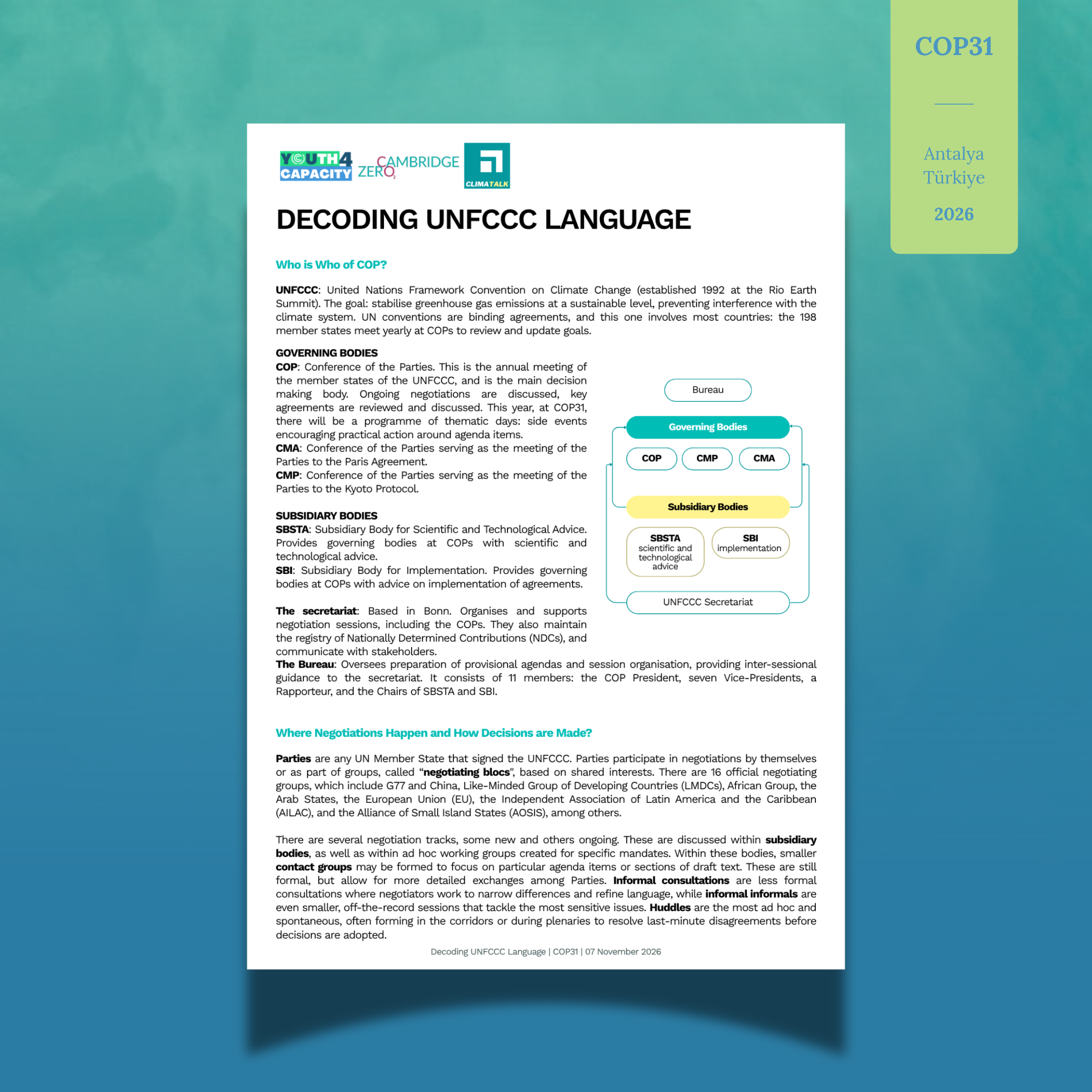
Decoding UNFCCC Language Guide (COP31)
Our updated guide on Decoding UNFCCC Language is now available for download and makes UNFCCC jargon accessible to young people at COP30 or tracking COP from home. It was developed by ClimaTalk and Cambridge Zero with for our co-hosted event “Decoding UNFCCC Language” on the ground on 09 November 2026, the first day of COP31,…
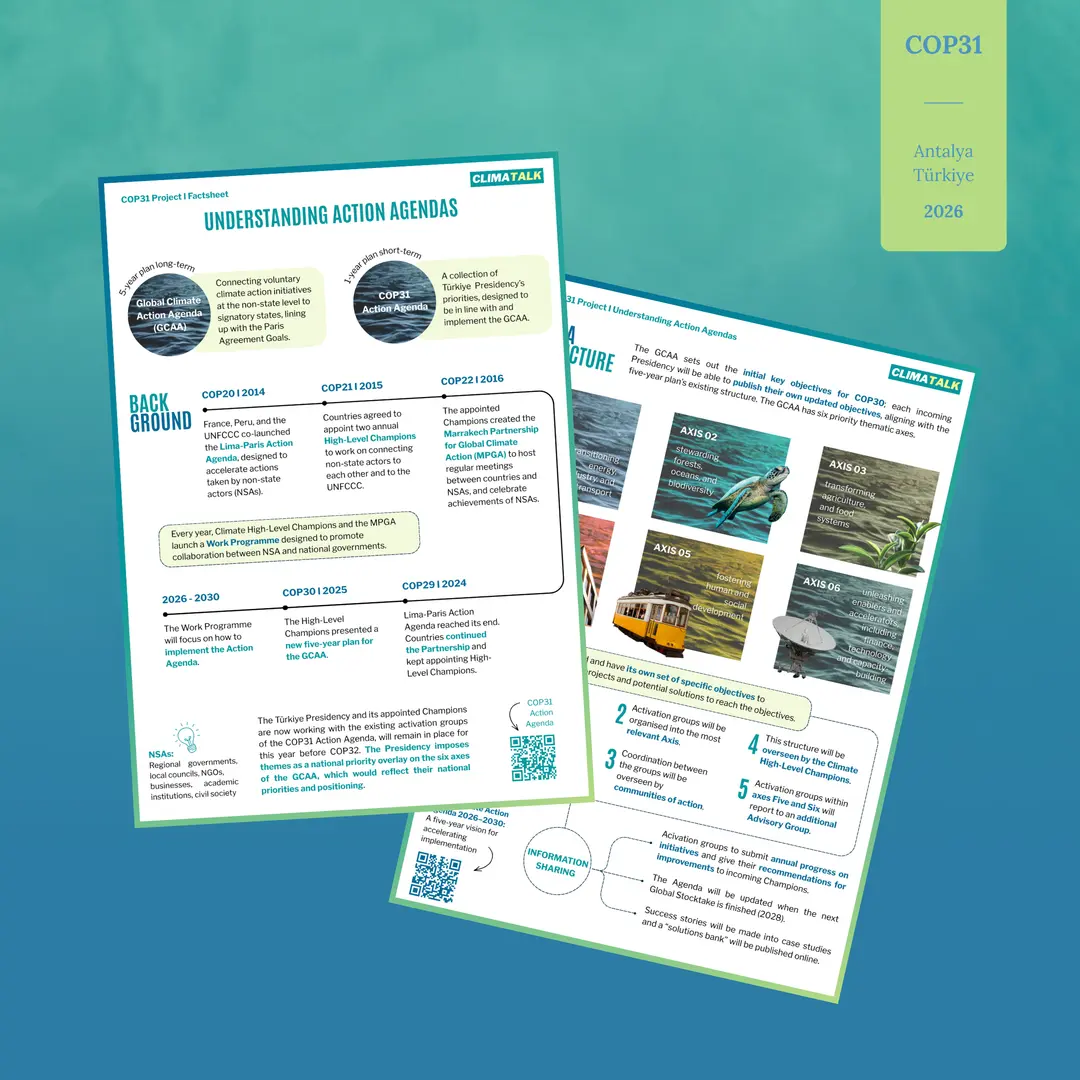
COP31 Understanding Action Agendas Factsheet
The COP31 Action Agenda is a set of priorities laid out by the Türkiye Presidency to reflect their national priorities and positioning, designed to align with the Global Climate Action Agenda, or GCAA. This five-year plan launched at COP31 will connect non-state climate action with signatory states. The objectives of the Action Agenda are grouped…
Climate Implementation Bridge: Turning National Plans into Things Banks Will Fund
The Climate Implementation Bridge (CIB) has been announced as the 10th theme in COP31’s Action Agenda: a platform for cooperation among governments, businesses, research institutions and society. Ambitious commitments and strategies are abundant and unrealised, and funding for climate adaptation and resilience is scarce, compared to the projected costs. Non-legally binding initiatives have received criticism…
From Dialogue to Decision: The Fight Over a Blue COP31
The ocean has been swallowing our heat, our carbon and, perhaps, our excuses too. At COP31 in Antalya, countries are trying to turn years of ocean talk into a Blue COP31 roadmap — one that could carry mangroves, coral reefs, island communities and ocean finance from the sidelines of climate talks into the centre of…
Climate Change’s Impact On Cities: COP 31 (Presidency)’s Vision Of Building Urban Resilience
Urban resilience relates to how cities bounce back and respond to climate shocks such as heatwaves and sea level rise. The COP31 Presidency aims to make urban resilience one of the key priorities of the global climate agenda at COP31. COP31 provides an important opportunity for local governments and other relevant stakeholders to exchange solutions…
Three Conventions, One Landscape: What Synergy Would Have to Mean?
Climate change, desertification, and biodiversity loss are heavily interlinked and pose challenges to humanity. These challenges are interconnected and the solutions must be too. That’s why within the COP31 Action Agenda, the Türkiye Presidency, which shares COP31 leadership with Australia as President of Negotiations, proposes a priority on ‘Rio Synergy’ to “demand integrated approaches that…
Cleaning up their Act: Electrification at COP31
Electrification is gaining significance in the clean energy transition, as demonstrated by the COP31 Presidency’s Agenda and goals. But negotiations will face political challenges, and implementation, though urgently needed, faces practical challenges.
Halving the Growth: The Presidency's Most Personal Target
Waste is no longer just a problem for landfills: it’s a climate issue. At COP31, Türkiye is proposing to halve the projected growth of global waste generation by 2035, and to increase the share of circular materials used in production by 15%. But what would those targets actually require, and can they move from an…
Steel, Cement and the Border: The Trade Fight Inside the Action Agenda
COP31 has been dubbed "COP of the Future: The COP of Implementation”, and the Action Agenda is designed to support countries in converting their national pledges into tangible economic activities. Among them is Priority 7 — “Green Industrialization” — aiming to transform industries by shifting from carbon targets to reshaping manufacturing and supply chains. Industries…
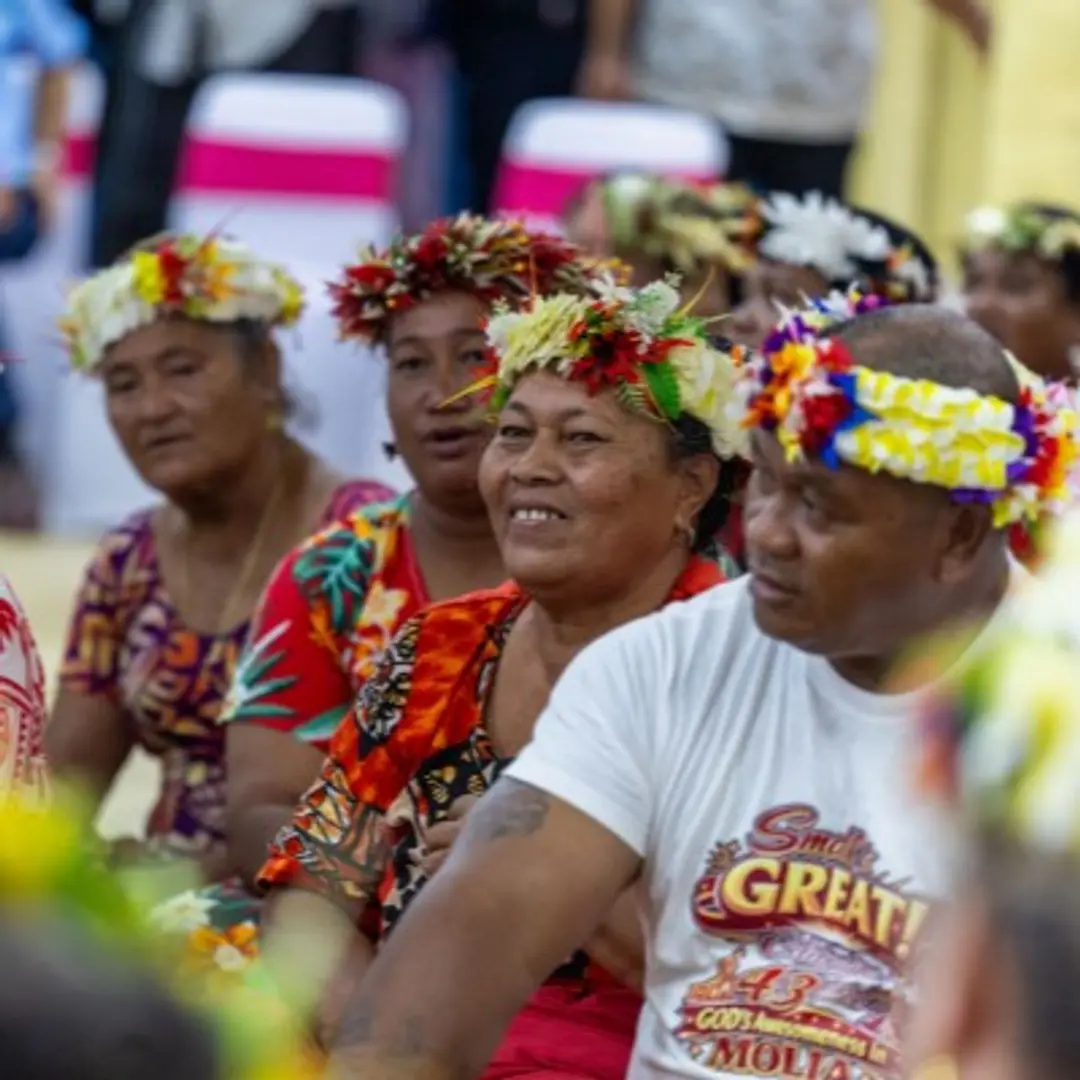
Before COP, Beyond Borders: Pacific Voices from Pre-COP at Fiji and Tuvalu
The pre-COP31 meetings in Fiji and Tuvalu highlighted Pacific island priorities, including accessible climate finance, a just transition to clean energy and keeping the 1.5°C goal alive.
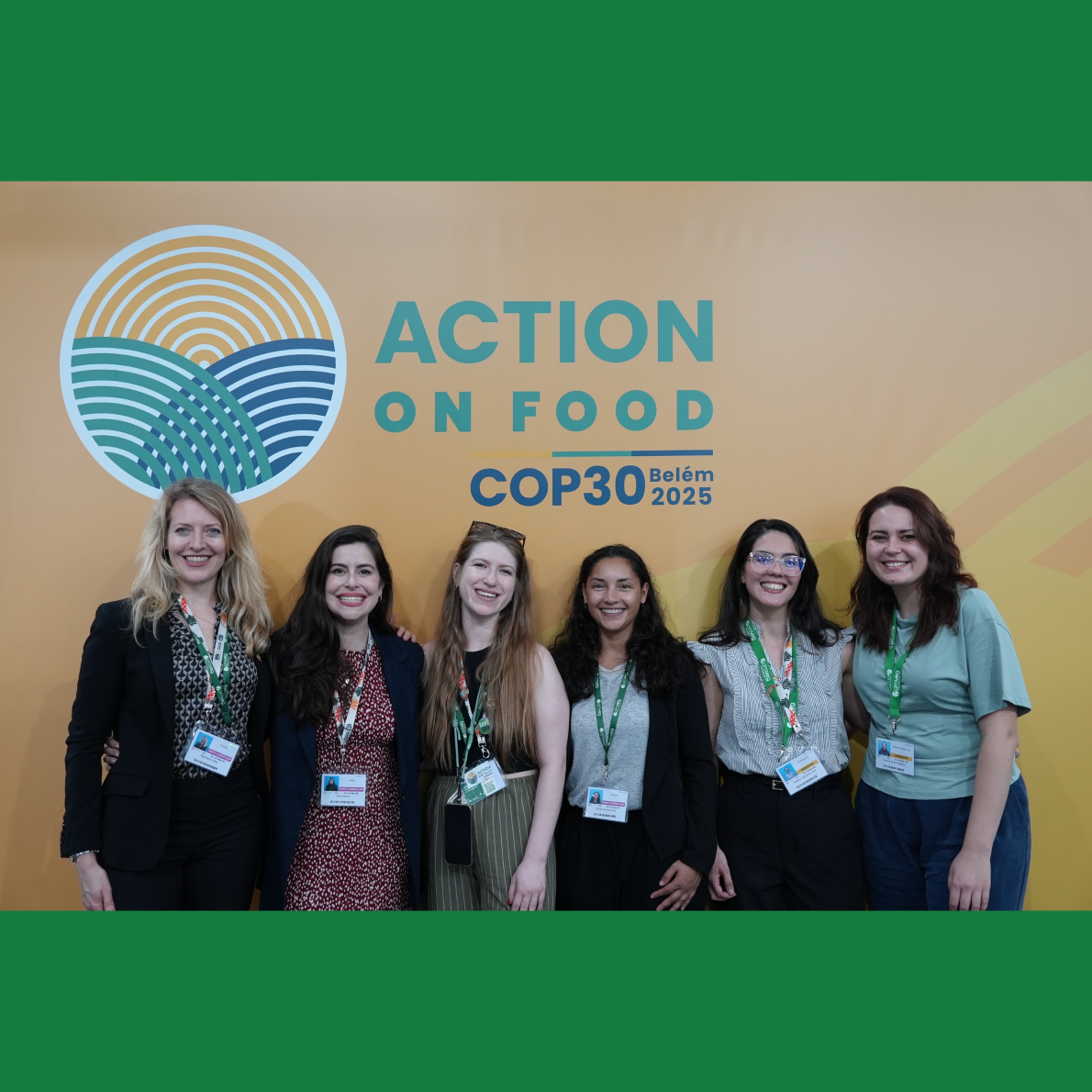
INTERVIEW: ProVeg International on Pushing UNFCCC Conferences towards more Sustainable Food Choices
An interview with ProVeg International on making food at UNFCCC conferences more sustainable and bringing food systems into climate policy.
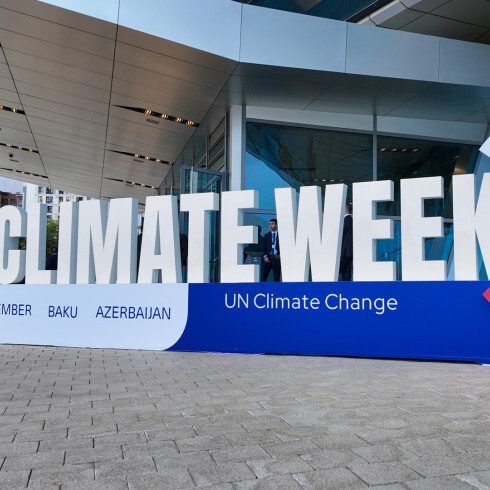
A look into UNFCCC Climate Week 4: From Ambition to Implementation on the way to COP31
Climate Week 4 focused on moving from ambition to implementation ahead of COP31, supported by finance, institutional coordination, reliable data and projects reflecting national needs.
SB64 Factsheet: Gender
A factsheet on gender equality in climate policy and funding at the 2026 Bonn climate talks, including progress, gaps and next steps for COP31.
SB64 Factsheet: Article 6.8
A factsheet on cooperation without carbon trading under the Paris Agreement at the 2026 Bonn climate talks, including outcomes and next steps for COP31.
SB64 Factsheet: Article 6.2
A factsheet on countries trading emissions cuts under the Paris Agreement at the 2026 Bonn climate talks. It covers funding for the trading system and next steps for COP31.
SB64 Factsheet: Climate Finance
A factsheet on climate funding at the 2026 Bonn climate talks, including disagreements over financial support and next steps for COP31.
SB64 Factsheet: Just Transition
A factsheet on making climate action fair for workers and communities at the 2026 Bonn climate talks, including outcomes and next steps for COP31.
SB64 Factsheet: Adaptation
A factsheet on adapting to climate change at the 2026 Bonn climate talks, including disagreements over funding, measuring progress and next steps for COP31.
SB64 Factsheet: Global Stocktake (GST)
A factsheet on discussions at the 2026 Bonn climate talks about the global review of progress towards the Paris Agreement's goals, including preparations for the next review.
SB64 Factsheet: Agriculture and Food Security
A factsheet on farming and food security at the 2026 Bonn climate talks, including outcomes, gaps in support and next steps for COP31.
SB64 Factsheet: Mitigation Work Programme (MWP)
A factsheet on talks about speeding up emissions cuts at the 2026 Bonn climate conference, including unresolved disagreements over the programme's future and next steps for COP31.
SB64 Factsheet: Action for Climate Empowerment (ACE)
A factsheet on climate education, training and public participation at the 2026 Bonn climate talks, including outcomes and work towards a new action plan.
SB64 Factsheet: Nationally Determined Contributions (NDCs)
A factsheet on how the 2026 Bonn climate talks addressed countries' climate plans, including support for putting them into action and unresolved reporting issues.
Key COP30 Outcomes
An overview of key COP30 outcomes ahead of the 2026 Bonn climate talks.

Debriefing the Santa Marta Fossil Fuels Conference with Marcele Oliveira
COP30 Youth Climate Champion Marcele Oliveira discusses the April 2026 conference on moving away from fossil fuels in Santa Marta, Colombia. The interview covers youth and public participation, the conference's different meetings and what might follow.

Ins & Outs of Bonn SB64: A Youth Guide
A youth guide to the 2026 Bonn Climate Change Conference (SB64), covering policy topics, institutions, stakeholders and practical tips for following negotiations.
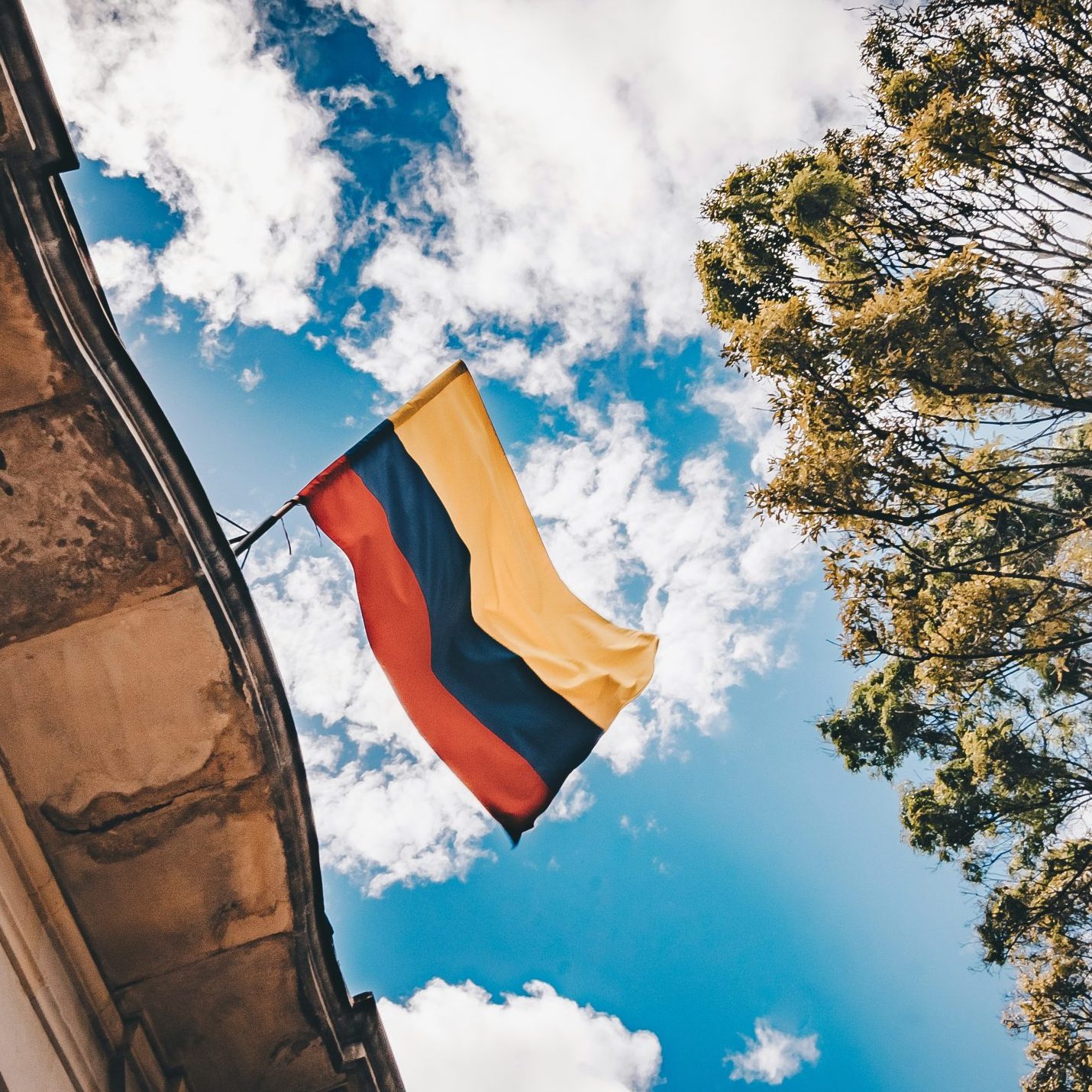
Colombia and The Netherlands Co-Host First Conference on Fossil-Fuel Phaseout: Can We “Ban” Fossil Fuels?
An introduction to the first international conference dedicated to transitioning away from fossil fuels, co-hosted by Colombia and the Netherlands in Santa Marta in April 2026.
COP30 Week 2 Debrief
A summary of the main developments in COP30's second week, including funding, loss and damage, emissions cuts, adaptation, gender, farming, oceans and biodiversity.
COP30 Week 1 Debrief
A summary of the main developments in COP30's first week, including funding, loss and damage, emissions cuts, adaptation, gender, farming, oceans and biodiversity.

COP30: Finding Hope in Indigenous Resistance over Negotiations
How Indigenous peoples protested for access and land rights at COP30 in Brazil. The article contrasts their gains with stalled negotiations on fossil fuels and climate funding.

COP30 Factsheet: National Adaptation Plans (NAPs)
What COP30 agreed on national adaptation plans, and the barriers countries face in carrying them out. The factsheet reviews funding, technical support and links with the global goal on adaptation.
COP30 Factsheet: Nationally Determined Contributions (NDCs)
What COP30 revealed about national climate plans and the gap between them and the 1.5°C goal. The factsheet reviews submissions, reporting and efforts to put plans into action.
COP30 Factsheet: Technology
What COP30 agreed on support for climate technology, including extending the Climate Technology Centre. The factsheet reviews funding, how programmes are run, countries' priorities and next steps.
COP30 Factsheet: Article 6
What COP30 agreed on funding for the Paris Agreement's carbon-credit mechanism. The factsheet reviews questions about lasting emissions reductions, participation, oversight and putting the system into operation.
COP30 Factsheet: Climate Finance
What COP30 agreed on climate funding, including the finance roadmap and forest funding. The factsheet reviews who contributes, who can access support, accountability and next steps.
COP30 Factsheet: Adaptation
What COP30 agreed on measuring progress in adapting to climate change. The factsheet reviews the new indicators, questions about funding and how countries will use the measures.
COP30 Factsheet: Loss and Damage
What COP30 agreed on loss and damage, including the review of the Warsaw International Mechanism and coordination between institutions. The factsheet examines funding gaps, access to support and next steps.
COP30 Factsheet: Biodiversity
What COP30 delivered for nature, including the mountain dialogue and further talks on coordinating climate and biodiversity action. The factsheet also reviews next steps on tropical-forest funding.
COP30 Factsheet: Food and Agriculture
The 2025 United Nations Climate Change Conference or Conference of the Parties to the UNFCCC, also known as COP30, took place from the 10th to the 21st of November in Belém, Brazil. We have created simple factsheets to many of the main policy topics of the conference. You can find the one on Food and…
COP30 Factsheet: Oceans
The 2025 United Nations Climate Change Conference or Conference of the Parties to the UNFCCC, also known as COP30, took place from the 10th to the 21st of November in Belém, Brazil. We have created simple factsheets to many of the main policy topics of the conference. You can find the one on Oceans below.
COP30 Factsheet: Action for Climate Empowerment (ACE)
The 2025 United Nations Climate Change Conference or Conference of the Parties to the UNFCCC, also known as COP30, took place from the 10th to the 21st of November in Belém, Brazil. We have created simple factsheets to many of the main policy topics of the conference. You can find the one on Action for…
COP30 Factsheet: Global Stocktake (GST)
The 2025 United Nations Climate Change Conference or Conference of the Parties to the UNFCCC, also known as COP30, took place from the 10th to the 21st of November in Belém, Brazil. We have created simple factsheets to many of the main policy topics of the conference. You can find the one on Global Stocktake…
COP30 Factsheet: Mitigation
The 2025 United Nations Climate Change Conference or Conference of the Parties to the UNFCCC, also known as COP30, took place from the 10th to the 21st of November in Belém, Brazil. We have created simple factsheets to many of the main policy topics of the conference. You can find the one on Mitigation below.…
COP30 Factsheet: Just Transition
The 2025 United Nations Climate Change Conference or Conference of the Parties to the UNFCCC, also known as COP30, took place from the 10th to the 21st of November in Belém, Brazil. We have created simple factsheets to many of the main policy topics of the conference. You can find the one on Just Transition…
COP30 Factsheet: Gender
The 2025 United Nations Climate Change Conference or Conference of the Parties to the UNFCCC, also known as COP30, took place from the 10th to the 21st of November in Belém, Brazil. We have created simple factsheets to many of the main policy topics of the conference. You can find the one on Gender below.…

My first COP: Overwhelmed, inspired, and learning in real time
This diary entry reflects the experience of attending COP for the first time. Elena, one of ClimaTalk’s COP30 delegates, shares her experiences about notable moments before and after COP, in- and outside of the venue. Using personal anecdotes, she shares her most memorable moments from in- and outside the venue. Therefore, her article offers an…

COP30 In My Home Country: A Youth Observer’s Diary
Arriving at COP30 honestly felt like stepping into another dimension. One second, I was outside in the Belém heat, and the next, my badge scanned green, and suddenly I was inside the Hangar - where the temperature drops, the noise rises, and everyone looks like they know exactly where they’re going (spoiler: they don’t). I…

FOCUS CARAÏBES : Faire entendre la voix des jeunes des territoires insulaires infranationaux
Il s’agit d’un livret de 65 pages (ou « zine ») créé par ClimaTalk et l’Observatoire Terre-Monde, rassemblant les voix de 23 jeunes issus de toute la Caraïbe. Vous pouvez accéder et télécharger ci-dessous le document : « FOCUS CARAÏBES : Faire entendre la voix des jeunes des territoires insulaires infranationaux » ; (Version anglophone…

‘Climate finance is not charity.’ Breaking down climate finance solutions at COP30 talks
Is COP30 fit for progress? As the conference drew to a close in Belém, our delegate on the ground reported on the efforts by developing countries to change how climate finance solutions are perceived at COPs, challenging their status as charitable acts and reminding us of their necessity.

Decoding UNFCCC Language Guide
Our new guide on Decoding UNFCCC Language is now available for download and makes UNFCCC jargon accessible to young people at hashtag#COP30 or tracking COP from home.

COP30 Student Guide
This student guide explores how different academic disciplins are relevant for fighting the climate crisis and can get involved with COP30.

What To Expect From COP30
The Controversies The annual UN Climate Change Conferences (COPs) are intended to be neutral platforms for global consensus, yet they are increasingly being held in nations whose domestic policies contradict the goals of the Paris Agreement. For climate advocates, hosting negotiations in oil-dependent, rights-restricting nations represents a conflict of interest, often serving to legitimise their…

SB62: Why Civil Society Youth Engagement and Participation are Questions of Privileges, Power, and Resources First
SB62: Why Civil Society Youth Engagement and Participation are Questions of Privileges, Power, and Resources First

COP30 Factsheet
The COP30 Factsheet is a downloadable overview of Climate COPs and COP30 in particular that serves as an easy-to-read tool in the lead up to and during COP30. The thematic program, negotiating groups and the different zones (blue and green) are some of the topics covered in the factsheet. More information on the UNFCCC and…

Seats at the Table: A Youth Vision for COP30
Seats at the Table: A Youth Vision for COP30 is a collective call from young people worldwide for meaningful participation and shared leadership in international climate negotiations. As COP30 approaches, youth from diverse regions and movements demand that their roles extend beyond tokenistic representation to genuine co-leadership in decision-making spaces. Rooted in reflections from SB62,…

Spotlight On Brazil: Why Is The COP30 Host Expanding Offshore Oil Production?
Environmental advocates have criticised Brazil for its national oil company’s plans to drill near the mouth of the Amazon. A contentious bill, dubbed the ‘Devastation Bill’ by environmental groups, weakens regulations for oil and gas projects and threatens both the environment and Indigenous Peoples. Brazil's economic development must not depend on destroying its unique and…

SB62 Factsheet: Mitigation
SB62 Factsheet: Mitigation
SB62 Factsheet: Loss and Damage
SB62 Factsheet: Loss and Damage
SB62 Factsheet: Just Transition
SB62 Factsheet: Just Transition
SB62 Factsheet: Global Stocktake (GST)
SB62 Factsheet: Global Stocktake (GST)
SB62 Factsheet: Gender
SB62 Factsheet: Gender
SB62 Factsheet: Food and Agriculture
SB62 Factsheet: Food and Agriculture
SB62 Factsheet: Climate Finance
SB62 Factsheet on Climate Finance
SB62 Factsheet: Article 6
SB62 Factsheet on Article 6
SB62 Factsheet: Global Goal on Adaptation
SB62 Factsheet on Global Goal on Adaptation

Ins & Outs of Bonn SB62: A Youth Guide
A comprehensive guide to this year's UNFCCC Bonn Climate Change Conference, SB62 (2025). It covers thematic areas, mechanisms, stakeholders, a glossary and tips building capacity and analysing negotiation texts.

COP29 Special Edition
Short articles reviewing COP29's main outcomes, including funding, adaptation, farming, biodiversity, oceans, gender and a fair transition.

Does climate finance work for young farmers? A deep-dive with Mawejje Harbert
Does climate funding reach young farmers? Mawejje Harbert shares his experience in Uganda, discussing COP29's funding promises and the difficulties farmers face in accessing land and protecting crops from droughts and floods.

Article 6.8
A one-page factsheet on cooperation without carbon trading under Article 6.8 of the Paris Agreement, prepared after COP29.
Article 6.4
A one-page factsheet on the Paris Agreement's UN-supervised system for earning and trading credits for emissions cuts, prepared after COP29.
Article 6.2
A one-page factsheet on countries trading emissions cuts under Article 6.2 of the Paris Agreement, prepared after COP29.
Fund for Responding to Loss and Damage (FRLD)
A one-page factsheet on the fund that helps vulnerable developing countries respond to climate harm and losses, prepared after COP29.
Action for Climate Empowerment (ACE)
A one-page factsheet on climate education, training and public participation under Action for Climate Empowerment, prepared after COP29.
UAE Dialogue on the Global Stocktake (GST)
A one-page factsheet on talks about putting the Global Stocktake's findings into action. The stocktake checks collective progress towards the Paris Agreement's goals. Prepared after COP29.
UAE Just Transition Work Programme (JTWP)
A one-page factsheet on work to make the shift to a low-emission economy fair for workers and communities, prepared after COP29.
Enhanced Lima Work Programme on Gender
A one-page factsheet on gender equality in climate policy, funding and participation, prepared after COP29.
Sharm el-Sheikh Joint Work on Climate Action for Agriculture and Food Security
A factsheet on UN climate negotiations about farming and food security after COP29. It explains the background, outcomes, key issues, countries' positions and next steps.
Nairobi Work Programme on Impacts, Vulnerability and Adaptation (NWP)
A factsheet on the Nairobi Work Programme, which shares knowledge about climate risks and adaptation. Prepared after COP29, it explains the background, outcomes, key issues and next steps.
Global Goal on Adaptation (GCA)
An accessible one-page factsheet on the Global Goal on Adaptation (GCA) created by ClimaTalk after COP29.
National Adaptation Plans (NAPs)
An accessible one-page factsheet on National Adaptation Plans (NAPs) created by ClimaTalk after COP29
Nationally Determined Contributions (NDCs)
An accessible one-page factsheet on Nationally Determined Contributions (NDCs) created by ClimaTalk after COP29.
Sharm el-Sheikh Mitigation Ambition & Implementation Work Programme (MWP)
An accessible one-page factsheet on the Sharm el-Sheikh Mitigation Ambition & Implementation Work Programme (MWP) created by ClimaTalk after COP29.
New Collective Quantified Goal (NCQG) on Climate Finance
An accessible one-page factsheet on the New Collective Quantified Goal (NCQG) on Climate Finance created by ClimaTalk after COP29.

CARIBBEAN SPOTLIGHT: Uplifting Youth Voices from Non-Sovereign States and Territories
This 65-page booklet uplifts youth voices from the Caribbean to raise awareness about their lack of representation on an international stage.

Action for Climate Empowerment (ACE)
An accessible one-page factsheet on the Action for Climate Empowerment (ACE) created by ClimaTalk ahead of COP29.
Sharm-el-Sheikh Joint Work on Implementation of Climate Action on Agriculture and Food Security
An accessible one-page factsheet on the Sharm-el-Sheikh Joint Work on Implementation of Climate Action on Agricolture and Food Security created by ClimaTalk ahead of COP29.
UAE Just Transition Work Programme (JTWP)
An accessible one-page factsheet on the UAE Just Transition Work Programme (JTWP) created by ClimaTalk ahead of COP29.
The Enhanced Lima Work Programme on Gender (LWPG)
An accessible one-page factsheet on the The Enhanced Lima Work Programme on Gender (LWPG) created by ClimaTalk ahead of COP29.
Fund for Responding to Loss and Damage (FRLD)
An accessible one-page factsheet on the Fund for Responding to Loss and Damage (FRLD) created by ClimaTalk ahead of COP29.
Article 6
An accessible one-page factsheet on the Article 6 created by ClimaTalk ahead of COP29.
Sharm-el-Sheikh Mitigation Ambition and Implementation Work Programme
An accessible one-page factsheet on the Sharm-el-Sheikh Mitigation Ambition and Implementation Work Programme created by ClimaTalk ahead of COP29.
Nairobi Work Programme (NWP) on Impacts, Vulnerability and Adaptation
An accessible one-page factsheet on the Nairobi Work Programme (NWP) on Impacts, Vulnerability and Adaptation created by ClimaTalk ahead of COP29.
Global Goal on Adaptation (GGA)
An accessible one-page factsheet on the Global Goal on Adaptation (GGA) created by ClimaTalk ahead of COP29.
New Collective Quantified Goal (NCQG) on Climate Finance
An accessible one-page factsheet on the New Collective Quantified Goal (NCQG) on Climate Finance created by ClimaTalk ahead of COP29.

GUEST FEATURE: We Need to Talk About Money - Amplifying Africa’s Call for Climate Adaptation Finance
In this ClimaTalk guest feature, African climate activists are demanding a fairer system for climate adaptation finance ahead of COP29.

COP29 Youth Guide
A practical and continuously updated COP29 Youth Guide put together by ClimaTalk and ChangemakerXchange for young people going to COP29.

COP29 Factsheet
An easy-to-read tool in the lead up to and during COP29.

ABCs of Climate COPs
The “ABCs of Climate COPs” is an easy-to-read booklet that offers an accessible breakdown of climate COPs and the common terminology and acronyms used.

SB60: Personal Reflections from Bonn 2024
At ClimaTalk we’ve been reporting live from the UNFCCC climate conferences since COP26. The Bonn Climate Change Conference 2024 (SB60) was our fifth UNFCCC conference. With this booklet, we’re happy to be sharing some personal experiences of our ClimaTalk team on the ground. Chanel, Christy, Dan and Luisa speak about their experience getting familiar with…

GUEST FEATURE: The SBs - The Climate Conference Few Have Heard Of
While the UN's annual COP conferences draw most of the media attention, the lesser-known Subsidiary Bodies (SBs) meetings, held biannually in Bonn, are where key technical discussions and negotiations take place.

Regional Conference of Youth Europe 2024 Experience
RCOY (Regional Conference of Youth) Europe 2024 took place from 10th-12th May 2024 in Vienna, Austria! It was organised by CliMates Austria and was part of the official UNFCCC YOUNGO Conferences of Youth. We asked some participants to share their experiences with us by replying to three questions: Who or what inspired you at RCOY?…

SB60 Factsheet: Just Transition Work Programme (JTWP)
Factsheet for SB60 on the Just Transition Work Programme (JTWP)

SB60 Factsheet: Action for Climate Empowerment (ACE)
Factsheet for SB60 on Action for Climate Empowerment (ACE).

SB60 Factsheet: Enhanced Transparency Framework (ETF)
Factsheet for SB60 on the Enhanced Transparency Framework (ETF).

SB60 Factsheet: New Collective Quantified Goal (NCQG) on Climate Finance
Factsheet for SB60 on the NCQG on Climate Finance.

Ins & Outs of Bonn SB60: A Youth Guide
A comprehensive guide to this year's UNFCCC Bonn Climate Change Conference, SB60 (2024). It covers thematic areas, mechanisms, stakeholders, a glossary and tips building capacity and analysing negotiation texts.

GUEST FEATURE: My experience as a young negotiator for Zimbabwe
Natalie Gwatirisa reflects on representing Zimbabwe at UN climate talks, how negotiating language shapes decisions, and why young people need a meaningful role.
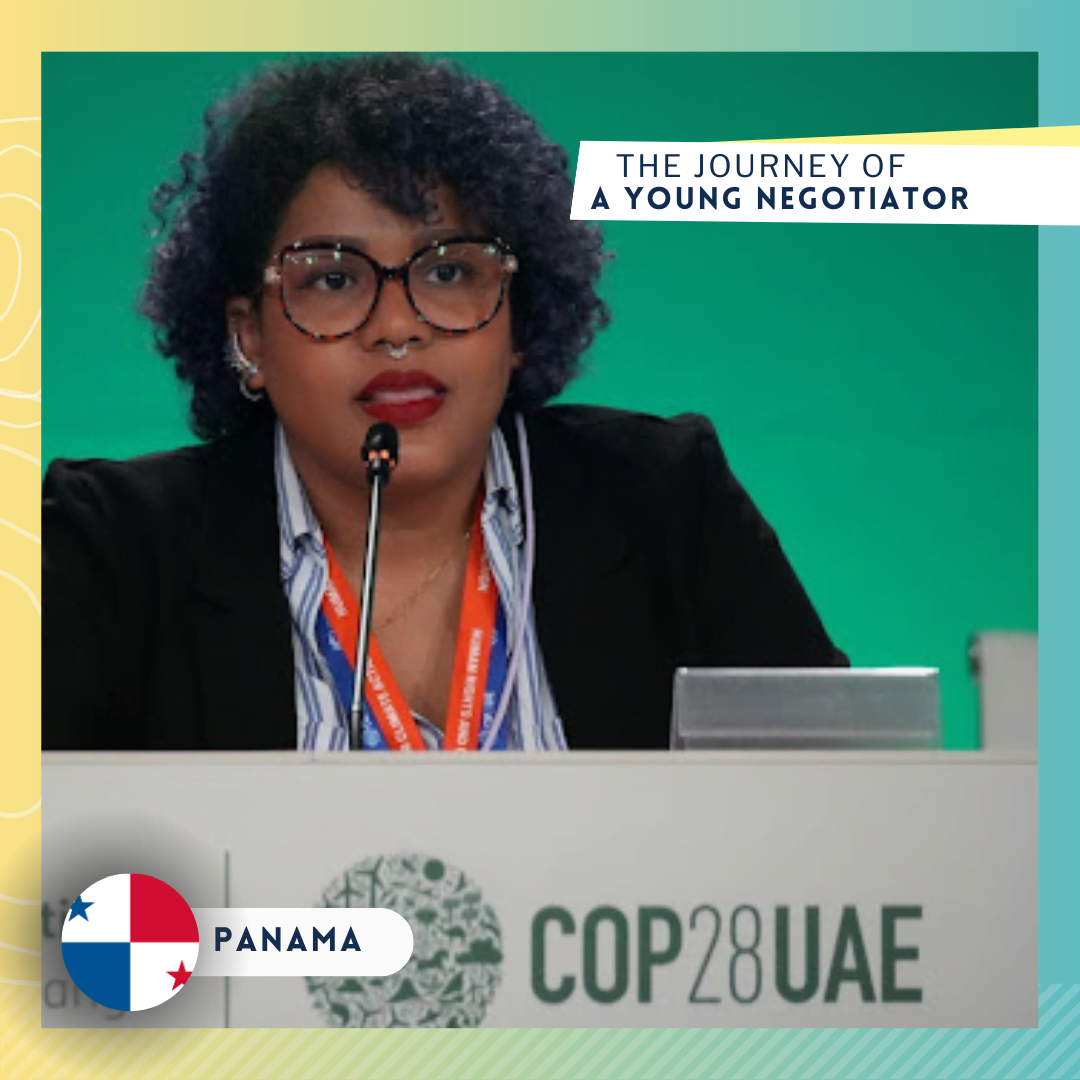
GUEST FEATURE: My experience as a young negotiator for Panama
A young negotiator from Panama shares her route into climate policy and experiences at COP27 and COP28. She explains the challenges of negotiating and why training and support matter for young people.

ClimaTalk COP28 WEEK 2 RECAP
A downloadable booklet covering the main topics and negotiation updates from the second week of COP28.

ClimaTalk COP28 WEEK 1 RECAP
A downloadable booklet covering the main topics and negotiation updates from the first week of COP28.

GUEST FEATURE: My experience as a young negotiator for Nigeria
Chinwe shares her experience as Nigeria's climate youth negotiator in training, working on climate funding. She reflects on representing developing countries, building trust and supporting the next generation of negotiators.

COP28 Factsheet
A downloadable introduction to UN climate conferences and COP28, designed to help readers prepare for and follow the talks.

Timeline of COPs (interactive)
Explore milestones and decisions from the UN climate conferences.
What’s in an NDC? A 2030 Outlook (Updated)
What national climate plans contain and how countries update them every five years. The article reviews emissions targets, adaptation, funding, progress checks and the requirement for each new plan to go further.

Bonn Climate Change Conference 2023 (SB58) - Topic Summaries
Summaries of the 2023 Bonn climate talks, written by ClimaTalk contributors and young negotiators. Topics include funding, climate harm, carbon trading, oceans and public participation.

Africa Climate Summit: Nairobi, September 2023
A participant reflects on the Africa Climate Summit and Africa Climate Week in Nairobi. The article calls for fairer funding that reflects African priorities, and warns that carbon markets cannot replace emissions cuts.

Personal Reflections from the Bonn Climate Change Conference 2023
ClimaTalkers Nikola Baumschlager and Chanel Ng reflect on the 2023 Bonn Climate Change Conference. They share observations on moving away from fossil fuels, food choices, youth participation and negotiations.

EVENT: Youth At International Climate Conferences
An event during New York Climate Week 2023 on young people's experiences at international climate conferences and the road to COP28. It was organised by ClimaTalk's COP28 Project.

COP27 Recap & Looking Ahead To COP28
A review of COP27's outcomes on youth participation, farming, gender, water and funding for climate harm. It also sets out priorities for COP28.

COP27: What Happened in Week Two?
Summary of developments in the different topic areas discussed during the second week at COP27
COP27: What Happened in Week Two?
Summary of developments in the different topic areas discussed during the second week at COP27.

COP27: What Happened in Week One?
Summary of developments in the different topic areas discussed during the first week at COP27.

PRE COP27 ANALYSIS: Why the ‘African COP’ could mean better solutions for the Global South
Why COP27 in Egypt needed to reflect the priorities of developing countries. The article calls for practical solutions in cities, transport, public budgets and waste that meet both climate and development needs.

PRE COP27 ANALYSIS: Taking steps towards a resilient agri-food system for people and climate
Food industry and intensive agriculture emissions and other detrimental impacts must be urgently addressed impact on the environment. The landmark agreement to discuss these topics at COP is called the Koronivia Joint Work on Agriculture The conversation will hopefully precipitate a plan with mutual agreement at COP27.
PRE COP27 ANALYSIS: Taking steps towards a resilient agri-food system for people and climate
Why food and farming needed urgent attention at COP27 as population growth, pressure on land and climate impacts threatened food security. The article introduces the Food and Agriculture Pavilion and ways to help food systems cope.

PRE COP27 ANALYSIS: The water crisis and the Conference of the Parties (COP)
Extreme events such as droughts and floods, and their related consequences, are exacerbated by climate change. Discussing water at the COP is paramount given the ongoing climate-related water crisis. There is hope for the parties at COP27 to discuss the implementation of the NDCs, the transfer of technologies to the developing countries, and the transboundary…
PRE COP27 ANALYSIS: The water crisis and the Conference of the Parties (COP)
How droughts, floods and other climate extremes worsen water shortages and water quality. Ahead of COP27 in Egypt, the article looks at risks for farming, health and ecosystems, and the need for funding and cooperation.

PRE COP27 ANALYSIS: Gender-Responsive Climate Policy on the COP27 Agenda
Why climate policies need to account for different impacts on women and men. Ahead of COP27's Gender Day, the article reviews progress, gaps in funding and participation, and proposals for action.

PRE COP27 ANALYSIS: A Focus on Biodiversity
What changed for biodiversity and oceans after COP26, and what still needed attention before COP27. The article reviews conservation goals and the need to connect climate action with protecting nature.

COP ATTENDEES HIERARCHY
Who attends UN climate conferences and how their roles differ. The article explains the access and participation of country delegates, observers and other participants at COP26 and COP27.

Post COP26 Analysis: A Focus on Science & Innovation
How science and new technologies shaped COP26, and why its pledges fell short of the 1.5°C warming goal. The article also asks why lifestyle changes and wider changes to society received less attention.

COP27 Glossary Booklet
https://climatalk.org/wp-content/uploads/2022/05/Glossary-booklet-COP27.pdf

Timeline to COP27
Want to stay up to date on all things COP happening across the year? Look no further than our Timeline to COP27 happening in November 2022 which details all the key events across the coming year related to COP.

Post COP26 Analysis: A Focus on Indigenous Inclusion
Indigenous peoples faced barriers to taking part in COP26 despite their knowledge of climate solutions. The article reviews access problems, funding to protect forests and land rights, and calls for stronger inclusion.

Post COP26 Analysis: A Focus on Finance
COP26 left major funding questions unresolved. The article reviews the missed US$100 billion pledge, support for adapting to climate change, funding for climate harm, and concerns about loans and delivery.

Post COP26 Analysis: A Focus on Youth
Young people called for faster climate action and a greater role in decisions through Youth4Climate and the youth conference before COP26. The article asks how far COP26 met those demands.

1.5°C versus 2°C of Warming: Political Histories and the Climate Implications
How the 2°C warming limit entered climate policy and why small island states pushed for 1.5°C. The article traces these goals through international agreements and explains why every extra rise in temperature matters.

How Do Nations Lobby On Climate Change?
How governments, companies and other interest groups influenced climate policy around COP26. The article examines efforts to weaken scientific findings and the role of corporate lobbying at the summit.

International Agreements: A Focus on Entry and Exit Clauses
How countries join and leave international treaties. The article applies these rules to the Paris Agreement and explains the difference between its binding duties and countries' own climate targets.

What Is The Glasgow Climate Pact?
What countries agreed at COP26, including the shift from phasing out coal to phasing it down. The article follows changes during negotiations and reviews promises on emissions, adaptation funding and support.

Post COP26 Analysis: A Focus on Gender
How COP26 addressed the unequal climate risks faced by women and girls. The article reviews women's participation, funding pledges and gaps in support for girls' education.

What Is The Green Climate Fund?
How the Green Climate Fund supports climate action in developing countries. The article explains its projects and approach, and reviews criticisms about access to funding and fairness.

Post COP26 Analysis: Oceans Continue to be Under-Represented
Why oceans received little attention in COP26 negotiations despite their importance for the climate and people's livelihoods. The article reviews related events and funding pledges, and calls for a stronger voice for communities that depend on the ocean.
Post COP26 Analysis: A Focus on Nature
How COP26 addressed forests, farming and land use. The article reviews carbon stored in forests, deforestation, the Glasgow forests declaration and the need to connect climate action with protecting nature.
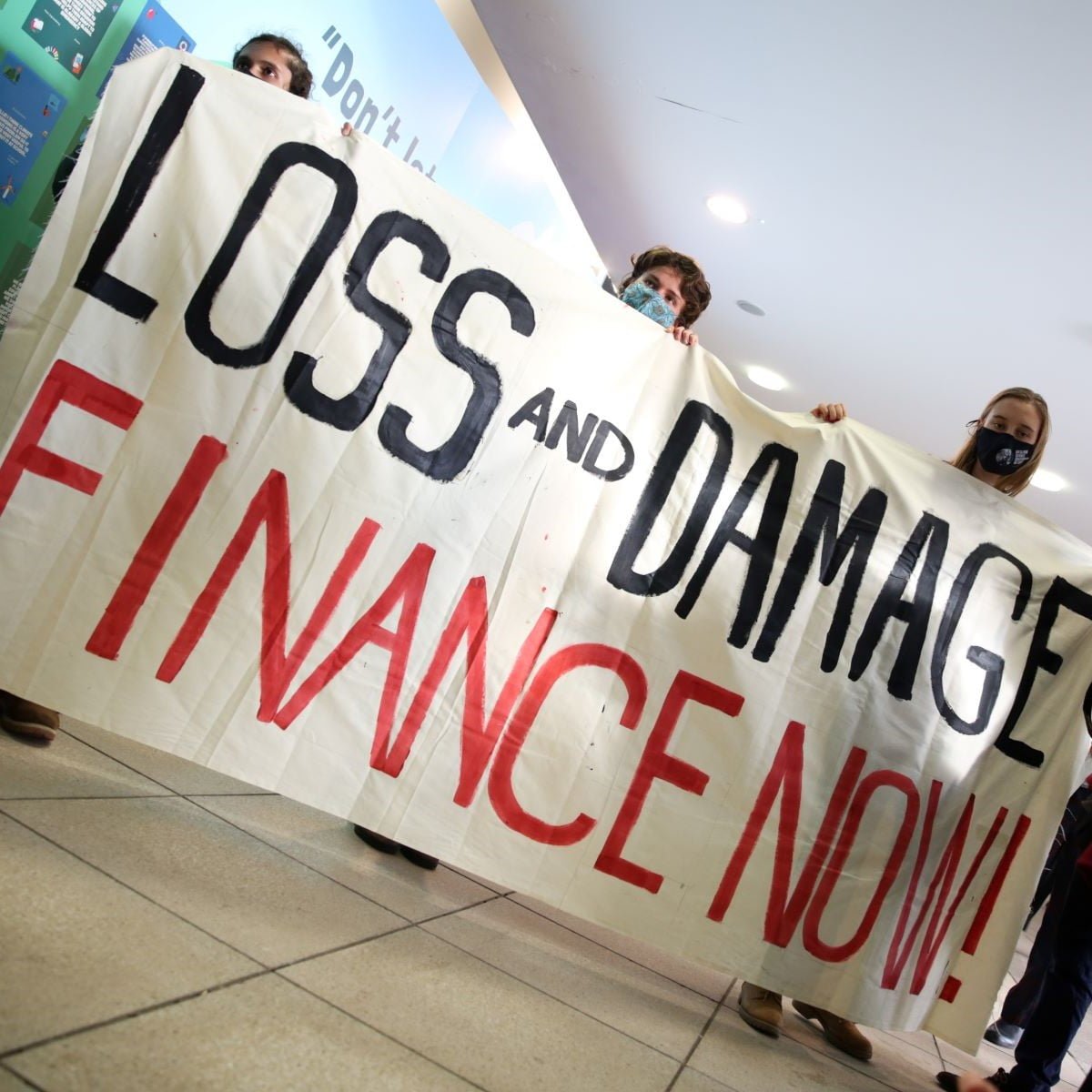
Post COP26 Analysis: A Focus on Adaptation, Loss and Damage
Adaptation finance progressed, but not enough to cover adaptation costs. Loss and damage was a major sticking point at the conference. Developed countries stood their ground meaning little action was taken on loss and damage.

What Are The Parties To The UNFCCC And Climate Conferences?
This article defines the term ‘Party’ that is stated in the UNFCCC, Kyoto Protocol and the Paris Agreement There are three types of Parties to the UNFCCC, the Paris Agreement and the Kyoto Protocol; Annex I, Annex II and Non-Annex Parties The Parties meet annually to discuss progress on climate change and further action needed…

The Emissions and Adaptation Reports: An Evaluation
The Paris 2050 Targets are a set of initiatives to limit global warming to below 2 degree Celsius, with ambitious efforts to limit this to 1.5degree Celsius. Of 184 countries that pledged carbon reduction under the Paris Agreement, 75% of countries’ pledges were insufficient to meet the 2? target of . The fifth annual UNEP…

Reflections from the Second Week at COP26
Week two of COP26 took place between 8th and 12th November 2021 and covered topics such as adaptation, transport, gender, science and innovation, and the built environment. Week two also saw the release of a cooperation agreement between US and China. Transparency was also found to be a cross-cutting subject that was important in many…

Reflections from the First Week at COP26
COP26 started on Sunday 31 November 2021. The first week of the conference saw a two-day World Leaders Summit and respective days on finance, energy, youth empowerment and nature. ClimaTalk has been tracking these topics and in this article presents the headline outcomes and thoughts from week one of COP26. We have also highlighted the…

COP26: Inclusivity and Accessibility Considerations
The COP26 Presidency wanted to make the conference the most inclusive COP ever, however, reports have indicated that this has not been the case. Vaccine rollout and travel restrictions have been two of the barriers to accessibility and inclusivity to COP26. The price of accommodation has also been a barrier for young people wanting to…

Looking to COP26: A Focus on Discussion Topics for Week 2
Week two of COP26 will include negotiations and discussions on adaptation, transparency, loss and damage, science, nature, and the transport sector. ClimaTalk will be hosting live sessions on these topics between Monday 8 November and Friday 12 November As the second week of COP26 draws to a close, ClimaTalk will be discussing whether the Glasgow…

Robin Fontaine’s Reflections on COY16 and the Global Youth Statement
COY16 took place in Glasgow on 30 to 31 October 2020 and saw delegates from 140 countries attend. Robin Fontaine reflects on his experience at COY16 and states that the most significant output of COY16 was the Global Youth Statement, which demanded youth inclusion during policy negotiations and climate change governance.

Looking to COP26: A Focus on Discussion Topics for Week 1
ClimaTalk’s previous article, The Paris Agreement: A Focus on Unresolved Issues, delved into aspects of the Paris Agreement that were left unresolved at the end of the 25th Conference of the Parties (COP). These included Article 6 and carbon markets, funding mechanisms for loss and damage, the timescales for the submission of updated Nationally Determined…

How Sustainable is the UNFCCC Conference of the Parties?
The COP usually hosts between 10,000 and 30,000 participants. The scale of these events, and the number of participants, has previously been associated with large emissions of greenhouse gases (GHGs).

Interview with Sonia Roschnik and Anna Fuhrmann: Health Care, Climate Change and Education
In this interview ClimaTalk spoke with Sonia Roschnik and Anna Fuhrmann, from Health Care Without Harm (HCWH) to discuss projects surrounding hospitals, nurses training and the health care sector.

Informal Consultations: From COP25 to COP26
In the run up to the next COP, the previous year’s Presidency and the incoming Presidency work together to set out a multi-layered approach to identify and test solutions to the topics at the upcoming COP. This article focuses on the outcomes of the meetings and consultations that have taken place during 2021 since COP25.…

UNFCCC’s Conference of the Parties & Non-state Actors II: Impact of Non-state Actors
There is some evidence of non-state actors engagement in climate mitigation and adaptation, but is still limited. Non-state actors are also calling on the UNFCCC to enable them to have greater involvement in climate policy and its implementation.

UNFCCC’s Conference of the Parties & Non-state Actors I: History
Non-state actors may not be Parties to the UNFCCC but they still play an important role in international climate politics. The Lima-Paris Action Agenda was an important milestone to strengthen Party - non-state actors collaboration. The Marrakech Partnership institutionalises cooperation.

Mock COP Campaigners Progress & National Governments Commitments
What is MockCOP 26? Read on to find out! ClimaTalk speaks with Mock COP26 activist Kelo Uchendu about his involvement. Mock COP hopes to not only host their ministerial summit, but showcase ‘My Climate Reality’, a virtual reality project in which youth on the front lines of the climate crisis can share their stories with…

The Emissions and Adaptation Gap Reports
The United Nations Environment Programme (UNEP) publishes two annual flagship reports assessing the global advance in two of the main topics of the Paris Agreement: Mitigation and Adaptation. Both reports are coordinated by UNEP DTU Partnership with its office in Denmark, a partnership between the United Nations Environmental Programme (UNEP) and the Technical University of…

Interview with Cindy Forde - Education: a Game Changer for Wicked Problems
Educating people about climate change is at the heart of ClimaTalk’s mission. So, what can we learn from Cindy Forde, founder of Planetari? This education platform is aligned with the UN’s sustainable development goals, equipping children with more information to understand climate change. Read on to learn more!

How to Organize Your Day at COP?
Going to a COP? Not sure how to plan? Read on! Make sure you work out where you can access, and don’t feel shy about attending negotiations. Have the confidence to strike up conversations and network with other attendees!

Y7 interview with Evie Aspinall
See how youth voices are having an impact on policy-making, for example with the G7 summit. Y7 even had confirmation from the PM that their campaigning resulted in mental health being included on the G7 communique.

Youth Participation & Policymaking: YOUNGO
Mounting youth participation in policy, in 2009 the UNFCCC recognised young people as an official observer constituency called YOUNGO. YOUNGO has been a fully recognised organisation since COP17. YOUNGO currently counts over 5,500 members and 200 youth-run NGOs from around the world, including Climate Now and All for a Better Climate.

Carbon Controversy: Looking Into the REDD+ Programme
The UN’s REDD+ programme aims to curb carbon emissions by incentivising countries to protect their forestry resources. However, this is a complex task, and REDD+ has been subject to significant criticism. In this article, Vincent explains how the programme works in practice, and discusses some of the challenges it faces.

The Paris Agreement: A focus on the Katowice Package
The Katowice Package was an outcome of COP24 in Katowice, Poland, and sets out the procedures and mechanisms to implement the Paris Agreement.

Women at COP
Read on to learn about how women impact and are impacted by the climate crisis, and why it is crucial to have female voices at the forefront of decision-making.

What is the YOUTH 7 (Y7) Summit?
The Youth 7 is summit organised for people aged 18 to 30 years old to come together to discuss and negotiate topics on behalf of young people from the respective G7 countries.

The Paris Agreement: A Focus on Common Time Frames
This article explains the suggested time frames at COP26 for countries for submitting and enforcing their Nationally Determined Commitments in regards to climate policy.

What is the Common But Differentiated Responsibilities and Respective Capabilities (CBDR-RC) Principle?
The CBDR-RC Principle recognises that countries have different duties and abilities to address the negative impacts of climate change, but all countries have an obligation to address climate change.

What is the United Nations Framework Convention on Climate Change (UNFCCC)?
The UNFCCC aims to mitigate the wide-ranging issues caused by the climate crisis and unite global governments to find workable solutions.

What is the Warsaw International Mechanism for Loss and Damage?
The Warsaw International Mechanism for Loss and Damage associated with Climate Change Impacts (WIM) sets out to address the devastating effects the climate crisis is having on vulnerable developing nations.

The Paris Agreement: A Focus on the Global Stocktake
The Paris Agreement under Article 14 outlines an evaluation process known as the Global Stocktake (GST). This assesses in a comprehensive and facilitative manner the collective advance, gaps and challenges in mitigation, adaptation and the means of implementation and support, taking into account current science and the aspect of equity.

Small Island Developing States & COP26: An Interview with James Ellsmoor
An interview with James Ellsmoor, an expert on sustainable development in Small Island Developing States (SIDS). He provides an introduction to the unique challenges that SIDS face under the climate crisis. He also discusses the important role that SIDS could play in driving climate action at COP26.

Small Island Developing States
An overview of major international policies enacted to support the sustainable development of SIDS.

What are the UNFCCC Subsidiary Bodies? (Updated)
Permanent Subsidiary Bodies There are two permanent subsidiary bodies; the Subsidiary Body for Scientific and Technological Advice (SBSTA) and the Subsidiary Body for Implementation (SBI) [1]. The SBSTA was established under Article 9 of the UNFCCC, while SBI was established under Article 10 of the UNFCCC, and both bodies report their work to COP [2].…

The Paris Agreement: A Focus on REDD+
This article explains the principle of cap-and-trade schemes where rich countries contribute monetarily to mitigate climate or ecosystem damage in poorer countries.

The Language of Climate: Kyoto to Paris
This article uses statistical analysis to evaluate semantic choices in the Paris Agreement and in the Kyoto Protocol.

The Paris Agreement: A Focus on Transparency
The article sets out the definition of transparency and the potential benefit, both on institutional and individual levels, of greater understanding of climate actions.

The Youth Who Took COP26 into their Own Hands
The ‘Mock’ COP26, which took place online at the end of 2020, was a student-run alternative to the postponed UN climate summit, COP26.

UK Presidency at COP26
Elizaveta Nidzelskaya sets out the role of a host country at COP, the UK’s agenda for the summit and how it is being delivered, and the extent to which the UK’s own climate policy supports or undermines its position as COP26 President.

What is the UNFCCC Secretariat? (Updated)
This article briefly the UNFCCC Secretariat, which works to support countries in meeting global climate change targets. Its history and structure are briefly discussed, followed by its mandate and general duties.

Driving Ambition from Italy to Glasgow
This article provides an overview on the planned activities and events accompanying this year’s COP26, which is hosted by the UK and Italy, with a particular focus on the events involving the younger generations and ensuring their voices to be heard.

What are the COP Pavilions?
What are COP pavilions? Read on to find out more about these spaces for Party and Observer organisations to host events.

COP26 Basics
This article sets out the details of COP26: who is hosting; the venue; the targets of this COP and the potential shortcomings of the UK host.

COP Achievements
Since its inaugural conference in Berlin in 1995, COP has established a global forum for political leaders to tackle the climate crisis. COP has united almost every country on Earth under a single issue - an unprecedented diplomatic feat in global politics. However, has it always been successful?

Findings from the IPCC’s Assessment Report 5, 2014
This article explores the findings of the IPCC Assessment Report 5. Global warming and increase in GHG emissions are at their highest levels yet; the report concludes that significantly more action needs to be taken or temperatures will rise to 4 degrees above pre-industrial levels by the end of the century.

What is a COP Side Event?
Is COP just a summit? The COP summits are accompanied by complementary, side events which enhance the attendants’ experience.

What happens in between COPs?
What happens in between COPs? Our COP team explains what happens in between COP meetings.

COY16 - Interview with the Youth Leader Jan Kairel Cabalona Guillermo
An interview with Jan Kairel Cabalona Guillermo on behalf of COY.

How To Attend COP26
The COPs team at ClimaTalk set out how to attend COP26 and how to get involved with the surrounding events organised by various governmental and grassroots organisations.

COP Glossary
A glossary of key COP terminology.

What is the Conference of the Parties (UNFCCC)?
An introduction to the Conference of the Parties (COP) and the delayed COP26.

A Timeline of COP
A summary of the history of COP (Convention of the Parties) summits, from 1995 to 2019.
No matching timeline entries
Try another spelling, broaden the conference or topic, or clear the filters.