Introduction
When climate negotiations take place, attention often centres on emissions and temperature targets. Yet climate stability also depends on terrestrial systems. For example, soil and wetlands underpin food production and sustain livelihoods. Their deterioration is therefore a direct threat to human security [1]. Recognising that land degradation is not merely an environmental problem but a systemic risk to human wellbeing and development, the United Nations Convention to Combat Desertification (UNCCD) was created in 1994 to address this issue [1].
The UNCCD’s mission
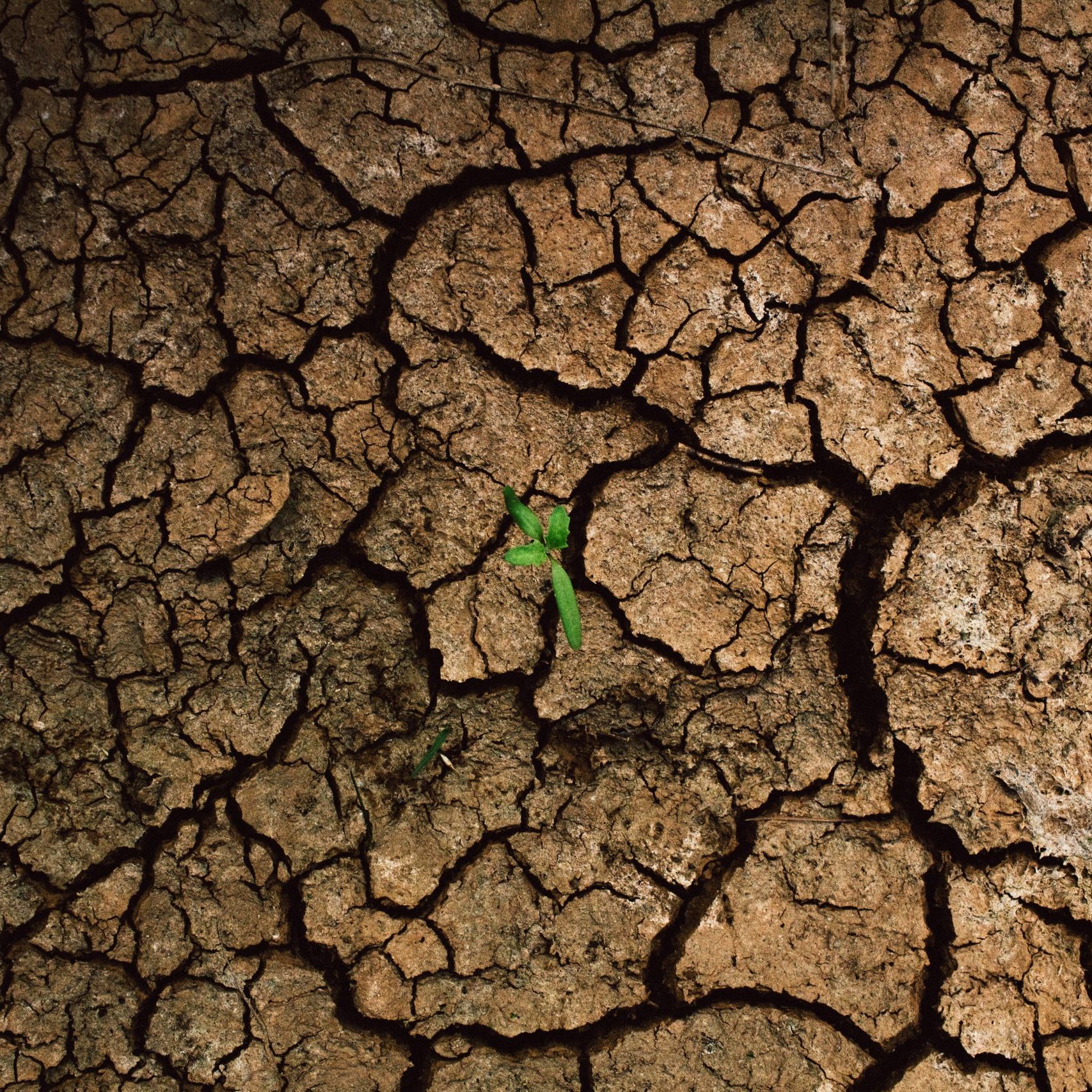
The UNCCD is an international framework dedicated to addressing three connected challenges: desertification, land degradation and drought [1]. Understanding the UNCCD’s work requires first clarifying the problems it was created to address. Desertification is often misunderstood as merely the expansion of existing deserts [2]. It also refers to land degradation in arid areas, and the decline in the biological or economic productivity of land, which includes soil erosion, salinisation, and vegetation loss [2]. Land degradation is increasing at a steady rate, as 15.4 per cent of the reported land by the UNCCD is degraded, which represents a 4 per cent increase over four years [3].
Land degradation rarely results from a single cause [4]. It is often driven by environmental pressures and human activity [5]. For example, intensive cultivation, deforestation and excessive water use can steadily deplete soil and vegetation [5]. These pressures are often intensified by poverty, conflict and weak governance, which may leave communities with little choice but to prioritise immediate survival rather than environmental sustainability [6]. These interconnected pressures therefore underscore the need for an international framework, such as the UNCCD, to coordinate collective action against land degradation while promoting sustainable land management.
The UNCCD’s approach to achieving its objectives
The UNCCD’s 2018-2030 Strategic Framework translates its mandate into priorities that include improving affected ecosystems, strengthening the living conditions of vulnerable communities, building drought resilience, generating wider environmental benefits, and mobilising the resources required for implementation [7].
One of its principal approaches is land degradation neutrality (LDN) [4]. It seeks to avoid degradation where possible and restore degraded land, so that the overall quantity and quality of productive land does not decline [4]. LDN is reflected in Sustainable Development Goal target 15.3, which calls for a land degradation-neutral world by 2030 [8].
Connecting global governance
The UNCCD was established in 1994 after the Rio Earth Summit and is one of the three ‘Rio Conventions’, alongside the United Nations Framework Convention on Climate Change (UNFCCC) and the Convention on Biological Diversity (CBD) [9]. Each Rio Convention has its own mandate and governing body, but their objectives overlap [9].
Because these consequences cross national and policy boundaries, the UNCCD cannot operate in isolation [10]. Restored soils and ecosystems can store carbon and strengthen adaptation, linking land policy to the Paris Agreement [9]. Biodiversity protection likewise depends on functioning habitats and sustainable land use. Article 8 of the UNCCD encourages cooperation with the other conventions to support alignment between climate plans, biodiversity strategies, and drought policies [11].
The implementation gap
The strength of the UNCCD’s framework does not remove the difficulties of implementation. International targets, however important, do not automatically change farming practices, land-use decisions or the management of water resources [12]. Progress is also difficult to measure, particularly where reliable data are scarce, or questions of land ownership and access remain contested [13].
Finance presents a further obstacle. Many countries lack the public resources and investment-ready projects needed to translate commitments into effective programmes [13]. Achieving the Convention’s targets is estimated to require USD 355 billion in annual investment between 2025 and 2030, while projected annual investment over the same period stands at only USD 77 billion [14]. This leaves an estimated USD 278 billion annual financing gap that will need to be mobilised if the UNCCD’s objectives are to be met [14].
The UNCCD provides a foundation for progress, as land degradation can now be understood not as an isolated environmental problem but a complex challenge that requires coordinated and sustained action.
Outlook for UNCCD COP 17
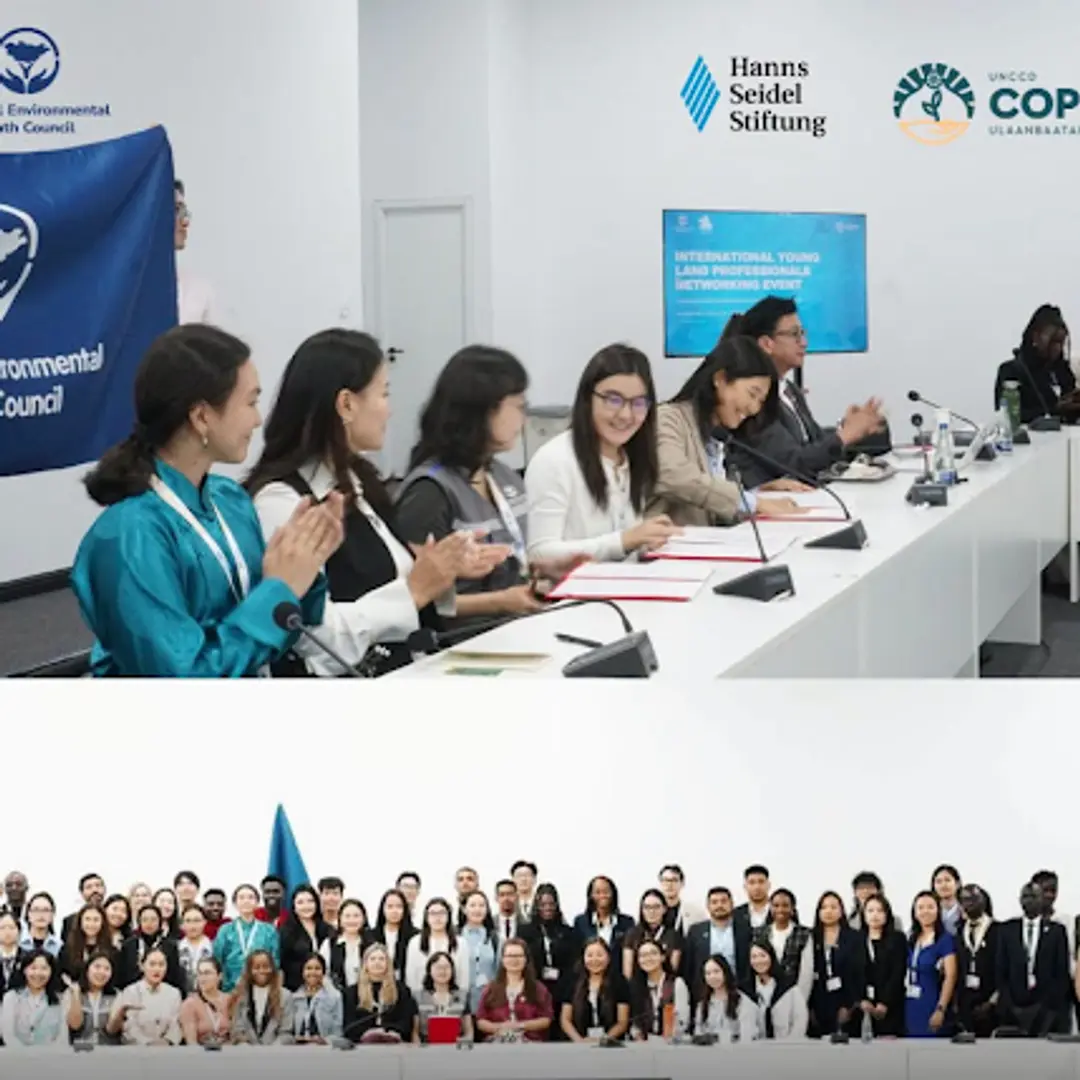
These priorities will be central to the UNCCD’s seventeenth Conference of the Parties, under the theme “Restoring Land. Restoring Hope” [15]. At the heart of the meeting will be the Riyadh-Ulaanbaatar Action Agenda, which is intended to bridge the gap between political decisions and practical, real-world solutions [15].
Regarding the outcomes, all stakeholders are hoping it will deliver clear expectations regarding progress on finance [16]. The Ministerial Dialogue on innovative financial mechanisms for healthy land and drought resilience, alongside the thematic ‘Finance Day’ at the conference, reflects the pressure to find new ways of closing the substantial funding gap facing land restoration and drought resilience [16]. Governments, development banks, and private investors will therefore be under scrutiny to demonstrate not only political support, but also how finance can be mobilised and directed towards the countries and communities facing the greatest impacts.
Because UNCCD COPs take place every two years, rather than annually like the UNFCCC’s climate COPs, expectations surrounding COP17 may be particularly high [15]. Its success is most likely judged not simply by the decisions adopted in Ulaanbaatar, but whether the decisions can turn into tangible benefits for vulnerable communities and ecosystems.