As the climate crisis accelerates, it is critical to strengthen multilateral cooperation, as no country can tackle it alone. The Ministerial on Climate Action (MoCA) supports this effort [1]. But what is this dialogue, and what is its role within the wider climate policy context? Below, its purpose, location, and attendees are discussed, along with whether the dialogue has been effective.
What is the purpose of the dialogue?
It first took place in September 2017, almost a year after the Paris Agreement (PA) entered into force, to build momentum for the implementation of the PA and demonstrate political commitment to global climate action [2, 3]. They are organised by the EU, Canada and China [4]. As a dialogue, it provides a space to exchange views and reflect on lessons learned [4]. Participants also outline their goals, expectations and priorities for the next sessions of the Subsidiary Bodies and governing bodies under the UNFCCC in June (if the dialogue takes place before June) and November [5]. This was also the case at the 10th MoCA [1].
Where did it take place, and who attended?
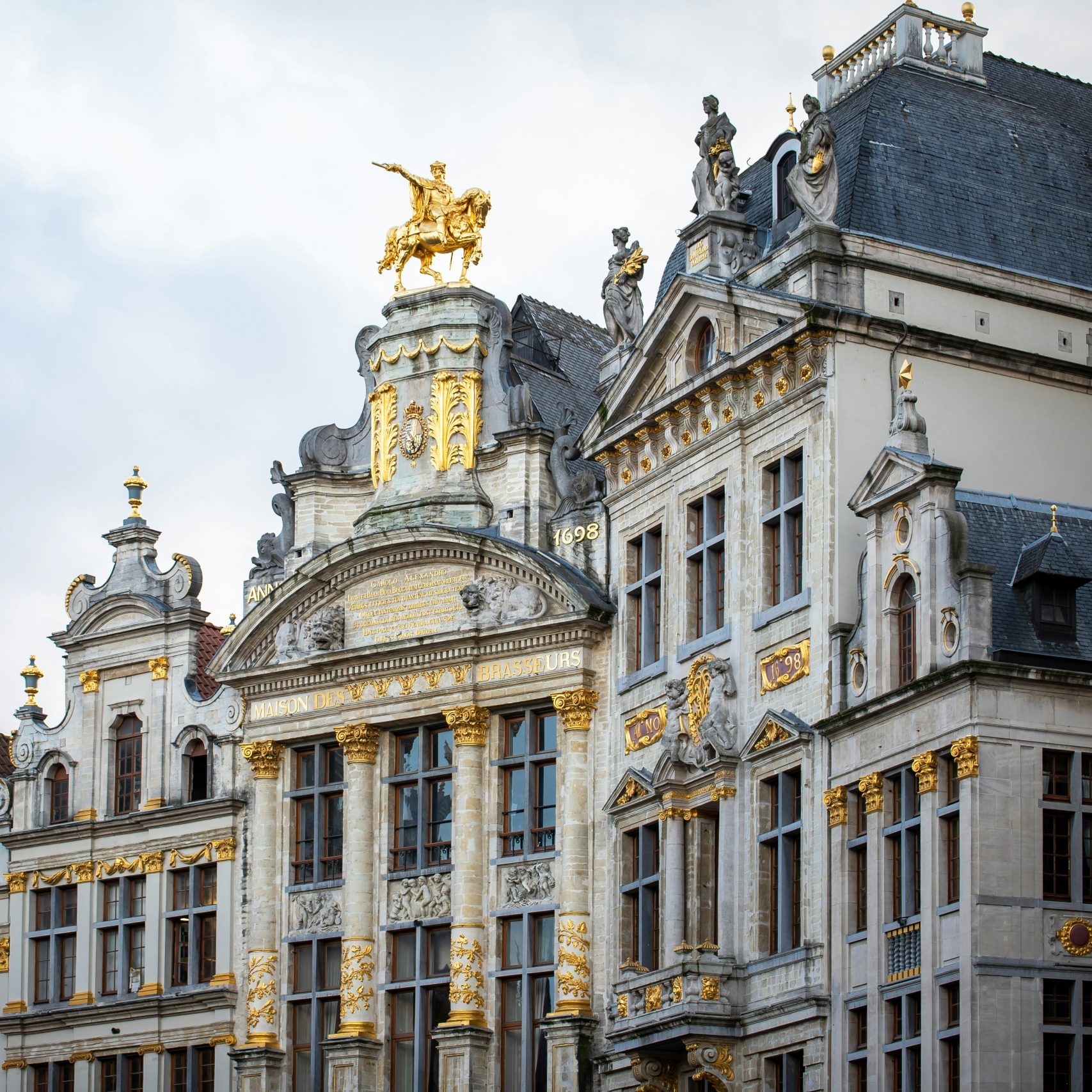
The 10th MoCA was held in Brussels on 22-23 June 2026, only 4 days after the end of the UN climate conference in Bonn [4, 6]. Ministers and senior officials from more than 25 countries attended the dialogue [7]. Canada was represented by Julie Dabrusin, Minister of the Environment, Climate Change and Nature [8]. China was represented by Chinese environment minister Huang Runqi [9]. The EU was represented by European Climate Commissioner Wopke Hoekstra [10]. The dialogue’s format consisted of plenaries during which attendees reflected on progress over the last decade and discussed expectations ahead of COP31 in Antalya, Türkiye [8, 10].
What did the attendees talk about?
Ministers at MoCA10 affirmed their intention to carry the mandate of the PA forward [9]. They agreed on the following:
- Extreme weather events are becoming more frequent and, combined with instabilities in the energy supply chain, are severely impacting the global economy [7].
- Net-zero and switching to clean energy are essential to sustainable growth [7].
- European and North American countries highlighted the need for more renewable energy, improving industrial decarbonisation and more finance for developing countries [7].
- Climate action is not just environmental policy but is part of a national strategy covering industry, trade, finance, and energy security [7].
MoCA10 represented the first of these dialogues where a Party (the U.S.) had exited the Paris Agreement [9]. The exit makes meetings such as these all the more important to strengthen international cooperation [9]. China’s environmental minister said that “The multilateral process will not stop, or even slow down, because of the absence of individual countries” while calling the low-carbon transition “irreversible” [9]. A sentiment echoed by the EU, with Commissioner Hoekstra saying that slowing the green transition was not an option [10].
Both Canada and the EU stressed that climate action, economic growth and competitiveness can go hand in hand, reflecting the current political climate where climate policy has been under severe scrutiny [11]. Hoekstra specifically mentioned the importance of electrification and climate science, particularly the role of the IPCC [10]. Looking ahead towards COP31, he called on Parties to submit their new NDCs [10]. On the outcomes of the first Global Stocktake, he noted several priorities: transitioning away from fossil fuels, expanding renewable energy, improving energy efficiency and strengthening climate resilience [10].
The dialogue reaffirmed Parties’ commitments, but what has been its impact?
Has the dialogue been effective?
Affirming the multilateral process is more important than ever. The dialogue has provided a space for Parties to galvanise on climate action outside the tense setting of SBs and COPs [5]. It is positive that no other Party has joined the USA in exiting the PA [9]. That attendees to MoCA10 affirmed they would continue moving forward with implementing the PA provides a positive signal to the world [9]. In theory, the dialogue may also help in anticipating the positions of Parties at the COPs, allowing them to consider the potential for finding common ground. It could provide momentum for creating coalitions of the willing.
However, while it is difficult, if not impossible, to measure the effect of the dialogue itself, given that it has limited tangible outputs, no substantive outcomes, and it lasts less than two days, it has not been able to alleviate the increasingly fraught negotiations at the COPs [12, 13]. What we need is something that breaks the status quo. The Santa Marta Conference is an important step in the right direction, with countries that attended the Santa Marta Conference calling it “refreshing”, “highly successful” and “groundbreaking [14, 15]. This does not mean that COPs and SBs are no longer needed, because they are, but rather that on their own, they seem to have been insufficient and unable to provide what we truly need to end the climate crisis.