Introduction
The Convention on Biological Diversity (CBD) is an international treaty for the conservation of biological diversity that has been ratified by 196 nations [1]. It originated as part of the Rio Conventions adopted at the Earth Summit in 1992 and has since played a critical role in shaping global biodiversity policies [2]. The Convention’s governing body is the Conference of the Parties (COP) which meets every two years to review and set plans [1].
Role of the Convention
The main objective of the Convention is to encourage actions that lead to a sustainable future [1]. The Convention focuses on urging participating nations to implement programmes and initiatives that help combat biodiversity loss.
The Convention addresses problems such as the need to protect ecosystems, species, and genetic resources in response to rising threats to biodiversity such as climate change, pollution, and habitat loss [1]. It also addresses issues such as regulating access to genetic resources, access to biotechnology, impact assessment, and national efforts to implement treaty commitments [3].
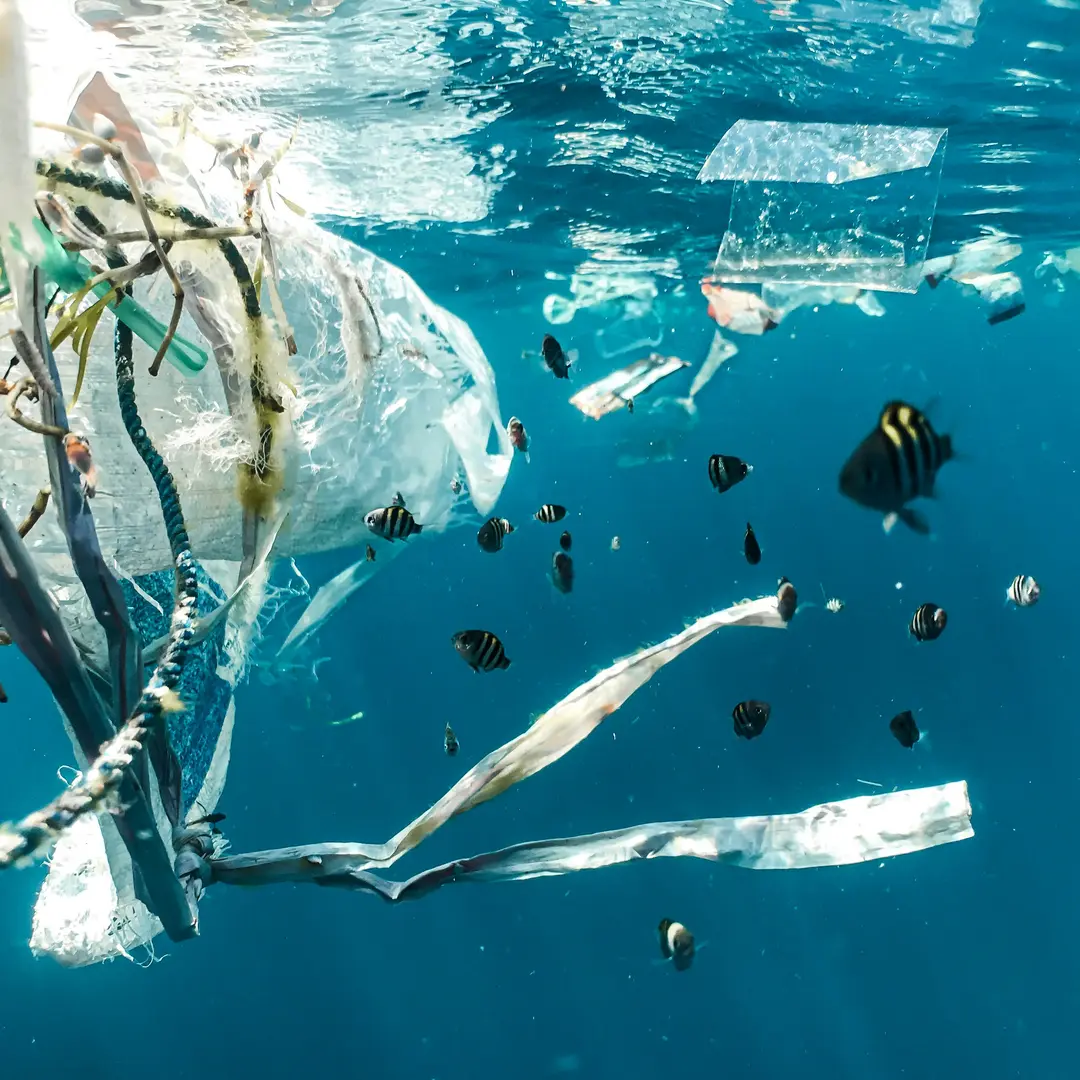
Underlying causes of biodiversity loss include human activities driving biodiversity loss through climate change, pollution, land and water use changes, overexploitation of organisms, and invasive species [4]. Overfishing, overhunting, and demand for exotic species are also driving biodiversity loss [5].
Addressing these issues is essential for maintaining the web of life, as families, communities, nations, and future generations depend on biodiversity [3]. Biodiversity loss has severe impacts on livelihoods and ecosystems. Real-world risks and consequences of loss of biodiversity include not only amplifying existing risks but diminishing coping capacities when governance is weak [6]. Safeguarding biodiversity is crucial for environmental sustainability but more importantly for fostering peace and global security [6].
Goals of the Convention
The CBD has three main goals:
- the conservation of biological diversity;
- the sustainable use of the components of biological diversity; and
- the fair and equitable sharing of the benefits arising out of the utilization of genetic resources [7].
The Convention works to achieve this through “scientific cooperation, tools and incentives, technology transfer and the active involvement of Indigenous peoples, local communities, youth, women, NGOs, sub-national actors and the private sector” [8]. The COP has also launched thematic programmes including the biodiversity of inland waters, forests, marine and coastal areas, drylands, and agricultural lands [3].
Under the Convention, governments are also required to develop National Biodiversity Strategies and Action Plans (NBSAPs) for the conservation of biodiversity and to integrate these into broader national plans for environment and development [9]. This is particularly important for such sectors as forestry, agriculture, fisheries, energy, transportation and urban planning [10].
The Convention also supported the establishment of international agreements like the Nagoya Protocol and Cartagena Protocol. Other initiatives like the Kunming-Montreal Global Biodiversity Framework aim to halt biodiversity decline by protecting 30 percent of the planet’s land and oceans by 2030 (30×30) [11].
The Convention is part of three international environmental treaties formed in 1992 at the Earth Summit in Rio de Janeiro, Brazil. Aside from the CBD, the United Nations Framework Convention on Climate Change (UNFCCC) and the United Nations Convention to Combat Desertification (UNCCD) were adopted [12]. Although each has its own focus, they all share a common goal of protecting the environment while supporting sustainable development [13].
Challenges of the Convention
The main challenges the Convention faces include slow progress after the Rio Summit in the 1990s due to economic crises, budget deficits, and local and regional conflicts [3]. Furthermore, some other major challenges include strengthening coordination within governments, making better use of technology, and improving public awareness [3]. Another challenge is that the Convention can be difficult to communicate to the public and there is little public discussion of how to make sustainable use of biodiversity part of economic development [3].
Some key challenges at the COP16 held in Cali, Colombia in 2024 included time constraints, the role (or lack thereof) of Indigenous communities, policy alignment, finance gaps, capacity building, stakeholder engagement, and corporate responsibility [14, 15]. Overall, there are numerous challenges for the Convention to address at COP17 in Yerevan, Armenia.
Conclusion
The Convention and COP play a vital role in coordinating international efforts to protect biodiversity and promote sustainable development. Through international agreements and national action plans, the Convention provides a framework for addressing the major causes of biodiversity loss. However, challenges such as insufficient funding and slow implementation continue to hinder progress.
Moving forward, COP17 will be an important opportunity for countries to improve cooperation and ensure that agreed targets are translated into effective action. Ultimately, protecting biodiversity requires not only international agreements but also adequate resources and the meaningful involvement of governments, Indigenous peoples, local communities, and the wider public.