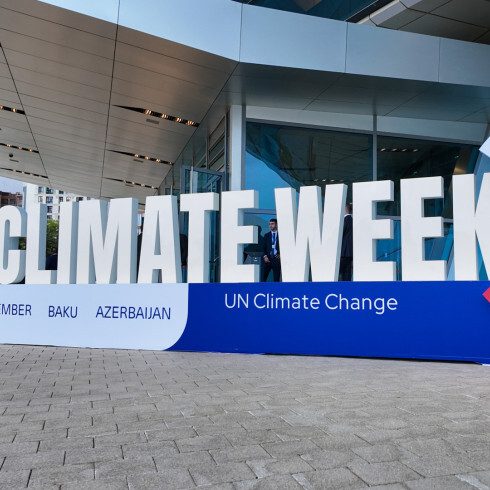
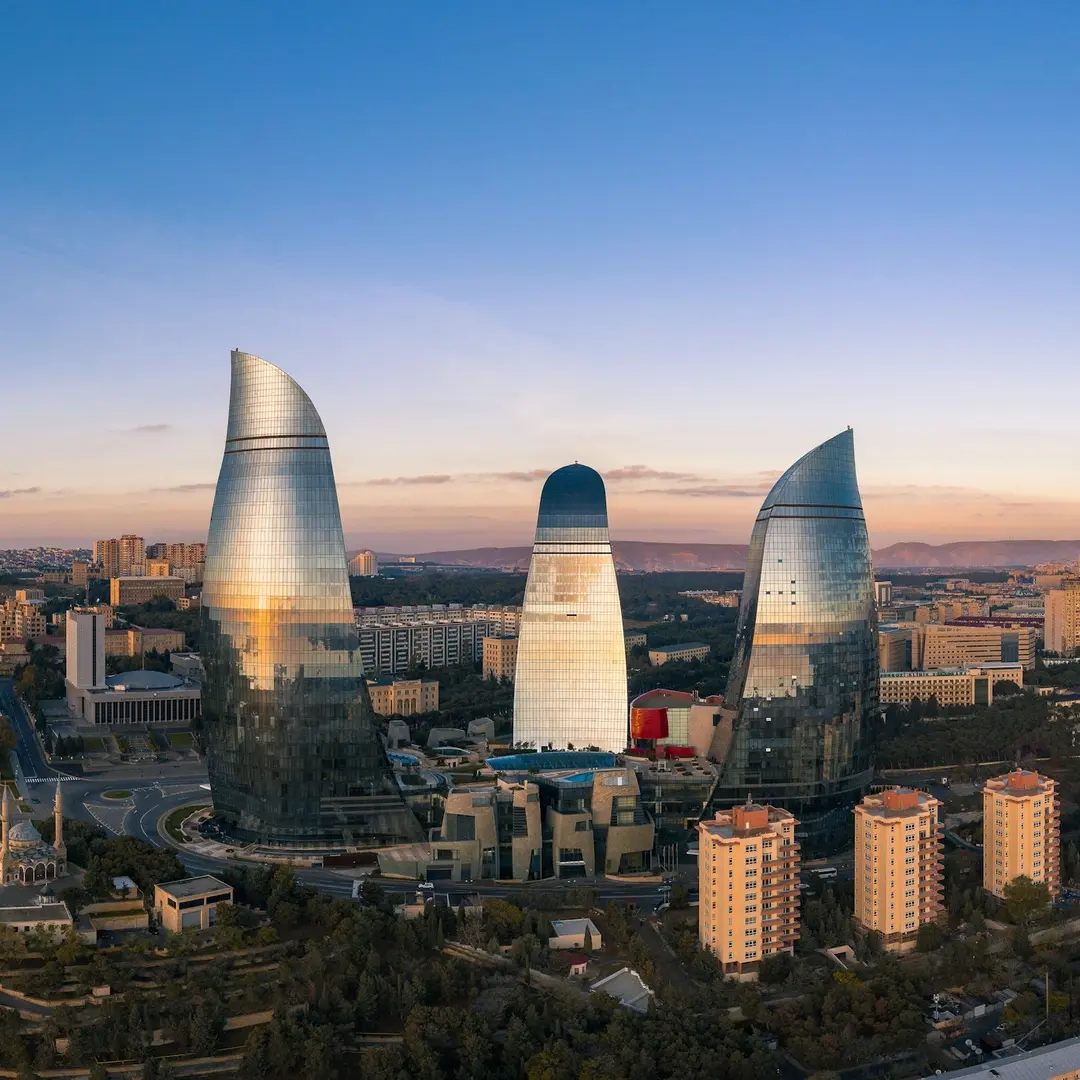
At the 13th session of the World Urban Forum kick-started in Baku, Azerbaijan last May, participants from around the world gathered under the message of “Housing the world: Safe and resilient cities and communities” [1]. Organized by the UN Habitat, the forum takes place on a biennial basis and brings together governments, cities, civil society, youth, academia, and partners to discuss and work on solutions regarding housing, urban planning, and governance [1].
Hitting a record number of attendees in the history of the forum, WUF13 offered a critical platform for challenges around urban development with significant relevance for climate action, inclusive urban governance, and youth participation [2]. Revolving around six high-level dialogues, the forum positioned sustainability as core priority, including renewable energy, waste diversion, accessibility, social equity, and youth inclusion [3]. It emphasized that housing cannot be separated from climate resilience, access to services, and meaningful public participation.
Climate and housing nexus
During the forum, the climate-housing nexus showed that housing is strongly interlinked with both the climate crisis and possible ways to address its consequences. Floods, heatwaves, and storms were highlighted as challenges exacerbating housing insecurity, while buildings and infrastructure were underscored as one of the major sources of emissions and energy demand [9]. In other words, housing is extremely exposed to climate change risks, while the construction and building sector remain major drivers of global emissions. As such, environmentally sustainable infrastructure that is also resilient in face of climate damage can play a significant role in reducing emissions and strengthening housing security, making climate-responsive housing policy important for both mitigation and adaptation [9].
Numerous delegations emphasized the close connections between sustainable development, housing, urban planning, and climate action. This was particularly evident for Small Island Developing States such as Guyana, the Maldives, Papua New Guinea, Comoros, Palau, and the Solomon Islands, whose housing systems are more susceptible to extreme weather, rising sea levels, and restricted access to climate finance. Additionally, ministers emphasized that clean air is a concern for public health, quality of life, sustainable urban development, and the environment [8].
Moreover, within the context of the climate-housing nexus, young people are one of the groups that are affected disproportionately. Because extreme weather, flooding, heat, and displacement make it harder for them to find or keep safe and affordable homes, especially when they already face lower incomes or insecure living conditions [13]. Climate impacts also delay young people’s transition to financial independence and stable housing, which deepens inequality and leaves them more exposed to unsafe or inadequate shelter. In this sense, housing is not only a shelter issue, but also part of the wider climate justice challenge for younger generations [13].
Youth at the center
One of the key messages from WUF13 was that young people are not passive beneficiaries of urban policy. Instead, they are already shaping cities through advocacy, data, and community-led innovation [4]. As stressed during the Children and Youth Roundtable, youth continue to lead climate action, generate local data, and create new forms of civic engagement, especially in contexts affected by housing insecurity and climate shocks [4]. From a broader perspective, the WUF13 contributed to the shift toward recognizing youth as partners in decision-making, rather than simply participants of consultation processes.
Children and youth assembly
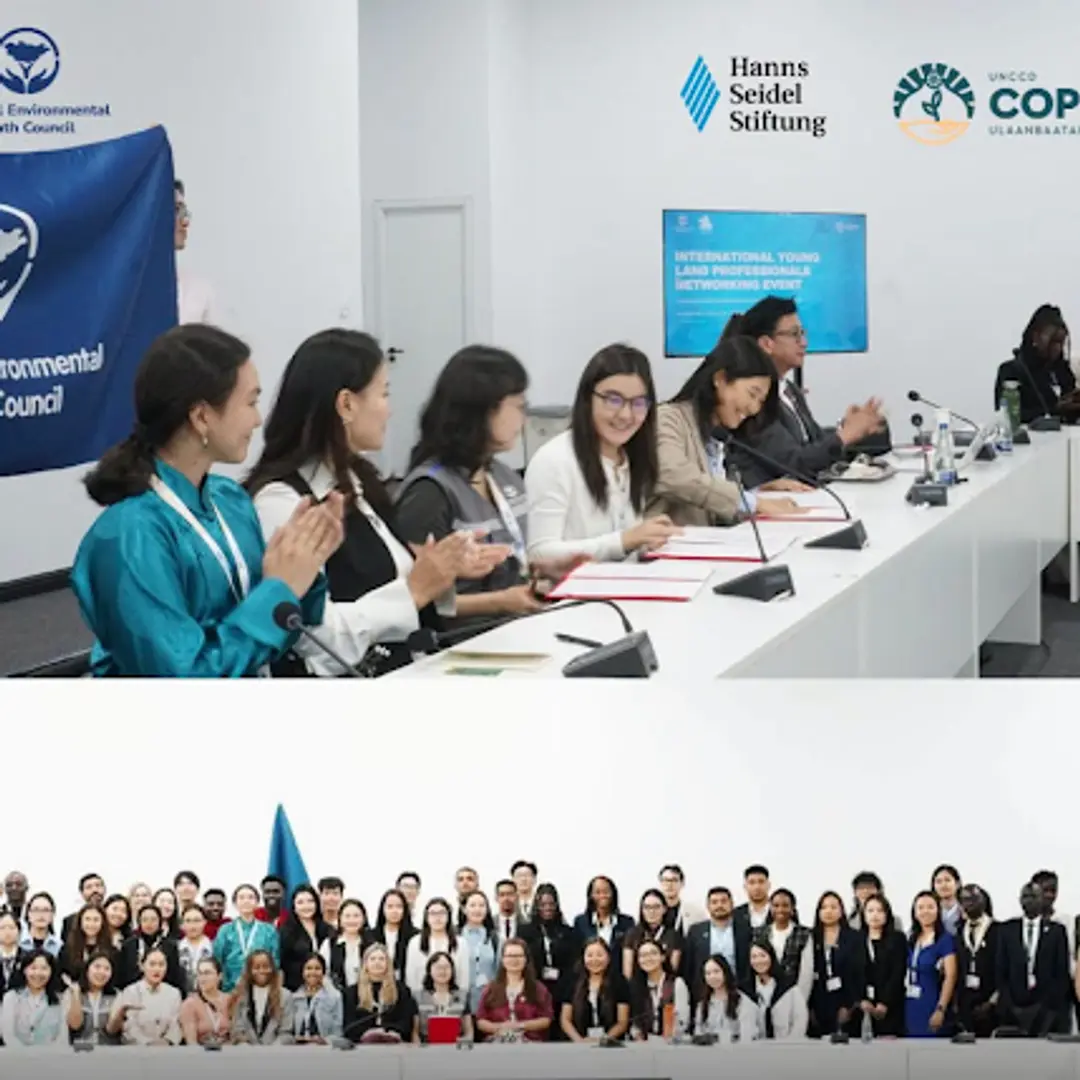
Designed as a “Solutions Lab,” the Children and Youth Assembly connected grassroots youth innovation with global urban policy [6]. It was not treated as a side event, but as a structured part of the Forum’s stakeholder-led process, with children, youth, and other stakeholders helping shape its discussions and outcomes [7]. The assembly set the ground for the co-creation of the Baku Call to Action, the main outcome document of WUF13, and enabled a participatory process involving children, youth, and stakeholders to ensure representation and diversity [7]. By contributing to the youth coalitions around housing, climate resilience, and urban justice, the platform set youth priorities on adequate housing, and meaningful participation in urban decision making [6].
The Assembly led to the creation of the Global Youth DeclarAction outlining priorities and recommendations for decision-makers [7]. The main discussion points revolved around several objectives: identifying barriers hindering access of children and youth to adequate housing and planning their neighborhoods, defining the livable city agenda beyond just lack of housing, promoting progressive housing policies and financial models to combat structural inequalities, and showcasing scalable solutions where youth are already addressing livability challenges, emphasizing intergenerational collaboration [6].
Beyond the Baku Call to Action, the Children and Youth Assembly and Global Youth DeclarAction also informed broader frameworks like the 2036 Review of SDG 11 and the New Urban Agenda [7]. It reinforced the need for youth-led solutions to be embedded in formal policy follow-ups, rather than be left as symbolic statements [7]. This makes the Children and Youth Assembly one of the most important spaces at WUF13 for linking climate justice, housing rights, and participatory urban planning.
While the Baku Call to Action was one of the key outcomes of WUF13, it is not a legally binding policy document. The Baku Call to Action is a stakeholder-driven outcome document based on consultations and deliberations, and it does not constitute a negotiated intergovernmental outcome or impose direct legal obligations on governments. Instead, WUF13’s outcome documents provide political guidance, encourage cooperation, and seek to influence national and local policies [3].
Policy significance
The 2036 review of SDG 11 and the New Urban Agenda represent major frameworks for global urban policy [11]. The New Urban Agenda includes a built-in midterm review because its implementation period runs from 2016 to 2036, making 2026 an important point to assess progress, identify gaps, and renew political commitment [12]. WUF13 contributed directly to this process through the Baku Call to Action, which collected stakeholder priorities and set out fifteen outcomes intended to inform the midterm review and related UN discussions [11]. WUF13 helped shape both the New Urban Agenda review and the longer-term SDG 11 follow-up by translating urban debates on housing, resilience, and governance into policy priorities that can guide future implementation.
WUF13 reframed housing as a core resilience system rather than a narrow shelter issue. A major policy contribution of the forum was its push to treat resilient housing as an urban systems challenge [1]. The discussions emphasized that housing policy should connect land, infrastructure, basic services, building codes, and financing so that homes can withstand climate impacts and service disruptions [9]. The Baku Call to Action reinforced this by calling for nature-based, community-led, and locally grounded approaches that strengthen resilience while reducing environmental harm [9].
The forum also connected housing to broader sustainability goals such as inclusion, equity, social protection, and environmental responsibility [3]. H.E Nga Kor Ming, Malaysia’s Housing Minister and President of the UN-Habitat Assembly, called urban planning a national necessity and highlighted the pressures created by housing affordability, climate change, and social inclusion. During the Ministerial Meeting on New Urban Agenda, many speakers highlighted progress in national development plans, housing policies, land policies, SDG-aligned strategies, and national reporting procedures as part of the national policy, legal, and planning frameworks for sustainable urbanization [8]. This shows that housing is not only part of the urban agenda but also a lever for achieving SDG 11 and other sustainability targets [10].
This progress is expected to be further advanced in the upcoming World Urban Forum, WUF14, which will be held in Mexico City in 2028. WUF14 is expected to build on WUF13’s momentum by advancing housing, climate resilience, and implementation of the New Urban Agenda before the 2030 deadline [14].