
Source: https://ec.europa.eu/info/food-farming-fisheries/farming/organic-farming/organic-logo_en
The Origin
Before the 1990s, in Europe, several private organic agriculture organisations, operating in different countries, regulated the organic sector and created their own logos [3]. However, the EU realized that common regulation was missing. For this reason, in 1991, the EU started regulating the organic sector [4]. The EU organic regulation is legally binding for all EU countries, and it aims to guarantee consumer confidence and ensure fair competition for all the farmers and operators at all stages of production [5].
Main Characteristic
The main rules that are listed in the EU organic regulation are the following [6]: avoid genetically modified organisms (GMOs); rely on green energies; maintain and improve soil fertility; avoid soil erosion; implement crop rotation; transform organic waste into resources; respect high animal welfare standards; only products with at least 95% by weight of organic ingredients can be labelled with the EU logo; the list of ingredients shall indicate which ingredients are organic; produce high-quality food; and promote rural development. Besides this, private and national logos operating in different EU countries must follow all the rules of the EU organic regulation as a benchmark, and their logos can be displayed next to the EU logo. Furthermore, the terms ‘biologic’, ‘ecologic’, and ‘organic’ are interchangeable and all of them, and their derivatives or diminutives, are protected under the EU organic regulation.
On the other hand, EU organic regulation is under constant improvement and includes additional regulations and implementing acts (e.g. relating to trade with third countries, and organic wine).
How are Organic Farmers, Producers and Distributors Inspected
The control system of organic products has different stages. Firstly, national governments choose one or more competent authorities, which are the main bodies responsible for ensuring compliance with EU organic regulation in a particular country [7].
Then, the competent authorities can select one or more control authorities (public entities). These control authorities can choose one or more control bodies (private entities) to inspect operators in the organic food chain (see figure 1) [6]. All organic operators are inspected at least once per year [7].
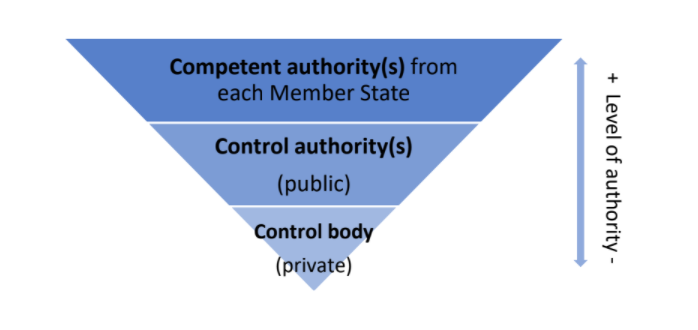
Figure 1 The control system of the organic production (author’s own elaboration)
The EU Organic Logo
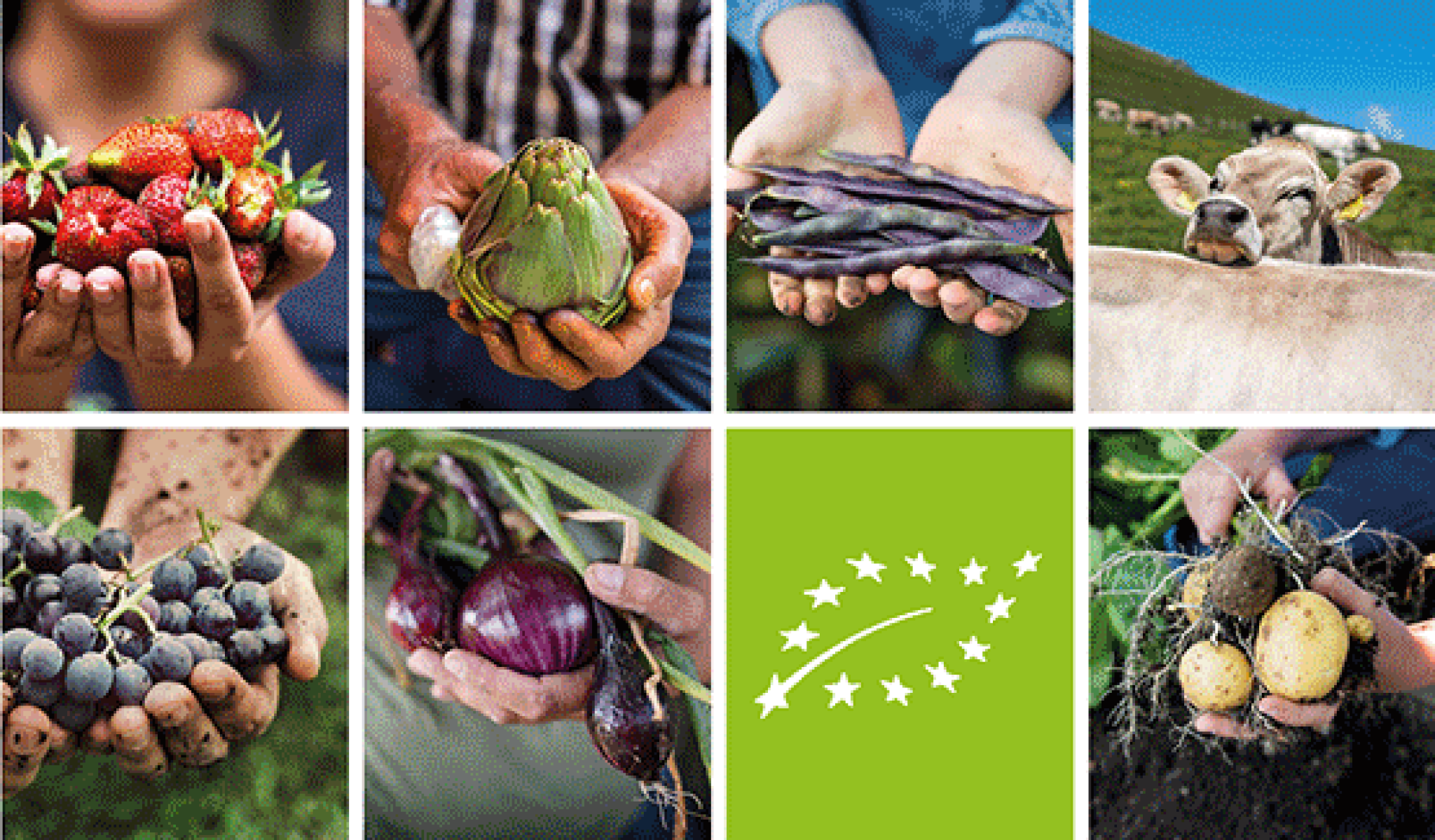
In 2010, the EU organic logo came into force. This can only be used on products that have been certified as organic by an authorized control authority or body. This means that they have fulfilled strict conditions on how they are produced, transported and stored [6].
For this reason, below the logo (see example in figure 1), the code number of the control authority or body must appear, together with the place where the raw materials have been farmed: EU agriculture, non-EU agriculture, EU/non-EU agriculture, or the name of the country if all the ingredients come from a single place [8].
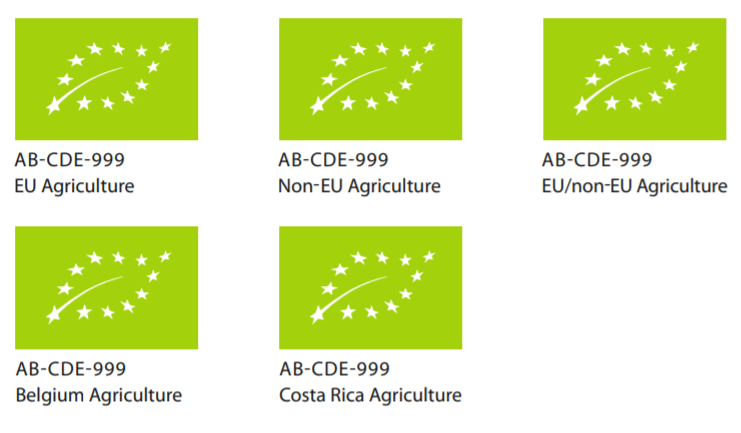
Figure 2 Examples of the EU organic logo. Source: https://ec.europa.eu/info/food-farming-fisheries/farming/organic-farming/organic-logo_en
If you want to learn more about EU organic regulation, or how to become an organic farmer or producer, visit: