
Everywhere you look, brands promise to be “green”, “eco-friendly”, or “climate-neutral”. But how much of it is real? And how much of it is a marketing spin? The United Nations defines greenwashing as the practice of companies or other actors misleading the public by exaggerating or fabricating their environmental efforts[1]. The Forest Stewardship Council notes that this often involves vague slogans or nature-inspired images that conceal harmful practices[2]. Whether intentional or not, this misinformation blurs the line between genuine sustainability and clever storytelling, making it harder for consumers to know who is truly protecting the planet and who is just selling the idea of it.
What is Greenwashing and How Does it Work?
Greenwashing usually begins with the growing pressure on companies and governments to appear sustainable. As “being green” becomes a marketing advantage, companies and politicians emphasize selective facts to appear environmentally responsible while continuing business as usual [1,3]. The United Nations explains that this practice allows organizations to present themselves as part of the climate solution, without actually implementing any meaningful changes [1]. The Forest Stewardship Council highlights that persuasive language and imagery can create a false sense of credibility, making harmful practices appear responsible [2].
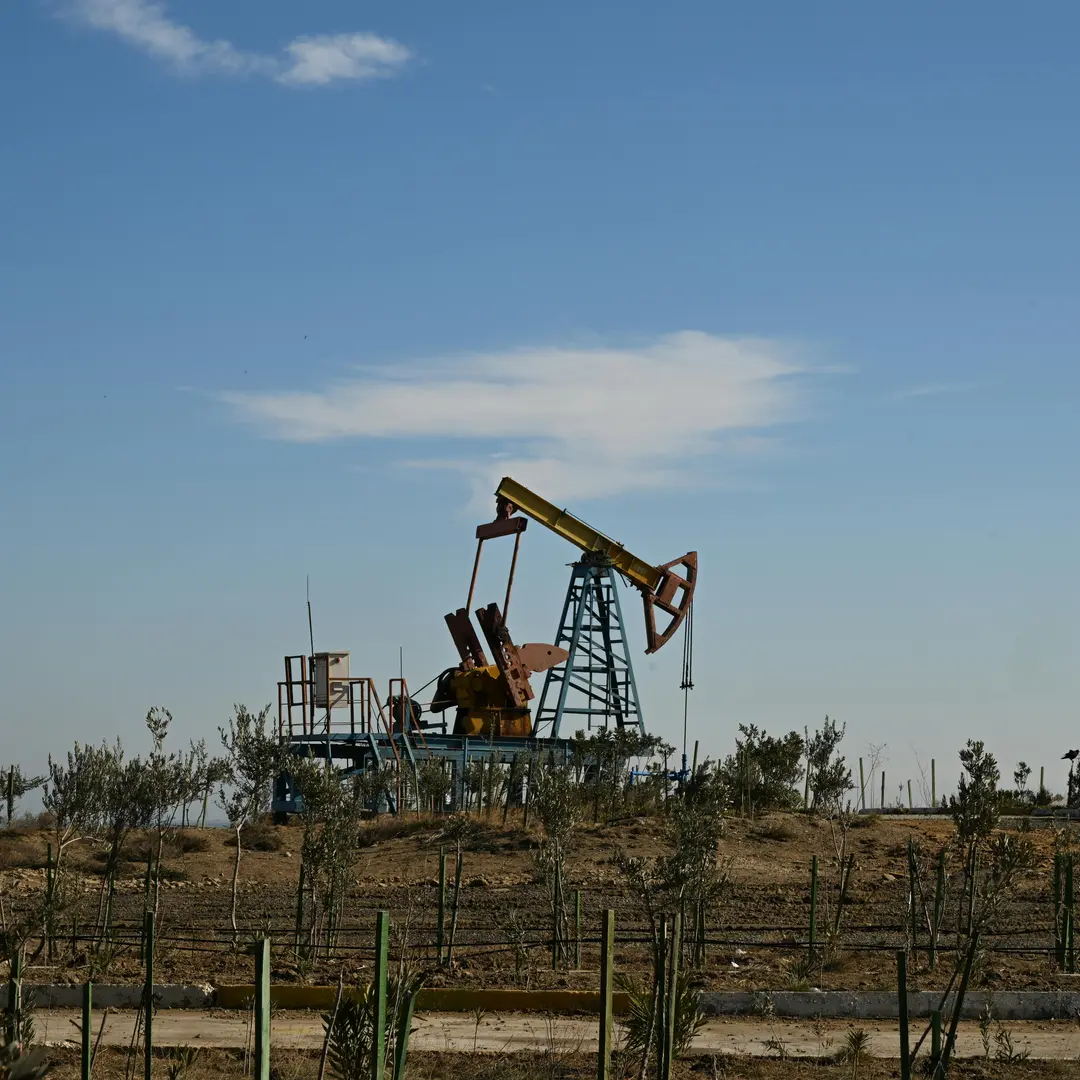
Across sectors, greenwashing takes different forms: fashion brands such as H&M have promoted “conscious” collections that were later found to mislead consumers about their environmental impact, while airlines like Ryanair had their adverts banned by regulators for falsely claiming to be “Europe’s lowest-emission airline” [4]. Energy giants, including Shell, have also had their adverts prohibited after overstating their investments in renewables [4,5]. These tactics extend beyond marketing: for instance, at COP28, several fossil fuel-producing states promoted new oil and gas projects while pledging “net-zero leadership”, using the language of climate ambition to justify continued extraction [1,6].
Greenwashing plays on people’s desire to make sustainable choices. By presenting perception as reality, it confuses citizens and slows collective progress on the climate crisis [1,2,6].
Why Greenwashing Matters and Who Pays the Price
Greenwashing extends far beyond misleading adverts or fashion campaigns. In fact, it shapes politics, economies, and livelihoods worldwide. The Harvard Law School Forum warns that false sustainability claims reward those who seem green over those who act [3]. By shaping public opinion, this misinformation helps governments and industries justify new fossil fuel projects as part of the “transition,” while real climate solutions (like phasing out oil and gas) are postponed.[6].
In China, the world’s largest solar plant has been praised as a symbol of clean energy leadership, yet Atmos reveals that it also masks human rights abuses in Xinjiang, where Uyghur people face forced labour [7]. In Tanzania, a carbon credit project promoted as climate-friendly displaced nearly 100,000 Maasai residents. This is a clear example of “green colonialism” that perpetuates old patterns of exploitation under the guise of sustainability [8]. Even in the fashion sector, waste exported from Europe and North America to Ghana exposes how “recycling” campaigns can cause environmental injustice in the Global South [9].
Greenwashing matters because it reshapes the story of climate action itself. When sustainability becomes a tool of power instead of a promise for change, those already living on the frontline of the climate crisis lose visibility and voice.
Fighting Back: How to Recognize and Resist Greenwashing.
Combatting greenwashing requires both policy change and public awareness. The United Nations Environment Programme urges transparency in all climate communication for sustainability claims to be trusted [1]. Around the world, institutions are responding. The Green Claims Directive, proposed by the European Commission in March 2023, would require companies to verify environmental claims before marketing them, thereby limiting vague terms such as “eco-friendly” or “natural.” [10]. The proposal is still under negotiation, and political resistance from some member states and conservative groups has slowed progress within the European Parliament [11].
Progress is also about protecting citizens. The EU Agency for Fundamental Rights highlights that combating greenwashing means defending consumer rights and ensuring that no one is misled into making unsustainable choices [12]. Similarly, the Forest Stewardship Council reminds us that transparency and third-party certification are key to rebuilding public trust [2].
Individuals also have power. Global Climate Initiatives advises checking whether brands provide traceable data and credible certifications before believing “green” slogans [13]. For deeper insight, readers can also turn to Atmos, which documents how greenwashing affects social and environmental justice worldwide [9]. Whether through awareness, regulation or collective action, resisting greenwashing begins with demanding transparency from those who profit from the planet’s image.
True climate action begins when honesty matters just as much as ambition.