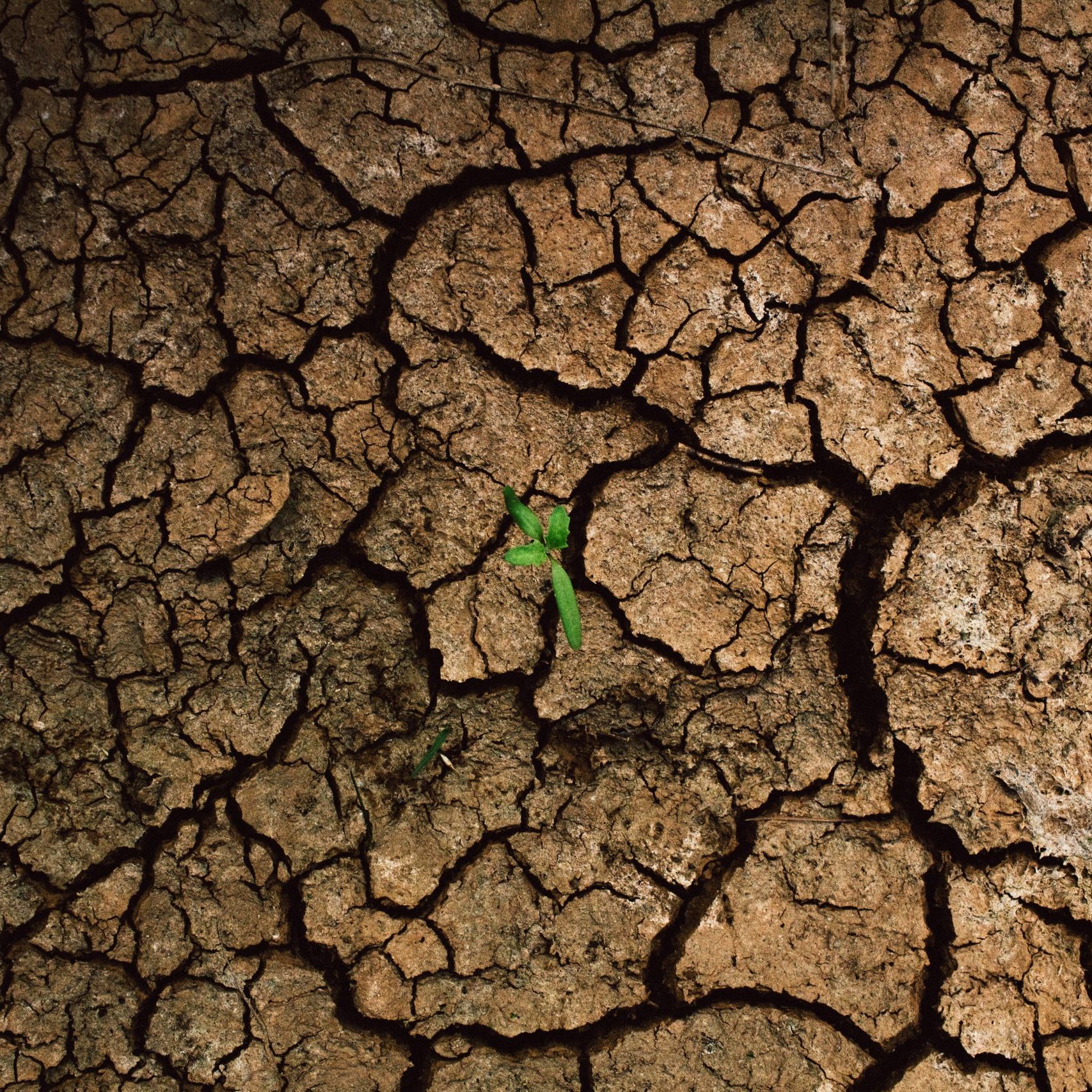

Held in Ulaanbaatar, Mongolia, from 17-28 August 2026 under the theme “Restoring Land. Restoring Hope.”, the 17th Conference of the Parties to the UN Convention to Combat Desertification (UNCCD COP17) was framed around moving from commitments to implementation [1]. The urgency was evident when looking at the scale of the challenge at hand, where up to 40% of the world’s land is degraded, and human-induced degradation is already reducing crop yields for around 1.7 billion people [2,3]. Agriculture accounts for more than 70% of global freshwater withdrawals, making land, soil, and water degradation interconnected rather than separate environmental problems [4]. The host country Mongolia itself is a critical case, where nearly 77% of its land is affected by degradation, and the 2023-24 drought and dzud cycle killed more than seven million livestock [1,2]. COP17 therefore arrived with a clear test: could countries move from restoration targets and emergency drought response towards investment, prevention, and coordinated action?
Rangelands and finance emerge as key wins
The clearest advance came on rangelands. Covering 54% of the Earth’s land surface and supporting around two billion people, rangelands have historically received far less policy and investment attention than forests. COP17 launched the Rangelands Flagship Initiative, bringing together a US$1.2 billion portfolio across 45 projects, while Parties strengthened recognition of pastoralists as land stewards and highlighted the importance of tenure, mobility, and traditional knowledge [2].
Country-level action gave this agenda greater substance. India reported restoring 21.76 million hectares of land between 2011 and 2020, while also championing community-led rangeland restoration that treats pastoralists as custodians, including through Rajasthan’s Orans and integrated approaches linking grazing, watersheds, and livelihoods [5, 6]. Brazil, meanwhile, presented a new voluntary Land Degradation Neutrality target with 17 sub-targets, including the restoration or recovery of more than 163,000 square kilometres by 2030 [2].
Finance also moved closer to the centre of the land agenda. Developed-country governments such as Germany, Luxembourg, and Spain made targeted commitments, while multilateral development banks backed projects across Africa and Asia; together these efforts contributed to a US$1.3 billion portfolio for land restoration and drought resilience across 23 countries [2]. The Asian Development Bank separately launched the FIELD Initiative, which aims to mobilise at least US$2 billion by 2035 for land restoration and drought resilience across Asia and the Pacific [7]. COP17 also launched the Drought Resilience Investment Facility, targeting up to US$400 million in public and private capital, alongside a new Drought Resilience Index to help countries assess preparedness [2]. These initiatives are significant because they begin treating healthy land and drought resilience as economic and development priorities, rather than niche conservation issues.
The biggest misses were political
COP17’s biggest unresolved issue was drought governance. Parties once again failed to agree on a common global instrument after COP16 reached the same impasse [8]. The African Group continued to support a legally binding drought protocol, while developed countries including the United States opposed the approach. Negotiations were deferred to COP18 in 2028 [8].
This delay matters because droughts are already outpacing the institutions designed to manage them. OECD estimates suggest that economic loss and damage from droughts are increasing by around 3-7.5% annually [9]. Prolonged drought damages vegetation, accelerates soil degradation, and reduces agricultural productivity [3]. Without stronger coordination, governments risk paying for drought impacts after they occur rather than being well-equipped to reduce vulnerability beforehand.
While the prioritization of finance is a win, there remains a significant gap between the financing announced and the financing required. The UNCCD estimates that around US$355 billion is needed annually through 2030 to meet global land restoration needs, compared to the US$77 billion currently invested [2]. Of COP17’s US$1.3 billion portfolio, only US$216.4 million was already confirmed and moving towards implementation [2].
COP17 also exposed wider strains in environmental multilateralism. Land degradation threatens the livelihoods of half the world’s population, with particularly significant consequences for communities whose livelihoods depend directly on land and natural resources. Indigenous peoples, who make up just 5% of the global population, depend on around 22% of the world’s land ecosystems, while nearly 80% of women in developing countries work in sectors directly tied to land and natural resources [9]. Some of the sharpest overlaps between land degradation, poverty, and food insecurity are found in northern India, Ethiopia, Madagascar, and parts of West Africa [3]. As land productivity declines, the consequences extend beyond ecosystems to food security, poverty, health, gender equality, and economic livelihoods, making distributive justice an important dimension of effective land and climate action [10]. However, formal consideration of gender, civil society participation, and synergies with the other Rio Conventions was blocked following objections from the United States [8].
The path ahead to COP18
The ultimate measure of COP17 is what will be achieved before COP18, which is set to be held in Sharm El-Sheikh, Egypt in 2028 [8]. Finance portfolios need to become funded projects, while restoration targets need to demonstrate improvements in soil health, water retention, food security, and livelihoods.
While COP17 brought greater recognition and financing to rangelands, its impact will depend on whether restoration addresses the inequalities embedded within them. Women produce 60-80% of food grown in developing countries, but only own a fraction of the land they work [9]. As such, recognising pastoralists as stewards must be matched by secure tenure, mobility rights, access to finance, and meaningful participation in restoration decisions.
COP17 moved the UNCCD closer to implementation, but it also showed the limits of implementation without stronger governance. The next phase of global land policy must connect land, water, agriculture, and climate resilience rather than address each through separate targets and institutions.