Jun 25, 2025 | Climate Justice, Energy
Indonesia is home to the largest nickel reserves in the world. In 2023, 54% of global mined nickel production came from the country, and the figure is predicted to reach 80% by 2040 [1, 2]. Previously used primarily in alloys like stainless steel, the recent...

Jun 25, 2025 | Climate Justice, Energy
Indonesia’s nickel reserves have given the country a key role in clean technology supply chains. As the global economy moves towards a just transition to a less carbon-intensive, more sustainable world, Indonesia and its international partners face a balancing...
Oct 29, 2024 | Climate Justice, October 2024
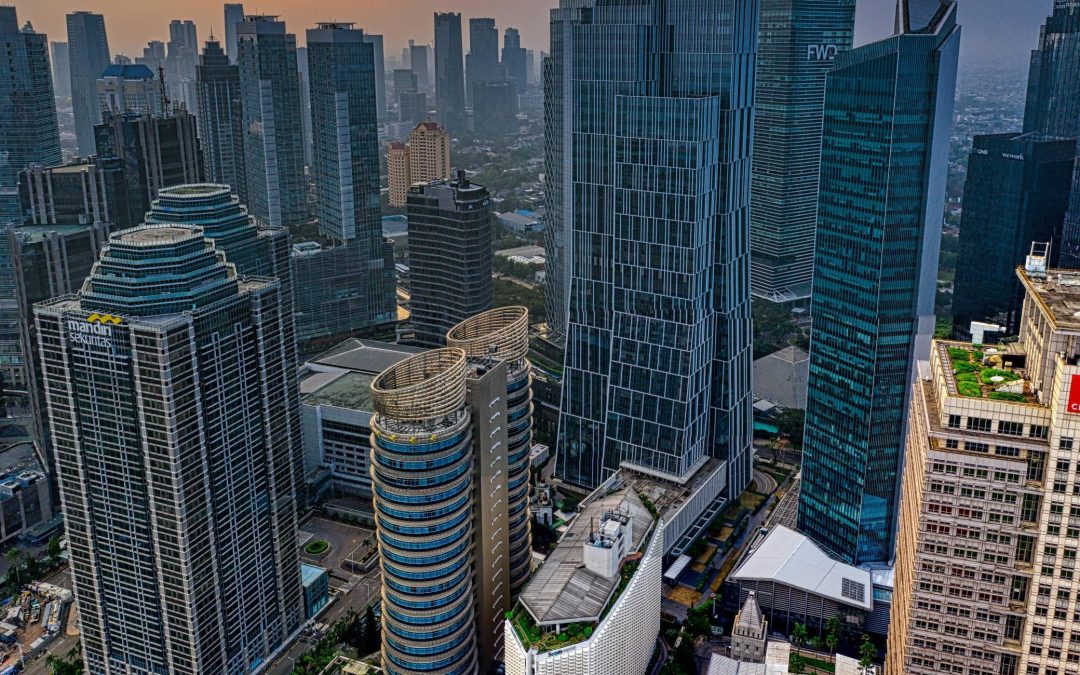
17 August marked a historic shift for Indonesia, as the nation held its Independence Day celebrations in both Jakarta and its newly designated capital, Nusantara, located in East Kalimantan, Borneo. The relocation of the capital is driven by urgent concerns,...