The climate crisis is increasing the frequency of extreme weather events. Traditionally, people take out insurance to hedge against such risks [1]. Insurers, in turn, hedge against the risk of large payouts by covering many policyholders and investing the insurance premiums [2,3]. But what happens when the risk cannot be accurately quantified or becomes too large? The relation between insurance and climate risks is multiple. The insurance industry is part of the solution, yet it also contributes to the problem and is affected by climate change. This article explores this relationship further.
Cause and Solution
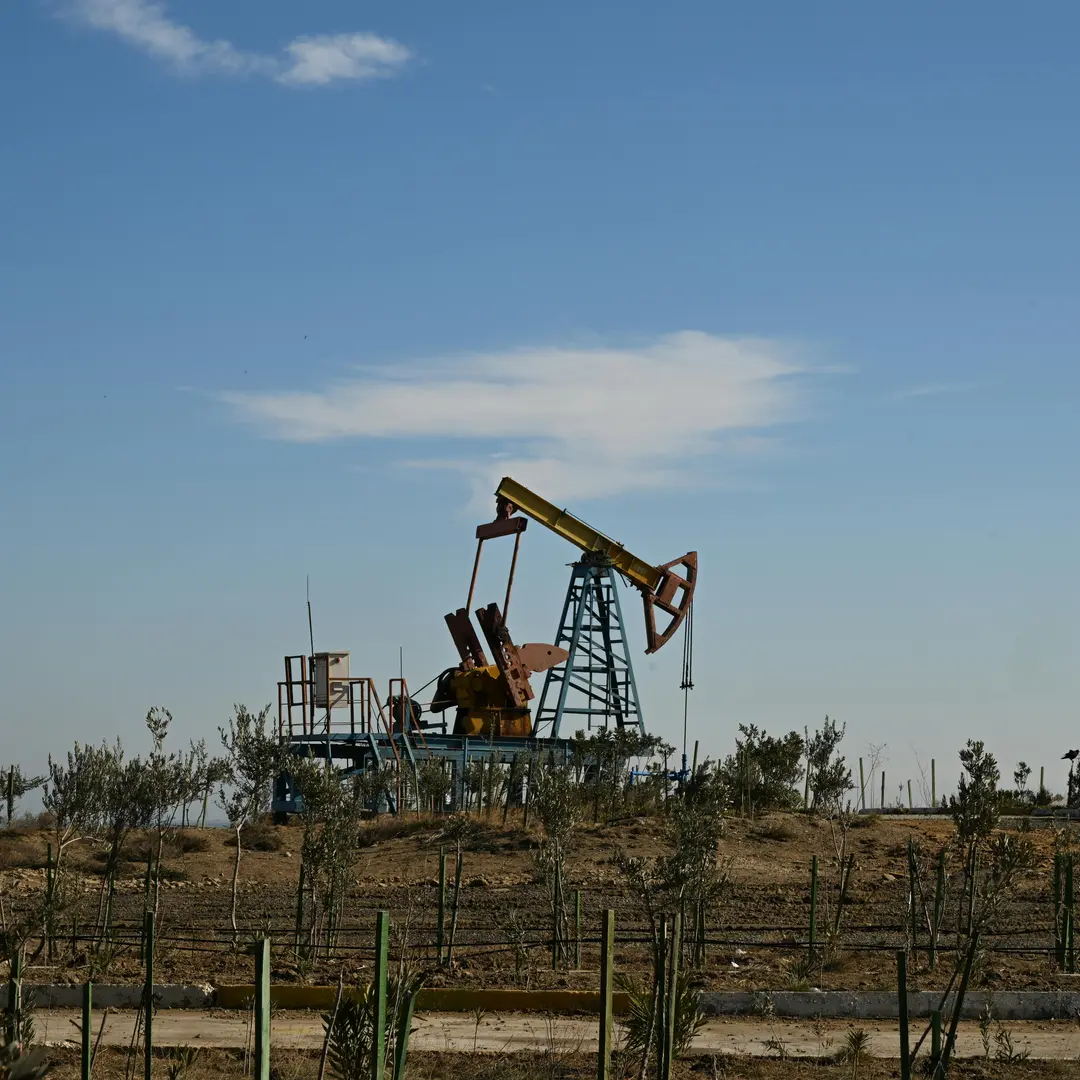
The insurance industry has listed the climate crisis as the main threat to global society for the last five years and is calling for more adaptation action [4,5]. Yet at the same time, it continues to contribute to the very same crisis [6]. Firstly, insurers can use people’s premiums to invest in new fossil fuel projects, which paradoxically means that many insurance policyholders may be investing against their own future [7]. For example, in 2019, US insurers had 582 billion USD invested in fossil fuel projects [8]. Secondly, fossil fuel projects require insurance themselves, and insurers could refuse to insure them if they wanted to. Refusing would mean those projects could not be built at all [7].
However, insurance is also used as an adaptation measure. For example, Agriculture and Climate Risk Enterprise Ltd. (ACRE) supports local insurers to offer smallholder-focused insurance across value chains [9]. ACRE shields small-scale farmers from unexpected losses by offering innovative insurance solutions such as its flagship weather index insurance [10]. Rather than expensive on-site visits, it relies on weather data and satellite imagery. Payouts are triggered when conditions are met based on comparison to historical data to determine what is ‘normal’. It provides a simple, affordable, fair and fast system. Coverage can be tailored on the individual farmer level [11].
These contrasting roles make robust climate risk assessment essential for insurers to manage their exposure and guide their actions.
Assessing climate risks
Quantifying climate risks is central to the insurance industry. After all, you can’t manage what you can’t measure. However, several issues make the process of quantification quite difficult. First, there are myriad data issues: data may be incomplete, may be behind expensive paywalls, may be difficult to compare due to methodological differences, or may lack spatial detail [12]. Secondly, insurers typically rely on historical data and patterns of losses. However, climate change is altering those patterns, making historical data unreliable and unrepresentative of current and future risks [12, 13]. Finally, models can be expensive, lack transparency or lack spatial coverage [12]. Such models also do not consider tipping points (e.g. melting of the Greenland ice sheet) and often treat extreme weather events as tail risks (meaning low probability) [1, 12]. Models have consistently underestimated the speed at which climate impacts are increasing [14]. Uncertainty on future climate policies further troubles the risk assessment [12]. Together, these challenges highlight the complexity of carrying out climate risk assessments.
The next crisis?
In terms of specific risks, the insurance industry has to assess three specific risks:
- physical risk related to extreme climate events;
- transition risk related to changes in policy, regulations, consumer preferences, and investments;
- liability risk related to potential litigation due to, for example, insufficient risk disclosure [15].
Of these three, physical risk is the most significant and has the potential to cascade into other risks. For example, as exposure to extreme weather events and related claims increases, insurers will be at risk of insolvency and will need to decide on how to respond to and manage this growing threat [15]. And it is that decision that will set things in motion. They can either increase the premium or withdraw coverage completely [16].
This is already happening in parts of California, Australia and Europe [17]. The inability to get insurance will leave already vulnerable people unable to recover from extreme weather events. On the other hand, expensive insurance will leave people unable to invest in adaptation (the so-called ‘doom-loop’). House values will decline due to a lack of insurance. Given that much of the debt within the financial system is based on people’s homes, this could trigger another financial crisis, something experts have been warning about for years [16].
Conclusion
The insurance industry is at a crossroads. The decisions it makes will have global impacts and affect many lives. And given the already very low level of insurance coverage, Global Majority regions and communities are especially at risk [18].
Efforts are underway to bring together insurers, governments and other stakeholders. The UN-led Forum for Insurance Transition (FIT), for example, aims to accelerate and scale voluntary climate action, while European regulators promote sustainable industry practices and share expertise [19, 20]. However, the discontinuation of initiatives such as the Net Zero Insurance Alliance demonstrates the risks associated with voluntary commitments [21]. Going forward, the insurance industry must move beyond coordination towards implementation. We need solutions, and soon.