
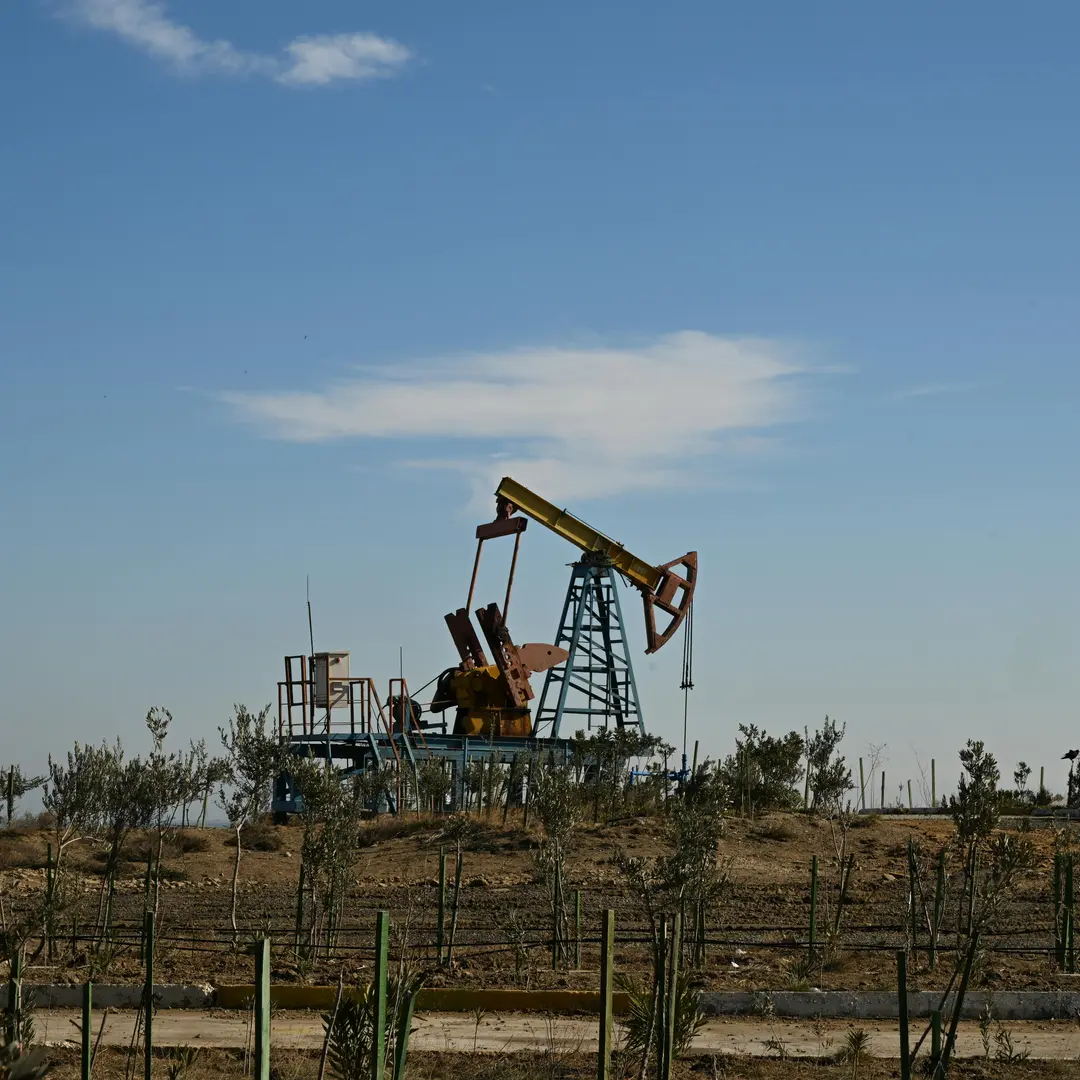
As the global energy transition takes shape, the states that built their wealth and based their foreign policy on fossil fuels will find themselves on uncertain ground. Inevitably, the energy transition will redraw the map of global power. The question is now how states most dependent on fossil fuels will adapt to this transition, and what the consequences will be if they fail to do so.
What is a Petrostate?
There is no universally agreed upon definition of a petrostate. However, there are four widely used ones. Widely accepted, the first definition defines a petrostate as a country whose political economy is structured by dependence on oil export revenues. Its institutions, fiscal policies, and priorities are shaped by petroleum rents [1]. Under this definition, the United States and Canada do not qualify as their economies are diversified, despite also being major producers of oil [2].
The second definition sees a petrostate as one where net oil export revenues exceed 10% of GDP [5]. However, this measure is volatile and can shift with global oil prices.
The third definition highlights three features: heavy reliance on oil revenues, concentration of power in an elite, and weak institutions prone to corruption [4].
The last one lists the top 40 countries in terms of oil and gas revenue as a share of their GDP, and defines them as petrostates [12].
What all four definitions share is the recognition that a petrostate is an entrenched political condition with specific characteristics. In each, the core problem is how dependence on oil rents changes the relationship between a state and its citizens. Oil’s centralised infrastructure concentrates power in the hands of elites. Rather than taxing citizens and remaining accountable to them, governments in petrostates, often closely linked to economic elites, rely on oil revenues. These revenues are then redistributed to the population in exchange for political compliance [1][6].
Is the Petrostate Model Collapsing?
The fiscal pressure on petrostates is real and growing. Carbon Tracker estimates, using the fourth definition, that 28 of 40 petrostates could lose more than half of their expected revenues under a moderate energy transition [5]. Over 400 million people live in 19 of these countries, meaning that a loss in revenue will have a real and damaging effect, likely manifesting as cuts to public services, rising unemployment, and erosion of the social contracts that petrostate governments have historically used to maintain political legitimacy [5].
However, collapse of the petrostate model is not imminent. The IEA projects that global oil demand will plateau at around 106 million barrels per day by the end of the decade, accounting for the ongoing demand of emerging Asian economies and other developing countries [6]. Research also shows that higher oil prices are associated with fewer conflicts between petrostates, suggesting that declining revenues may increase tensions in the short term [7]. The survival of these states will depend on reserves, diversification, institutional strength, and international support.
From Petrostates to Electrostates?
A widely discussed alternative is the electrostate: a country that derives geopolitical leverage from leadership in renewable energy and clean technology. The potential advantages are significant for the environment, the survival of democracy, and societies as a whole. A large majority (92%) of countries already possess renewable potential exceeding ten times their current energy demand, meaning that almost any country could produce its own energy [9]. Ember’s 2025 Electrotech Revolution identifies China as the world’s first electrostate, a country that dominates the manufacture of solar panels and batteries and holds a structurally dominant position in shaping how the world’s future energy system develops [9].
However, the electrostate model also carries risks of its own. The European Union faces structural reliance on Chinese batteries, critical minerals, and fuel cells [10]. Moreover, meeting the growing demand for batteries for the energy transition would require the construction of 293 new mines by 2030, according to analysis by Benchmark Mineral Intelligence [12]. If the energy transition replicates centralised, privately controlled infrastructure, the emerging electrostate risks reproducing the core political pathologies of the petrostate era under a green label. Rent-seeking behaviour, regulatory capture, and monopolistic control over critical minerals, battery supply chains, and grid infrastructure would concentrate structural power in a narrow set of corporate actors, perpetuating energy insecurity and economic deficits, rather than enabling a democratised energy order [13]. A genuine transition requires not just different fuels, but different ownership structures that distribute power rather than concentrate it.
Looking Ahead: The Next Energy Order
The petrostate model will not disappear as quickly as some hope. Its decline will be uneven, contested, and potentially destabilising. The shift away from fossil fuels will also be a shift in power, as influence moves from oil and gas to electricity, clean technologies, and the systems that support them. Whether the emerging energy order will be more stable, distributed, and just depends in large part on whether multilateral institutions can shape the transition before market actors do. The First Conference on Transitioning Away from Fossil Fuels, held in Santa Marta, Colombia, in April 2026, with 57 countries participating, signals that political will is consolidating around this challenge, even though the harder work of translating that commitment into structural change in ownership, governance, and investment remains an open question.