

The CO2 Fertilisation Effect: What is it?
CO2 fertilisation effect refers to an increase in the photosynthesis process under heightened atmospheric CO2 ...

Remote Working: Better for the Environment? – Part 3
Working from home can reduce an individual’s overall greenhouse gas emissions and may carry other advantages ...

Remote Working: Better for the Environment? – Part 2
This is the second in a three-part series on whether remote working is better for the environment than ...

Remote Working: Better for the Environment? – Part 1
Remote working can have a positive impact on the environment through reducing transport-related emissions. ...

Introduction to the EU Organic Regulation and its Logo
Organic food production and consumption have skyrocketed in Europe.
The EU organic regulation was created in ...

The Role of Peatlands for the Climate
Peatlands, though only covering around 3% of the world’s landmass, are crucial for Earth’s climate. ...
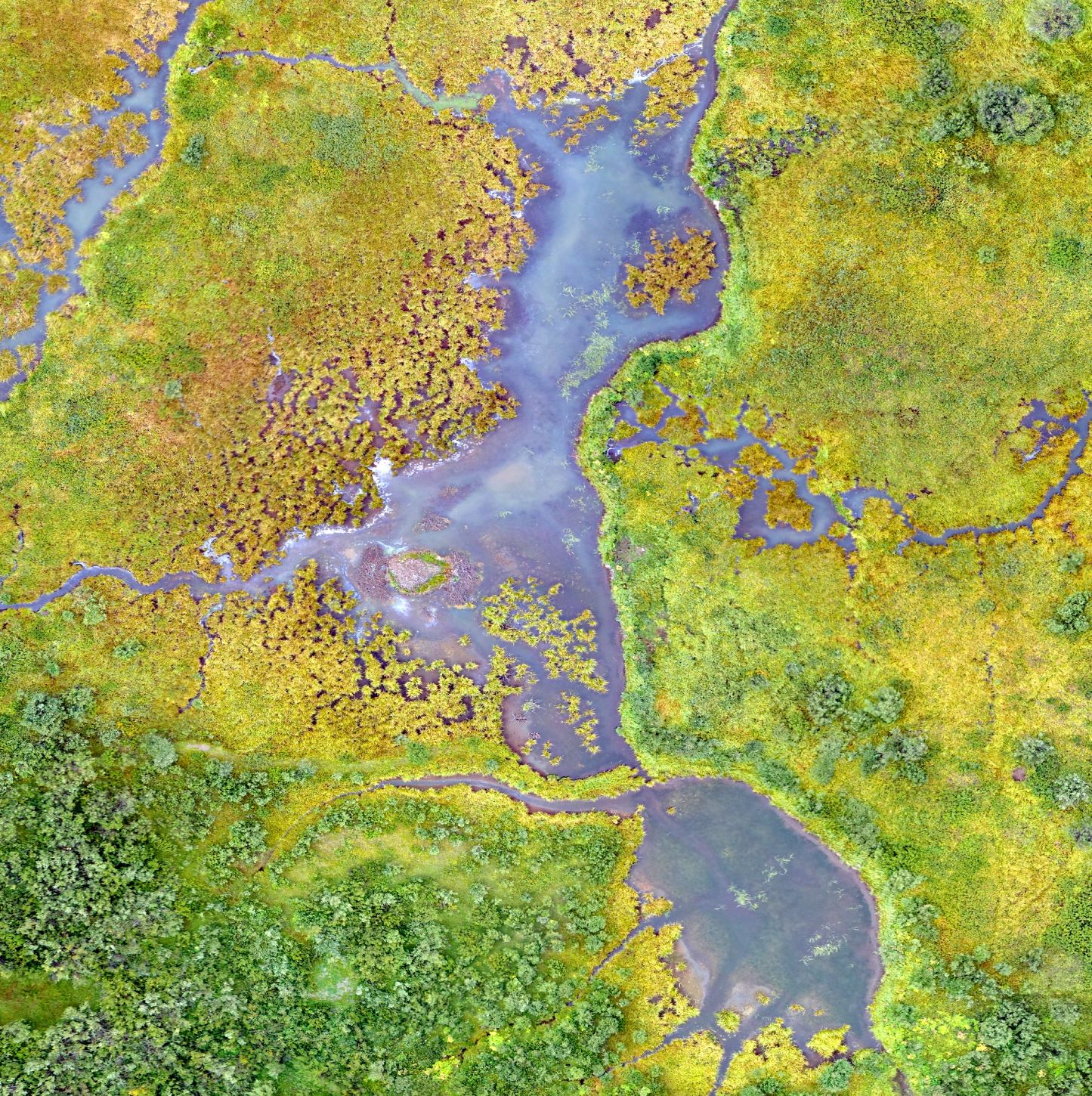
What You Need to Know About the RAMSAR Convention
The purpose of the RAMSAR convention is to protect wetland habitats such as coral reefs, marshes, swamps, ...
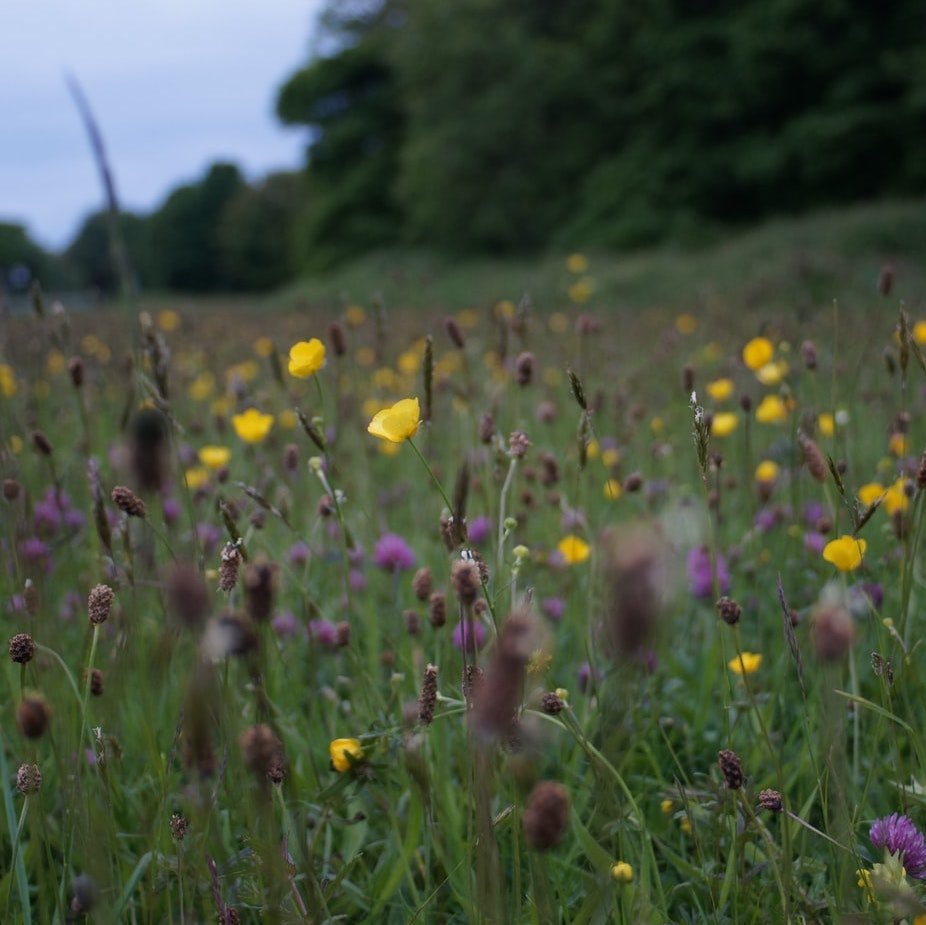
Silent Spring and Modern Environmentalism: The Other Road
In Part 1, we explored the context and content of Silent Spring, investigating the relevance of the post-war ...

Silent Spring and Modern Environmentalism: A Fable for Tomorrow
Published in 1962, Rachel Carson’s Silent Spring is credited as being one of the first books that took the ...

The Pathways To A Low-Carbon Future: Transport
Transportation often gets identified as a major vector for emissions, and is therefore the target of innovation.
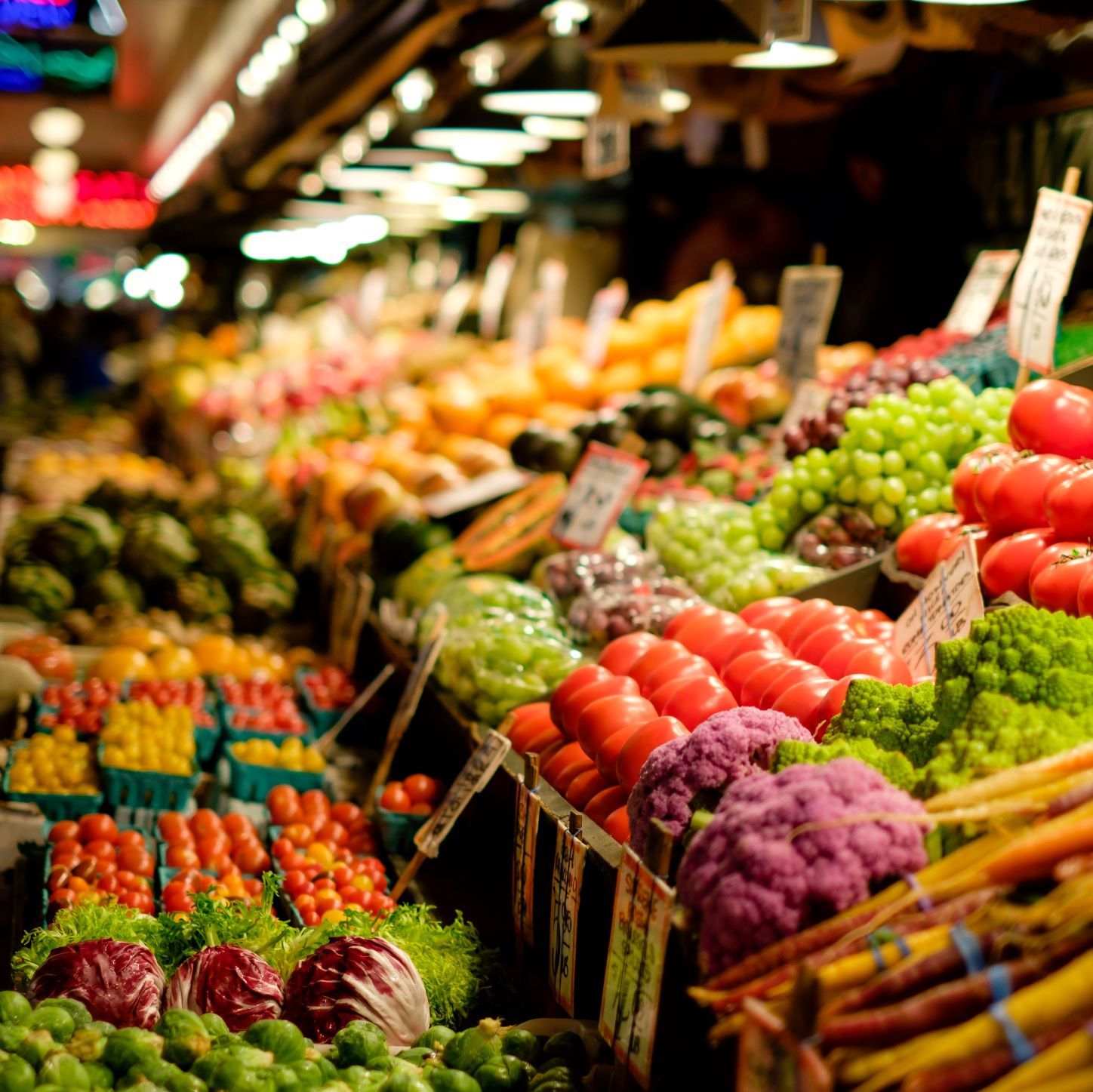
Food Miles: How Much Should We Care About Food Transport?
This article addresses the concept of food miles, and how much we should care about them.

The Impact of Livestock Farming on Zoonotic Diseases
Zoonotic diseases are diseases that transmit from wildlife (animals and livestock) to humans, causing the same ...
No results found.