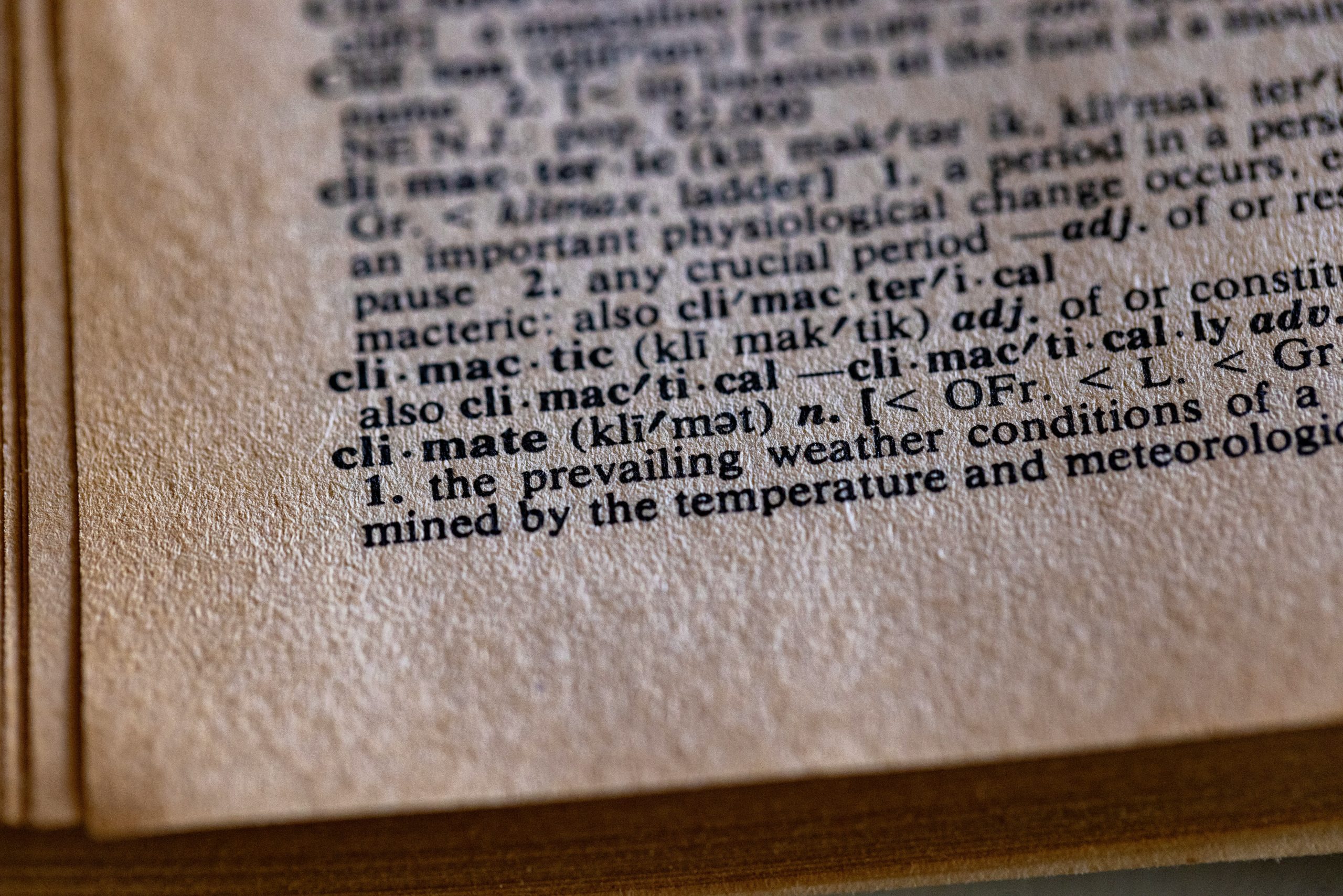
Climate literacy is vital in the global fight against the climate crisis [1]. It enables individuals to understand Earth’s climate system, recognize our influence on it, evaluate scientific information, and make informed decisions amid ecological upheaval [1, 2]. By fostering critical thinking and enabling people to discern truth from falsehoods, it is also a key defense against climate disinformation [2, 3].
Why climate literacy matters
Earth’s surface temperature rose by 0.6°C during the 20th century and by a further 0.14°C since 2000 — a rate of warming unseen in 10,000 years — driven primarily by human activities. Projections show that temperatures will continue to rise throughout the 21st century, accompanied by sea level rise, heat waves, droughts, and floods that threaten economies, health, security, and ecosystems [1, 5].
Climate literacy empowers citizens to respond effectively to this crisis. Recent 2025 temperature records and Europe’s scorching summers underscore the urgency of improving climate literacy. Greater literacy could increase support for Nationally Determined Contributions (NDCs), loss and damage funds, and just transitions. For young people and policymakers alike, climate literacy allows us translate data into action: students who understand IPCC scenarios may feel more compelled to join school strikes, while policymakers can use this knowledge to craft more equitable NDCs that respect indigenous rights and better align with the Sustainable Development Goals (SDGs).
Knowledge dimensions and systems thinking
Climate literacy spans the physical dimension, social dimension, and indigenous and local knowledge. The physical dimension cultivates competencies such as assessing climate model uncertainties, interpreting paleoclimate proxies (ice cores, tree rings), and understanding feedback loops (Arctic ice melt accelerating warming) in order to grasp the intricate interconnections within Earth’s climate system. The social dimension emphasizes environmental justice and the disproportionate impact climate change has on low-income communities and small island nations, while also promoting green career pathways in renewables and community adaptation planning. Indigenous and local knowledge recognises that traditional ecological knowledge accumulated over generations offers irreplaceable insights into landscape changes, seasonal shifts, and community-based adaptation strategies. The European Environment Agency (EEA) calls for integrating all three of these dimensions in order to achieve a truly just transition [6].
Climate literacy as a shield against disinformation
By teaching source verification techniques and consensus recognition (97% of climate scientists affirm human causation), climate literacy helps counter climate disinformation [7]. Tools such as fact-checkers debunk myths (e.g., “natural cycles alone”), enabling the public to amplify facts and erode denial echo chambers [4]. At the policymaking level, where greenwashing and false narratives flood policy debates, climate literacy sharpens scrutiny of claims. This is key for policymakers to recognize and counter fossil fuel lobby tactics.
Key promoters and climate literacy initiatives
Governments, NGOs, educators, and UN institutions all promote climate literacy through various frameworks, courses, and public resources [8].
The OECD embeds climate literacy in its Programme for International Student Assessment (PISA) 2029, crafting a learning framework with test items across domains to standardize metrics, pinpoint gaps, and reform curricula, identifying how education systems prepare students and empowering youth for climate action and global collaboration [2].
Boost your climate literacy
Climate literacy is an ongoing, dynamic process that no individual masters in full. It requires a systems-thinking approach, and can be enhanced through structured steps and resources.
The UNESCO course Navigating Climate Information with Media and Information Literacy helps young people unpack complex climate concepts and debunk misinformation, while also exploring emerging topics such as AI’s carbon footprint and eco-anxiety [9].
The UN CC:e-Learn platform offers free, self-paced e-learning courses on climate change, sustainable development, and green economy topics, providing certificates upon completion to build practical skills for policymakers, educators, and professionals working on the climate crisis [10].
If you’ve read this article, then you’ve already found your way to ClimaTalk. As an organisation, we remain committed to making climate policy and action more accessible. Please don’t hesitate to reach out or make use of our free and well-researched resources. We have more than 500 articles on our website aimed at increasing climate literacy.