
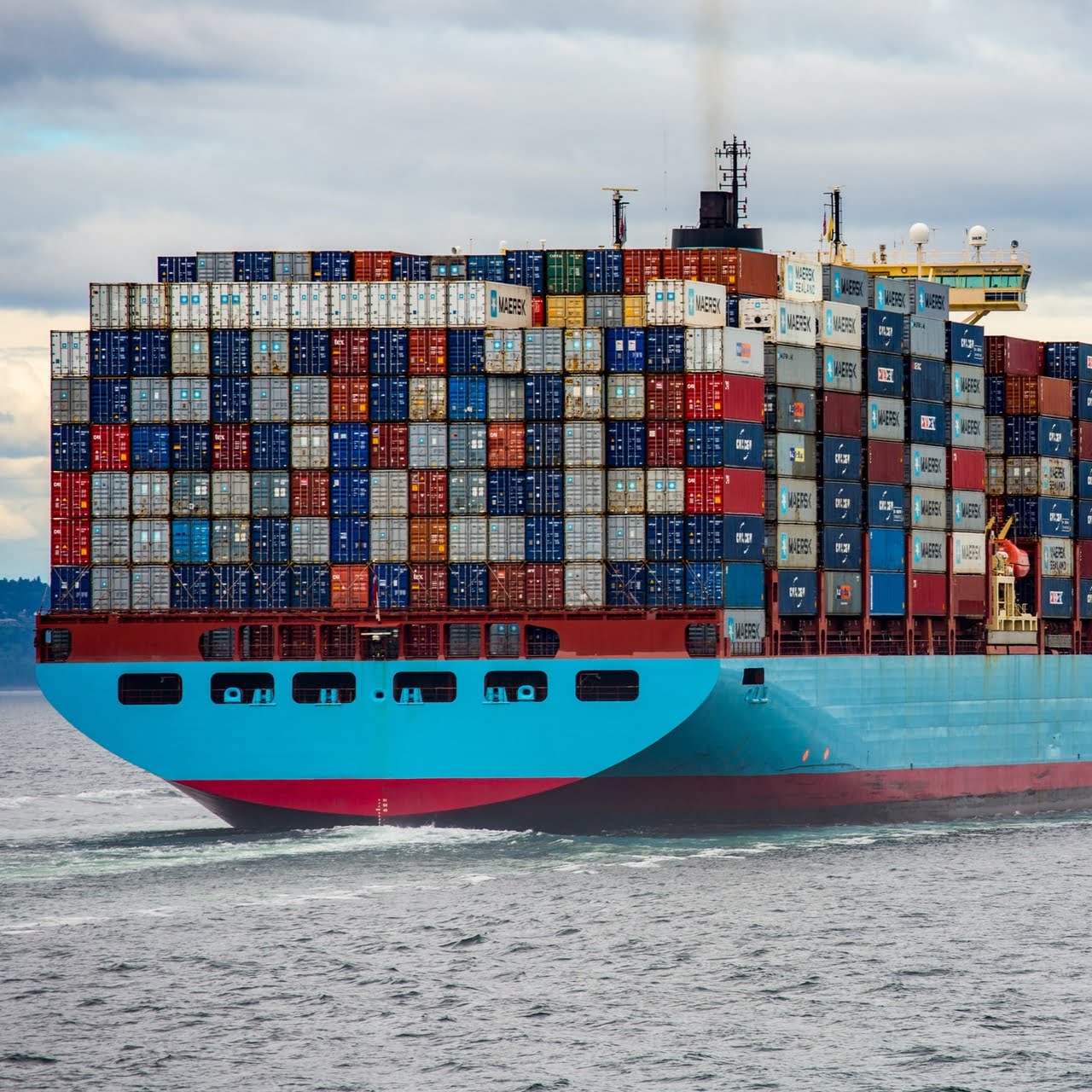
Emissions From Maritime Transport
Emissions from the sectors so far covered by the EU ETS account for 41% of the EU’s total emissions, thus these sectors are fundamental to meet the EU’s climate ambitions. However, to achieve the goal of a reduction of at least 55% compared to 1990 levels, it is necessary to extend its application to sectors currently falling outside the EU ETS [4]. After expanding the EU ETS to the aviation sector back in 2012, the European Commission now proposed to also include the maritime transport sector. With emissions from the maritime transport sector expected to increase between 50% and 250% in 2050, in a business-as-usual scenario, further measures are essential if the EU wants to meet its 2030 target [5]. Existing measures at both the international and EU level are unable to properly decarbonize the maritime sector [6].
At the EU level, Regulation (EU) 2015/757 applies since 2018 and covers the monitoring, reporting, and verification of CO2 emissions from ships above 5000 gross tonnage traveling to or from ports located within the EEA [7]. At the international level, the regulatory framework on energy efficiency of new and existing ships, as well as the International Maritime Organization’s proposed Initial Strategy on Reduction of Greenhouse Gas Emissions from Ships appear inadequate to meet the climate objectives on international shipping [8].
With the Fit for 55 Package, extension of the EU ETS to the maritime transport sector is ensured through amendments made to the definition of “emission” in Article 3(b). Moreover, Chapter II would apply to both aviation and maritime transport and Annex I would include maritime transport as a new activity [10]. The emissions covered would be those produced by intra-Union voyages, 50% of the emissions from extra-EU trips (i.e. from and to third countries) and emissions from ships anchored in an EU port [11]. The rules laid out in Article 16 (e.g. auctioning, transfer, surrender, and cancellation) with respect to other sectors equally apply to the sector of maritime transport. From 2023 to 2025, a gradual phase-in would apply to the obligation to surrender allowances (20% of verified emissions for 2023; 45% for 2024; 70% for 2025). From 2026 onwards, companies in the maritime sector would have to surrender 100% of their verified emissions [12]. Lastly, decarbonization of the maritime transport sector is also ensured through a proposed enhanced target of 61% emissions reductions in sectors covered under the EU ETS vis-à-vis 2005 levels [9].
Emissions From Fuels Used In Road Transport And Buildings
The building sector causes 36% of the EU’s energy-related direct and indirect GHG emissions, while the road transport sector produces a fifth of the EU’s overall GHGs [13]. The European Commission thus proposed to extend emissions trading to these sectors as well, however, at least for the time being, under a separate ETS [14]. Up until now, emissions from these sectors are covered by Regulation (EU) 2018/842 (‘Effort Sharing Regulation’ (ESR)), thus consistency between the new EU ETS and the ESR must be ensured [15]. The proposed new ETS will apply to the emissions in these sectors coming from fossil fuel combustion [16].
Importantly, pricing carbon in the road transport and buildings sectors leads to distributional and social effects, which the Commission aims to address [17]. Throughout the consultations with different stakeholders, including multiple representatives of employers and employees, as well as organizations such as the European Consumer Organization and the European Environmental Bureau, expressed their concerns regarding the proposal [18]. To support the transition and tackle energy poverty (especially in lower-income households), the Commission proposed that 25% of the revenues raised through emissions trading should go into a new Social Climate Fund [19]. The latter provides EU Member States with the necessary funding to support the transition and to address the regressive effects of carbon pricing, in particular by aiding vulnerable households, micro-enterprises, and transport users [20]. Additionally, to prevent future supply-demand imbalances and price volatility, a Market Stability Reverse (‘MSR’) will apply to the new sectors. Measures are adopted to enable the release of allowances from the MSR, if there is an increase in the average allowance price [21].
All in all, important steps are currently being taken by the European Commission to decarbonize all sectors of its economy. These include fundamental changes in the maritime transport sector, building and road transport sectors. This would enable the EU to deliver on its goal of at least 55% reduction by 2030 and ultimately reach carbon neutrality by 2050.