
Energy efficiency
12.5 billion USD is allocated for improvements in home energy efficiency and for appliance electrification rebates. About 30% of GHG pollution in the US comes from buildings [3].
- 360 million USD is provided to states for training courses for workers to install home energy efficiency retrofits.
- 5.89 billion USD is provided for Home Owner Managing Energy Savings (HOMES) Rebate Programs. If people install certain home energy efficiency retrofit measures, they can receive 2,000 / 4,000 USD for at least 20% / 35% modeled energy savings or 50% (80% in case of low- and moderate income households) of the project’s costs (whichever is the lowest) or for measured energy savings, a payment per kilowatt hour saved.
- 6.25 billion USD for the high-efficiency electric home rebate program. 3.8 billion dollars of this amount is destined for Tribal communities or for low- or moderate-income households. People receive funding for installing — for example — heat pumps or electric stoves. The maximum total amount is 10,000 USD or 50% of the total cost (whichever is the lowest). The installer also gets a benefit of 100 USD with a maximum of 500 USD. The maximum amounts are higher for low- and moderate income households and multifamily buildings [2].
Additionally, funding is provided to states to improve the energy resilience of public or nonprofit buildings (500 million USD) and to assist States to adopt better or even zero energy building energy codes (300 million USD) [2]. Secondly, various tax credits encouraging energy efficiency are extended (see pages 1434 to 1474 of [2]).
Fossil fuels
The BBBA provides stronger protection of natural areas from fossil fuel development. The Arctic National Wildlife Refuge Oil and Gas Program is repealed. In the House version, the leasing for the exploration, development, or production of oil or natural gas in certain areas in the Eastern Gulf, the Atlantic and Pacific coasts would no longer be allowed [2]. However, the Senate version is reported to have dropped that provision due to concerns of Senator Manchin [4].
The BBBA would also make fossil fuel development more expensive. It proposes to increase minimum royalty rates onshore and introduce a minimum royalty rate for offshore [5]. Royalties have to be paid to the federal government by companies who want to drill on federal land. How much depends on the amount extracted and the current value of oil / gas at the time of extraction [6]. Presidential administrations could increase these even more. Secondly, bonding minimums, required of industry to cover the cost of decommissioning oil and gas infrastructure, would also be increased [5, 7].
A report from the US Geological Survey reported that emissions from fossil fuels produced on federal lands accounted for 24% of CO2, 7% of CH4 and 1.5% of N2O emissions between 2005-2014 [8].
Renewable energy
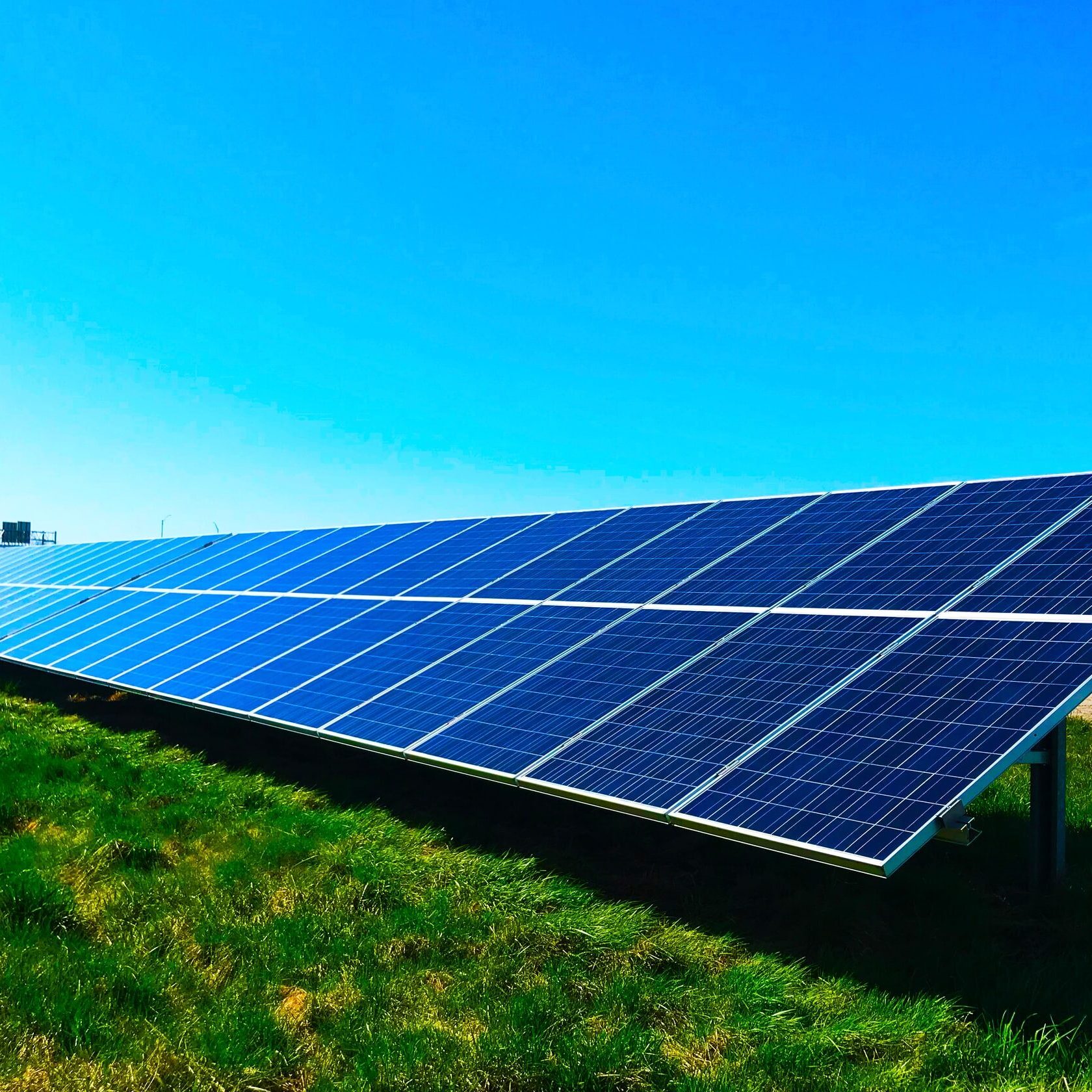
Renewable energy is mostly encouraged through tax credits. The tax credit for electricity produced from certain renewable sources (known as section 45) is extended. The energy credit (known as section 48) is also extended and increased for solar facilities connected to low-income communities. The credits are also increased if the facility is built in energy communities (areas where a coal mine / plant closed after a certain year). New are the clean electricity production / investment credits and the tax credit for electric transmission property [2, 9]. To all of the above, the domestic bonus credit applies, meaning a higher tax credit if the steel, iron, or manufactured product which is a component of the facility, was produced in the US [2]. New are also the advanced manufacturing investment credit (for semiconductors and equipment) and the advanced manufacturing production credit (for wind and solar material) [9].
Other measures include:
- 87 million USD for The Low Emissions Electricity Program established under the Clean Air Act. This entails education and technical assistance for consumers, low-income and disadvantaged communities, industry and state and local governments, including through partnerships, to reduce GHG emissions from domestic electricity generation and use.
- 2 billion USD (75% grants, 25% loans) for the construction of new, or upgrading of existing transmission lines or interties, including the related facilities to create a more robust and resilient electric grid and enhance the integration of clean electricity into the electric grid.
- 800 million USD to facilitate the siting of interstate electricity transmission lines.
- 100 million USD to address the development of interregional electricity transmission and transmission of electricity that is generated by offshore wind.
- A provision on offshore wind stating that “the Secretary of the Interior shall grant leases, easements, and rights-of-way, to produce or support production, transportation, or transmission of electricity from renewable energy facilities” on the Outer Continental Shelf and territories [2].
Lastly, the Department of Energy (DoE) can make loan guarantees for projects that “avoid, reduce, or sequester air pollutants or anthropogenic emissions of greenhouse gases”. They also have to use new or significantly improved technologies [10]. The BBBA authorizes the DoE to commit up to 40 billion USD for such projects [2]. Section 1703 of The Energy Policy Act distinguishes ten categories of eligible projects including renewable energy systems, efficient electrical generation, transmission, and distribution technologies and efficient end-use energy technologies [11].
Conclusion
The BBBA invests billions in energy efficiency. It also includes some positive developments regarding fossil fuels. When it comes to renewables, it choses incentives over regulation. All these measures are required and more to achieve Biden’s ambitious goal of 100% carbon pollution-free electricity by 2030 [12].


